With energy efficiency becoming a global priority, many buildings are seeking cooling systems that reduce energy costs and balance power demand. Ice storage chiller systems have gained widespread attention because they can effectively shift electricity consumption from peak to off-peak periods.
But how can an ice storage chiller system be properly applied in a 1,000㎡ cooling area? The answer lies in accurate load calculation, proper system selection, and an optimized operating strategy.
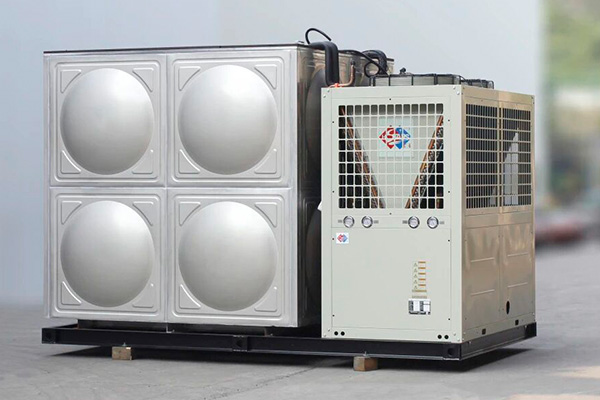
Understanding the Working Principle of Ice Storage Chillers
Ice storage chillers operate based on the latent heat of phase change in ice.During off-peak electricity hours at night, the chiller produces ice and stores cooling energy. During the daytime peak hours, the stored ice melts and releases cooling capacity to meet the building’s air-conditioning demand.
This approach provides several advantages:
• Reduces electricity costs by using lower off-peak tariffs
• Decreases peak-time load on the power grid
• Improves energy efficiency of the cooling system
As a result, ice storage systems are widely used in commercial buildings, offices, shopping centers, and industrial facilities.
Step 1: Calculate the Cooling Load for a 1000㎡ Area
Accurate cooling load calculation is the first step when designing an ice storage system.Cooling load indicators vary depending on building type:
• Office buildings: approximately 100–120 W/㎡
• Commercial buildings: approximately 150–200 W/㎡ due to higher occupancy, lighting, and equipment heat
For a 1,000㎡ office building, the estimated cooling load is:
100 kW – 120 kW
However, the actual load should also consider:
• Building orientation and solar exposure
• Insulation performance of the building envelope
• Internal heat from equipment and occupants
• Local climate conditions
Accurate calculations ensure that the chiller capacity and ice storage volume are properly matched.
Step 2: Select the Appropriate Ice Storage Chiller System
Once the cooling load is determined, the next step is equipment selection.For example, if the required cooling load is 100 kW, it is recommended to select a system with slightly higher capacity to provide an operational margin.
The ice storage unit capacity must also be designed to cover daytime peak cooling demand.
Common types of ice storage systems include:
Ice Coil Storage
• Faster ice melting rate
• Suitable for applications requiring large cooling output within a short time
Ice Ball Storage
• Higher storage density
• Smaller installation footprint
The final choice should consider:
• Available installation space
• Cooling demand profile
• Project budget and operational requirements
Step 3: Develop an Effective Operating Strategy
The operational strategy significantly affects system efficiency and cost savings.Two common strategies include:
Full Ice Storage
All cooling energy is generated and stored during the night, then used during the day.
Best suited for:
• Areas with very high daytime electricity prices
• Facilities with short daytime cooling periods
Partial Ice Storage
The chiller operates during the day while the stored ice assists with cooling.
Benefits include:
• Greater flexibility
• Ability to adjust based on electricity prices and real-time cooling demand
For example:
• During peak electricity hours → increase ice melting to provide cooling
• During off-peak hours → prioritize ice production
This hybrid strategy is commonly used in medium-sized commercial buildings.
Step 4: Ensure Proper Installation and Maintenance
Correct installation and regular maintenance are essential for long-term performance.Installation considerations include:
• Proper piping connections
• Safe electrical wiring
• Compliance with HVAC installation standards
Routine maintenance should include:
• Monitoring refrigeration pressure and temperature
• Inspecting ice storage tanks for leaks
• Cleaning system filters regularly
• Checking pumps and valves
These measures help ensure stable operation and maximum energy efficiency.
Conclusion
For a 1,000㎡ cooling area, an ice storage chiller system can provide an energy-efficient and cost-effective cooling solution. By combining:• Accurate cooling load calculations
• Proper equipment selection
• Optimized operating strategies
• Professional installation and maintenance
building owners can achieve lower operating costs, reduced peak electricity demand, and reliable cooling performance.
As energy prices continue to rise, ice storage technology offers a smart and sustainable cooling solution for modern buildings.