头部背景图片

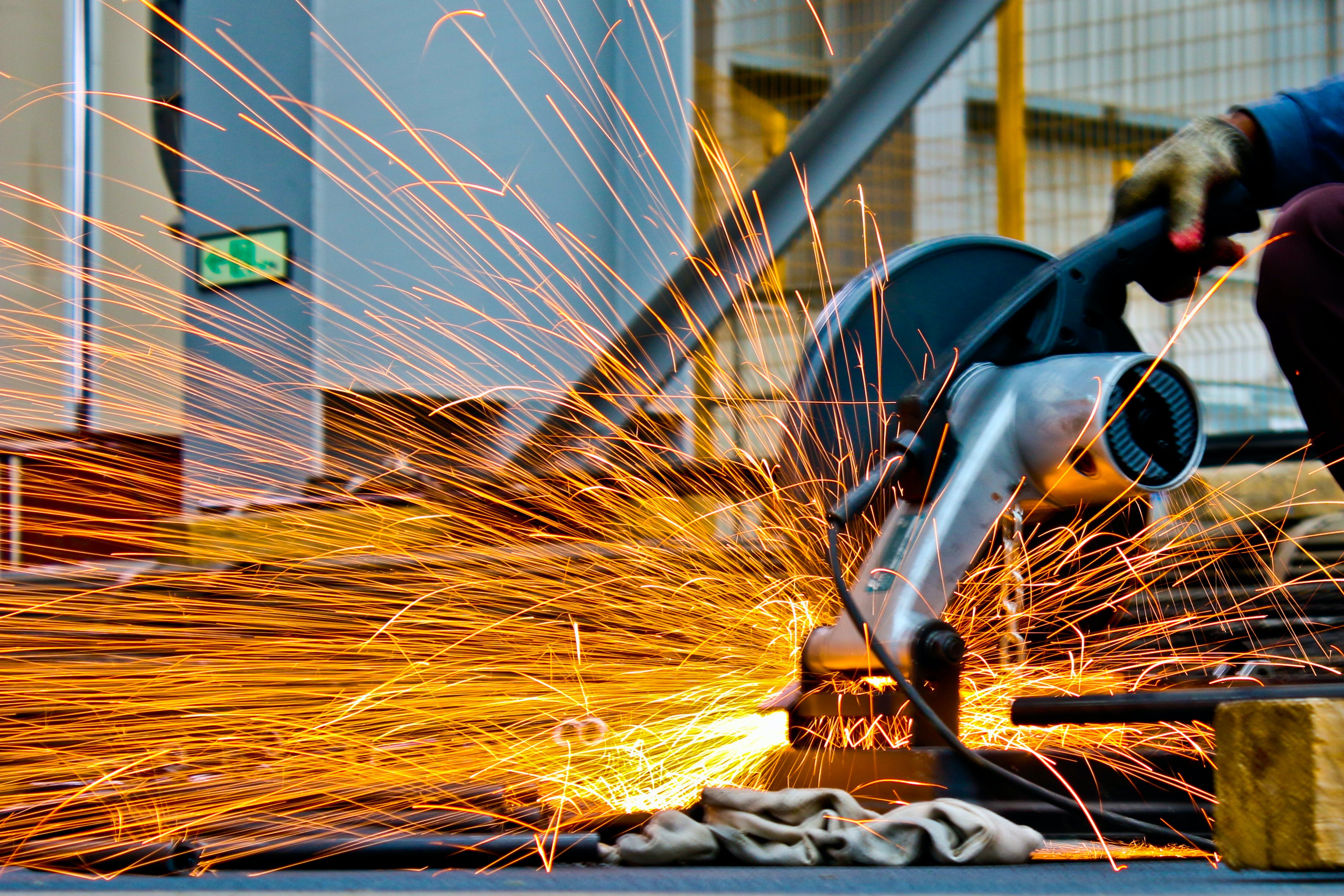
A Guide to Choosing A Suitable Tiger Shear

2025-08-08

Selecting a suitable tiger shear is crucial for efficient metal recycling and processing. Here are some key factors to consider.


Clarify Your Needs

First, assess the type of materials you'll be shearing. Is it thin - gauge steel, thick metal plates, or various metal alloys? For instance, if you often deal with thick industrial - grade steel, you'll need a shear with high - tonnage capacity. Additionally, consider the volume of work. High - volume operations require a shear that can handle continuous use without frequent breakdowns.


Shearing Capacity

Tiger shears come in different tonnage ratings. The tonnage indicates the maximum force the shear can exert. To determine the right capacity, measure the thickness and hardness of the materials you'll be cutting. A general rule is that harder and thicker materials demand a higher - tonnage shear.


Blade Quality

The blades are the heart of the tiger shear. For regular use with common metals, high - carbon steel blades can be sufficient. However, if you're working with special alloys or very hard metals, invest in blades made of more durable materials, such as alloy steel or even imported blades, which can resist wear and maintain sharpness longer.


Optional Features

Some shears offer features like adjustable shear angles, which can be useful when you need to cut materials at specific angles. Others may have automated feeding systems, reducing labor and improving productivity. Consider whether these features align with your workflow and budget.

By carefully evaluating these aspects, you can choose a tiger shear that meets your needs, boosts productivity, and ensures long - term cost - effectiveness in your metal - processing operations.

Textile dyeing fastness testing methods and their importance

2025-08-08

1. Basic Concepts of Color Fastness in Textiles


Color fastness, in simple terms, refers to the ability of textiles to maintain their color stability during use. It encompasses multiple aspects, including resistance to washing, friction, light, sweat, sweat stains, and sunlight exposure. Different color fastness indicators represent how textiles perform under various environmental conditions. For example, washing fastness refers to the degree of color change after repeated washing of garments; while lightfastness reflects the degree of color fading under sunlight.

The quality of colorfastness directly impacts the product's lifespan and aesthetic quality. If colorfastness is insufficient, issues such as color bleeding, discoloration, or fading may arise, which not only affect appearance but may also lead to customer dissatisfaction or returns. Conducting scientific and standardized colorfastness testing has become a standard practice within the industry.


2. The Process and Standards for Color Fastness Testing


Color fastness testing typically follows national or industry-established standards to ensure the scientific rigor and comparability of the testing process. The general process consists of four main steps: sample preparation, setting test conditions, actual testing, and evaluation of results.


(1) Sample Preparation: Representative samples are selected from a batch to ensure that test results reflect overall product quality. Samples should be cut and marked according to specifications to avoid contamination or damage.

(2) Test Condition Setup: Appropriate standards and methods are selected based on the test requirements. For example, water resistance testing may follow the washing procedures specified in national standards, while lightfastness testing uses specific light sources and exposure times.

(3) Actual Testing: Conduct tests on samples in a strictly controlled laboratory environment following standard procedures. For example, simulate real-life conditions such as washing, friction, and exposure to sunlight, and observe changes in sample color.

(4) Result Evaluation: Use professional color difference meters or visual comparison for assessment. Colorfastness grades are assigned according to standard classifications, where “Grade 1” indicates excellent colorfastness and “Grade 5” indicates poor colorfastness.


3. The Importance of Color Fastness Testing for Textiles


(1) Textiles with poor color fastness often experience dye shedding, and some low-quality dyes may enter the human body through skin contact or the respiratory tract, causing allergies, inflammation, or even long-term health risks. Testing can indirectly screen out products where dyes are firmly bonded to fibers, reducing the risk of harmful substance release.

(2) Colorfastness testing can precisely identify issues in production, such as improper dye selection during dyeing or incorrect fixation process parameters (e.g., poor temperature or pH control). Companies can adjust their processes based on test results to improve product stability and reduce batch defect rates.

(3) Outdoor clothing requires lightfastness, medical textiles require disinfectant resistance, and sportswear requires sweat-light composite colorfastness. These specialized testing requirements drive companies to develop targeted dyeing technologies, thereby enhancing product value and market competitiveness.

Textile colorfastness testing not only ensures basic quality and safety but also promotes industry upgrading and trade facilitation. Its importance spans the entire lifecycle of a product, from production to consumption, making it a crucial pillar for the high-quality development of the textile industry.

Email: hello@utstesters.com

Direct: + 86 152 6060 5085

Tel: +86-596-7686689

Web: www.utstesters.com

What Can a Universal Strength Tester Measure and Why Is It Essential for Lab Use?

2025-08-08

Do you know what a tensile testing machine is? Let's uncover its mysteries together.


1. What is a tensile testing machine?

A tensile testing machine, also known as a universal testing machine, is like a doctor that gives materials a comprehensive “checkup.” It is mainly used to measure the mechanical properties of various materials, such as plastics, metals, rubber, and textiles. By applying forces such as tensile, compressive, bending, shear, peel, and tear forces to these materials, it can precisely measure important performance indicators such as strength, toughness, and elastic modulus.


In terms of working principle, a tensile testing machine primarily relies on Hooke’s Law and strain measurement principles. Hooke’s Law states that within the elastic range, the force applied to a material is directly proportional to the deformation it undergoes. The strain measurement principle involves calculating the material's various mechanical properties by measuring the minute deformation of the material under force. When a material sample is secured to the tensile testing machine and the force is gradually increased, the sensors on the machine precisely record the force applied to the material and the resulting deformation, thereby determining the material's performance parameters.

A tensile testing machine primarily consists of several key components. First is the drive system, which transmits the motor's power to the loading system. The loading system is responsible for applying force to the material and can precisely control the magnitude and direction of the force applied to the material according to different test requirements. The measurement system uses various sensors, such as force sensors and displacement sensors, to monitor the force applied to the material and the resulting deformation in real time. The control system can precisely control the entire testing process according to pre-set programs, ensuring the accuracy and reliability of the test results.


2I. Classification of Tensile Testing Machines

There are numerous types of tensile testing machines, which can be classified according to different standards.

Based on the level of automation, we can classify them into pointer-type tensile testing machines, digital display tensile testing machines, and computer system tensile testing machines.

Based on the type of control system, they can be categorized into variable frequency system tensile testing machines, servo system tensile testing machines, and other drive type tensile testing machines.

Based on industry and functional characteristics, they can be categorized into metal tensile testing machines, rubber tensile testing machines, plastic tensile testing machines, textile tensile testing machines, paper tensile testing machines, and leather tensile testing machines, among others.

Additionally, they can be categorized based on test materials, temperature, application, and degree of automation. For example, based on test materials, they can be divided into tensile testing machines with metal material fixtures and non-metal material fixtures; based on test temperature, they can be divided into tensile testing machines with room temperature, high-temperature, low-temperature, and high-low temperature fixtures; based on application, they can be divided into tensile fixtures, compression fixtures, bending fixtures, and other application-specific tensile testing machines; based on automation level, they can be divided into manual, pneumatic, electric, and hydraulic fixture tensile testing machines.


3. Application Areas of Tensile Testing Machines

Tensile testing machines have widespread applications across various fields.

In the industrial sector, industries such as manufacturing, metallurgy, petroleum, chemicals, and construction materials all rely on tensile testing machines.

For example, in mechanical manufacturing, tensile testing machines can be used to test the strength and toughness of various mechanical components, ensuring product quality and reliability. In the manufacturing industry, textile factories use tensile testing machines to test the elongation rate of fabrics, ensuring that finished garments do not deform easily when worn.

In the metallurgy industry, tensile testing machines can be used to test the performance of metallic materials such as steel, providing a basis for improving metallurgical processes.

In the petroleum and chemical industries, tensile testing machines can be used to test the material properties of various pipelines, containers, and other equipment, ensuring safe operation under harsh working conditions.

In the construction materials industry, tensile testing machines can be used to test the performance of construction materials such as cement, bricks, and steel, ensuring the quality of construction projects.

In the field of scientific research, tensile testing machines are indispensable tools. Researchers can use tensile testing machines to conduct performance tests and studies on various new materials, contributing to the development of materials science.

Tensile Strength Tester

Email: hello@utstesters.com

Direct: + 86 152 6060 5085

Tel: +86-596-7686689

Web: www.utstesters.com

GroTech Mineral Color Sorter Empowering Smart, Efficient Ore Processing

2025-08-08

In today’s fast-evolving mining industry,smart ore processing is key to boosting quality, reducing costs, and minimizing environmental impact. TheGroTech Mineral Color Sorter series is designed specifically for the challenges ofore sorting, offering high-precision, AI-powered solutions for a wide range of applications—from fine quartz sand to large magnesium ore, including innovative wet sorting options.

Whether you're processing powdered, granular, or blocky materials, GroTech delivers anext-generation mineral sorting experience built for efficiency, flexibility, and purity.

What Is a Mineral Color Sorter?

A mineral color sorter uses high-resolution cameras and AI algorithms to detect color differences, impurities, and texture inconsistencies in ore materials. Once detected, unwanted materials are automatically removed by high-speed ejector valves.

GroTech Mineral Color Sorters are built with industry-leading technologies, offering key advantages:

Ultra-HD Imaging: Detects tiny color variations (≥0.01 mm) with industrial-grade CCD cameras.

AI Deep Learning Algorithms: Automatically adjust to material variations for highly accurate sorting.

Fast and Stable Ejector Valves: Capable of over 30,000 ejections per second for maximum throughput.

Versatile Material Compatibility: Works across powders, grains, and large ore blocks without manual adjustment.

Quartz Sand Sorting: Precision in Fine Powder Ore Processing

In high-purity applications such asglass, electronics, and photovoltaics, quartz sand must be meticulously sorted. GroTech’s mineral color sorters offer outstanding performance forfine ore sorting and classification:

Multi-size Adaptability: Sorts quartz sand from10 mesh to 325 mesh with precision.

Impurity Removal: Eliminates iron impurities, yellow spots, dark particles, and other color-based defects.

Integrated Grading: Performs size grading and impurity rejection in one pass.

Moisture-Compatible: Effectively handles slightly wet or clumped sand with consistent accuracy.

PQD:Quartz Sand Sorting

Large Ore Sorting: Efficient Screening for Magnesium and Other Blocky Ores

Sorting large mineral blocks such asmagnesium ore, limestone, or fluorite presents unique challenges. GroTech provides a powerful solution designed forlarge ore particle sorting:

Widebelt Design: Supports ore sizes ranging from 20 mm to 150 mm.

Deep Defect Detection: High-intensity LED lighting and AI vision detect structural issues like layering or dark spots.

High Throughput, Low Waste: Processes large volumes with low false rejection rates

Robust Construction: Designed for rugged industrial environments, with easy maintenance access.


Wet Sorting Breakthrough: GroTech’s Innovative Water-Washable Mineral Color Sorter


Traditional color sorters struggle with wet or muddy materials. GroTech solves this with a game-changing innovation: thewater-washable mineral color sorter, designed forreal-time wet sorting in mineral washing environments

Simultaneous Washing and Sorting: Sorts materials in real-time while being washed.

Fully Waterproof and Corrosion-Resistant: Suitable for long-term operation in humid or wet environments.

Ideal for Clay, Kaolin, Sea Sand, and Washed Quartz: Ensures cleaner output with fewer processing steps.

Reduces Manual Handling: Saves labor and improves environmental compliance.

Preparation for spraying

2025-08-06

1. Surface treatment requirements of substrate

Before spraying, the surface treatment of the substrate is very important, which directly affects the adhesion and quality of the coating. Common surface treatment methods include:

Cleaning: The substrate surface must be clean without oil, dust, rust and other impurities. Impurities can be removed by chemical cleaning or mechanical cleaning (such as sandblasting, grinding). Oil and water will cause the powder coating to adhere firmly.

Rusting: Steel and other metal materials are prone to rust in the process of use. Before spraying, rust should be removed by sandblasting, acid washing or electrolysis to ensure that there is no rust and oxide on the surface.

Phosphating treatment: Phosphating treatment for steel, aluminum alloy and other materials can effectively improve the corrosion resistance of the substrate surface and enhance the adhesion of the coating. Phosphating film is a uniform and strong coating, which contributes to the stability of powder coating.

Preheating: For some materials, such as aluminum alloys, preheating treatment can improve the adhesion of the coating, especially when spraying in high humidity.


2. Control of spraying environment

The control of spraying environment has an important impact on coating quality and spraying effect. The main control factors include:

Temperature and humidity: The temperature and humidity of the spraying environment should be kept within a certain range. Usually, the temperature is between 18°C and 30°C, and the humidity is controlled below 50%. Too high humidity may lead to powder moisture absorption, which will affect the spraying effect, and even produce bubbles and cracks.

Air quality: The spraying area should be kept clean to avoid dust and impurities polluting the coating. The air should not contain too much moisture and oil and gas to avoid the coating peeling off or bubbles after spraying.

Ventilation: The spraying area should be kept in good ventilation, so as to discharge the dust in time during the spraying process and ensure the safety of construction personnel.


3.Selection and storage of spray powder

Correct selection of appropriate spray powder is the guarantee of spray quality. The selection of powder should be based on the following points:

Types of Powder Coatings: Electrostatic powder coatings come in various types, including polyester powder, epoxy powder, and acrylic powder. Different types are suitable for different application scenarios. For instance, polyester powder is ideal for outdoor product coating due to its excellent weather resistance, while epoxy powder excels in indoor applications thanks to superior corrosion resistance.

Particle size: The particle size of powder affects the spraying effect and the flow of powder. Generally speaking, the finer the particles, the more uniform the coating will be, but too small particles may cause splashing during the spraying process. Usually, the particle size of spraying powder is between 20-100 microns.

Color selection: Select the appropriate powder color according to your needs. Powder coatings are generally available in a variety of colors and effects, such as matte, gloss or metallic effects.

Storage requirements:

Dry storage: The sprayed powder should be stored in a dry, cool place, avoid moisture, otherwise the powder may absorb moisture, affecting the spraying effect.

Sealing storage: because the powder coating is easy to absorb moisture and occur lumping, it must be kept in good packaging, sealed storage, and avoid contact with air.

Validity: Each powder coating has a validity period, expired powder may affect the spraying quality, should be used as far as possible within the validity period.


  • #
     
  • #
     
  • #
     

Common problems in the next stage of coating process

Air-Cooled vs Water-Cooled vs Screw Chillers Industrial Cooling Guide 2024

2025-08-05

Industrial chillers are critical components in temperature control systems across manufacturing, plastics, food processing, and HVAC industries. Understanding the differences between air-cooled, water-cooled, and screw chillers helps businesses optimize operations and reduce costs. This guide explores each chiller type’s unique advantages and ideal use cases.


1. Air-Cooled Chillers

Key Applications:

  • Small-to-medium manufacturing facilities

  • Plastic injection molding machines

  • Printing and laser cutting equipment

  • Temporary cooling setups (construction sites/events)

  • Regions with water scarcity

Advantages:
✔️ Lower Installation Costs: No cooling tower or condenser water pumps required.
✔️ Space Efficiency: Compact design ideal for limited-space environments.
✔️ Water Conservation: Eliminates water consumption in the cooling process.
✔️ Easy Maintenance: Simplified upkeep with no water treatment needs.

Keywords: air-cooled chiller benefits, compact industrial chillers, water-saving cooling systems


2. Water-Cooled Chillers

Key Applications:

  • Large-scale industrial plants (chemical, pharmaceutical)

  • High-heat-load processes (metal plating, semiconductor manufacturing)

  • Centralized HVAC systems for skyscrapers

  • Data center cooling

Advantages:
✔️ Higher Energy Efficiency: 15-20% more efficient than air-cooled models under peak loads.
✔️ Quiet Operation: Condensers located away from production areas.
✔️ Longer Lifespan: Stable temperatures reduce component stress.
✔️ Scalability: Easily integrated into existing water-loop systems.

Keywords: energy-efficient water chillers, industrial process cooling, large-scale cooling solutions


3. Screw Chillers (Rotary Screw Chillers)

Key Applications:

  • Heavy industries (automotive, petrochemical)

  • District cooling systems

  • Food/beverage processing (fermentation, pasteurization)

  • Ice rinks and large commercial refrigeration

Advantages:
✔️ High Capacity: Handles 100-800+ tons of cooling load efficiently.
✔️ Variable Speed Control: Adapts to partial loads, reducing energy waste.
✔️ Durability: Robust design for 24/7 operations in harsh environments.
✔️ Low Vibration: Smooth operation minimizes noise and structural impact.

Keywords: screw chiller advantages, heavy-duty cooling systems, variable speed chillers


How to Choose the Right Industrial Chiller

Consider these factors when selecting equipment:

  • Cooling Capacity Requirements

  • Available Utilities (water access, power supply)

  • Space Constraints

  • Climate Conditions

  • Maintenance Resources

Pro Tip: Hybrid chiller systems combining air/water cooling are gaining popularity for balanced efficiency and sustainability.


Whether prioritizing energy savings (water-cooled), space optimization (air-cooled), or heavy-load performance (screw chillers), modern industrial chillers deliver tailored temperature control. Partner with experienced suppliers to conduct a site-specific heat load analysis and maximize ROI.

Looking for reliable industrial cooling solutions? [Your Company Name] offers customized chiller systems with 24/7 technical support. Contact us today for a free consultation.

  •  
  • Meta Description: "Compare industrial chiller types: discover air-cooled, water-cooled, and screw chillers' applications, benefits, and how to choose the best system for your facility."

  • Header Tags: Include variations of "industrial chillers", "cooling solutions", and specific chiller types.

Choosing the Right Industrial Chiller A Step-by-Step Guide

2025-08-05
In the dynamic landscape of industrial operations, the selection of an appropriate industrial chiller is a critical decision that can significantly impact the efficiency, productivity, and cost-effectiveness of your processes. With a diverse range of chiller types available, each offering unique features and capabilities, navigating the selection process can be challenging. This comprehensive guide will walk you through the essential steps to help you choose the right industrial chiller tailored to your specific requirements.

Step 1: Assess Your Cooling Requirements

The first and foremost step in choosing an industrial chiller is to accurately assess your cooling requirements. This involves determining the amount of heat that needs to be removed from your processes or equipment, as well as the temperature range and cooling capacity required to maintain optimal operating conditions. Consider factors such as the size and nature of your industrial facility, the number and type of processes or equipment that require cooling, and the ambient temperature and humidity levels in your location.


To calculate your cooling load, you can use a cooling load calculator or consult with a professional engineer. This will help you determine the size and capacity of the chiller needed to meet your cooling requirements. It's important to note that it's better to slightly oversize your chiller rather than undersize it, as an undersized chiller may struggle to maintain the desired temperature and could lead to equipment damage or reduced productivity.

Step 2: Evaluate Chiller Types

Once you have a clear understanding of your cooling requirements, the next step is to evaluate the different types of industrial chillers available. As discussed in our previous article, there are several types of chillers, including air-cooled chillers, water-cooled chillers, screw chillers, and shell and tube chillers, each with its own advantages and disadvantages.


Air-cooled chillers are a popular choice for small to medium-sized industrial facilities or for applications where access to a water source is limited. They are relatively easy to install and maintain, and they do not require a complex water cooling system. However, they are generally less energy-efficient than water-cooled chillers and can be noisy, particularly when operating at high capacities.


Water-cooled chillers, on the other hand, are designed for applications that require high cooling capacities and maximum energy efficiency. They use water as a cooling medium to transfer heat from the refrigerant to the environment, typically through a cooling tower or a closed-loop water system. Water-cooled chillers are more efficient than air-cooled chillers, but they require a more complex installation and maintenance setup, including a dedicated water supply and regular water treatment.


Screw chillers are known for their high efficiency, reliability, and ability to handle large cooling capacities. They utilize a screw compressor to compress the refrigerant and generate cooling, and they can adjust their capacity to match the cooling load requirements of the application. Screw chillers are relatively compact and operate quietly, making them suitable for a variety of industrial applications.


Shell and tube chillers are characterized by their high heat transfer efficiency and versatility. They consist of a cylindrical shell containing a bundle of tubes, and they can be used with a variety of refrigerants and cooling fluids. Shell and tube chillers are relatively easy to clean and maintain, but they can be more expensive than other types of chillers, particularly for smaller cooling capacities.


Consider your specific cooling requirements, installation constraints, budget, and maintenance preferences when evaluating chiller types. It may also be helpful to consult with a chiller manufacturer or supplier to get their expert advice and recommendations.

Step 3: Consider Energy Efficiency

Energy efficiency is an important consideration when choosing an industrial chiller, as it can have a significant impact on your operating costs over the long term. Look for chillers that are designed to be energy-efficient, with features such as variable speed drives, high-efficiency compressors, and advanced control systems. These features can help you reduce energy consumption and lower your utility bills.


You can also look for chillers that have been certified by energy efficiency organizations, such as the Energy Star program in the United States. Energy Star-certified chillers meet strict energy efficiency guidelines and can provide significant energy savings compared to non-certified models.

Step 4: Evaluate Maintenance Requirements

Regular maintenance is essential to ensure the optimal performance and longevity of your industrial chiller. When choosing a chiller, consider the maintenance requirements and costs associated with each type. Some chillers may require more frequent maintenance and servicing than others, and this can impact your operating costs and downtime.


Look for chillers that are designed to be easy to maintain, with features such as accessible components, modular designs, and self-diagnostic capabilities. These features can make it easier to perform routine maintenance tasks, such as lubricating the compressor, replacing the filters, and checking the refrigerant levels.


It's also important to consider the availability of spare parts and the quality of customer support provided by the chiller manufacturer or supplier. Choose a manufacturer or supplier that has a reputation for providing reliable products and excellent customer service, and that offers a comprehensive warranty and maintenance program.

Step 5: Compare Prices and Quotes

Once you have narrowed down your options to a few chiller models that meet your requirements, the next step is to compare prices and quotes from different manufacturers and suppliers. Be sure to compare the total cost of ownership, including the purchase price, installation costs, operating costs, and maintenance costs, rather than just the initial purchase price.


It's also important to consider the reputation and reliability of the manufacturer or supplier, as well as the quality of their products and services. Look for manufacturers and suppliers that have a proven track record of providing high-quality chillers and excellent customer support.


In conclusion, choosing the right industrial chiller requires careful consideration of your cooling requirements, chiller types, energy efficiency, maintenance requirements, and budget. By following these steps and doing your research, you can make an informed decision and select the chiller that best meets your needs and provides the most value for your investment. Remember to consult with a professional engineer or chiller manufacturer if you have any questions or need further assistance in the selection process.

Granules Vacuum Loader Propelling Injection Molding into the Era of Flexible, High-Purity Production

2025-08-05
As the global injection molding industry navigates evolving consumer demands, stringent quality standards, and the rise of niche applications, the granules vacuum loader has emerged as a linchpin for modern manufacturing. This versatile equipment not only streamlines material handling but also addresses critical challenges in precision, flexibility, and sustainability—positioning manufacturers to thrive in a post-COVID landscape defined by customization and rapid innovation.

Industry Shifts Redefining Material Handling Requirements

The injection molding sector, projected to reach $520 billion by 2028 with a CAGR of 4.5%, is driven by three transformative trends that demand advanced material handling solutions:


  1. Mass Customization and Small-Batch Production
    The rise of e-commerce and personalized products (e.g., automotive interior components, medical device housings) requires machines that adapt to frequent material changes. Vacuum loaders with quick-release hoppers and anti-cross contamination designs (e.g., 316L stainless steel contact surfaces) enable seamless switching between polymers like ABS, PC, and recycled PET, reducing changeover time by 30%.
  2. High-Purity Requirements for Critical Applications
    In industries such as healthcare and electronics, even microamount contamination can render products defective. Vacuum loaders equipped with 0.1-micron filters and anti-static conveying hoses ensure materials like PEEK (for surgical implants) and LCP (for 5G connectors) remain free of particulates or moisture, meeting ISO 13485 (medical) and IPC-A-610 (electronics) standards.
  3. Energy Efficiency and Carbon Neutral Goals
    With energy costs accounting for 25% of manufacturing expenses, loaders integrated with regenerative drive systems (reducing energy use by 40%) and variable frequency drives (VFD) are becoming essential. For example, JUBAO’s energy-saving models achieve a COP of 5.5, surpassing EU ErP 2025 regulations.

Innovations: How Modern Vacuum Loaders Solve Industry Pain Points

Leading manufacturers are delivering solutions that blend cutting-edge technology with practical functionality:

1. Smart Integration for Real-Time Control

  • IoT-Enabled Monitoring: Systems like Yushine’s Cloud-Connected Vacuum Loader transmit data on material flow, filter status, and energy consumption to a centralized platform, enabling predictive maintenance and reducing unplanned downtime by 40%.
  • PLC Compatibility: Seamless integration with injection molding machines (e.g., Haitian、Demag) ensures synchronized operation, optimizing cycle times by 15%.

2. Flexibility for Diverse Material Types

  • Dual-Mode Conveying: Models such as the High-Capacity Autoloader for Mixed Granules handle both dense polymers (e.g., nylon) and lightweight recycled flakes, with adjustable suction pressure to prevent material degradation.
  • Modular Design: Quick-swap components (e.g., hoppers, filters) allow easy adaptation to different production lines, ideal for contract manufacturers servicing multiple industries.

3. Safety and Compliance at the Core

  • Explosion-Proof Solutions: ATEX-certified loaders for flammable materials (e.g., styrene in composite production) feature spark-resistant interiors and pressure-relief valves, ensuring operator safety in hazardous environments.
  • Food & Pharma Compliance: FDA-approved vacuum loaders with smooth-surface stainless steel construction meet strict hygiene standards for packaging baby bottles and pharmaceutical trays.

Case Study: Optimizing Production at MED-PLAST Innovations

MED-PLAST, a medical device manufacturer, faced challenges with moisture absorption in PEEK granules and cross-contamination during material changes. By adopting CE/FDA-Certified Vacuum Loaders with integrated dehumidification modules and magnetic separators, they achieved:


  • 100% reduction in particulate contamination, passing USP 87 biocompatibility tests.
  • 20% faster material changeovers via quick-release clamps and color-coded component kits.
  • 30% lower energy costs through VFD technology, aligning with their carbon neutral targets.

The Path to Future-Proof Manufacturing

As the industry moves toward zero-defect production and circular supply chains, granules vacuum loaders will evolve to meet three key demands:


  1. AI-Driven Optimization: Machine learning algorithms will analyze material characteristics (e.g., particle size, humidity) to auto-adjust conveying parameters, minimizing waste and improving part consistency.
  2. Sustainable Design: Loaders constructed with recycled materials (e.g., rPET housing) and energy recovery systems will become standard, supporting global ESG goals.
  3. Nano-Level Precision: For emerging applications like micro-molding (components <1mm), vacuum loaders with ultrasonic sensors and vibration-damping technology will enable unprecedented control over material flow.

Why Now is the Time to Upgrade

In an era where quality, speed, and sustainability are non-negotiable, investing in a future-ready granules vacuum loader is no longer optional. Solutions like Yushine’s multi-functional autoloaders and JUBAO’s explosion-proof series offer the adaptability and compliance needed to excel in high-stakes markets.

How to select an air-cooled water chiller suitable for a specific application?

2025-08-05

Choosing an air-cooled chiller suitable for a specific application requires comprehensive consideration of core factors such as the cooling requirements, environmental conditions, and equipment characteristics of the scenario. Here is a detailed guide and key considerations:


1. Clarify Core Cooling Parameters


Cooling Capacity Matching

Calculate the required cooling capacity (in kW or HP) based on the heat dissipation needs of the equipment or process to avoid "overcapacity" or insufficient cooling.

For example: Small laser marking machines require 5-10HP units, while large injection molding machines may need 50HP or more.

Reference formula: Cooling capacity (kW) = Equipment power (kW) × Heat dissipation coefficient (usually 0.6-0.8, adjusted by equipment type).


Temperature Control Precision

High-precision scenarios (e.g., medical equipment, semiconductor crystal growth) require models with ±0.5℃ accuracy or better.

General industrial scenarios (e.g., plastic molding) can suffice with ±1-2℃ precision.


2. Adapt to Environmental Conditions


Ambient Temperature

For high-temperature environments (e.g., tropical regions, workshops with multiple heat sources), choose "high-temperature resistant" units that operate stably at 40-45℃.

For low-temperature environments (e.g., outdoor cold zones), select models with "low-temperature startup" or "anti-freeze protection" functions.


Installation Space and Ventilation

In confined spaces (e.g., laboratories, rooftops), prioritize compact, modular units. Ensure the cooling fan has sufficient ventilation space (at least 1.5 meters from obstacles).

Outdoor installations require rainproof and dustproof designs; coastal areas need stainless steel models resistant to salt spray corrosion.


Special Environmental Requirements

Explosive environments (e.g., chemical workshops, oil and gas industries) require explosion-proof units with ATEX or IECEx certification.

Clean environments (e.g., food processing, pharmaceuticals) need fully closed circulation and leak-proof designs to avoid material contamination.


3. Align with Application Scenario Characteristics


Industrial Manufacturing

Injection Molding/Extrusion: Choose units with "load fluctuation adaptation" (to handle transient heat changes during mold opening/closing). Screw compressors are recommended for durability.
 
Welding/Cutting Equipment: For short-term, high-frequency heat dissipation, select "rapid cooling" models with buffer tanks to prevent temperature fluctuations.


Precision Instruments

Laser Equipment: Lasers are temperature-sensitive; choose "low-vibration, low-noise" models (to avoid disrupting optical stability) with flow control precision ≤±2L/min.

Medical Equipment (e.g., MRI, CT): Requires medical certifications (e.g., ISO 13485), oil-free compressors (to prevent contamination), and 24/7 continuous operation capability.


Commercial and Special Scenarios

Small Ice Rinks/Cold Storage: Select low-temperature units (outlet temperature 0-5℃) with high-efficiency heat exchangers.

Data Centers: Need redundant design (N+1 backup), remote monitoring, and intelligent load adjustment (to match server heat fluctuations).

Introduction to Different Types of Crushers and Their Applications

2025-08-05
In various fields such as industrial production and resource recycling, crushers play a crucial role. Different types of crushers are suitable for different materials and production requirements. Here are several common types of crushers introduced to you.

Shredder


Shredders are usually used to break down larger - sized materials into smaller pieces or blocks. Their blades are robust and durable, capable of handling hard and large - volume items such as waste wood, rubber tires, and plastic barrels. In the waste recycling industry, shredders can initially crush these waste materials for further processing and utilization.

Plastic Crusher


As the name implies, this type of crusher is specialized in handling various plastics. From discarded plastic bottles, plastic films to plastic product scraps, plastic crushers can grind them into small particles, which can be reused in plastic recycling production, providing support for the circular economy in the plastic industry.

Vertical Crusher


Vertical crushers have a unique vertical structure design. They are suitable for crushing brittle materials and are widely used in fields such as ore processing and chemical raw material crushing. Materials enter from the upper feed inlet, are impacted and ground by high - speed rotating components inside the machine, and finally, the crushed materials are discharged from the lower outlet.

Silent Crusher


For places with high requirements for noise control, silent crushers are an ideal choice. They adopt special noise - reduction designs, generating relatively low noise during the crushing process. They are often used in laboratories, small - scale factories, etc., which have high requirements for the working environment, and can handle materials such as electronic components and small plastic products.

Pipe Crusher


Designed specifically for pipe - like materials, whether it is PVC pipes, PE pipes or metal pipes, pipe crushers can effectively crush them. Through specific cutter configurations and crushing chamber designs, pipes can be quickly cut and crushed into appropriate sizes for subsequent recycling or reprocessing.

Low - speed Crusher


Low - speed crushers operate at a relatively low speed, generating less heat during the crushing process. They are suitable for processing materials that are sensitive to temperature, such as certain chemicals and food raw materials. At the same time, low - speed operation also reduces dust flying during the crushing of materials, which is beneficial for maintaining a clean working environment.


Understanding these different types of crushers can help various industries select appropriate equipment according to their own production needs and material characteristics, improving production efficiency and resource utilization rate.
Tags
#tt