头部背景图片

Plastic Crusher Machine The Core Equipment for Modern Plastic Recycling and Buying Guide

2025-08-05

Introduction: The Key Link in Plastic Recycling
Against the backdrop of escalating global plastic pollution, plastic crusher machines, as core equipment in the plastic recycling industry chain, are playing an increasingly important role. They break down and refine waste plastics into reusable raw materials, boosting the circular economy. This article deeply analyzes the functions, advantages, and purchasing key points of plastic crushers to help businesses and investors make informed decisions.

Section 1: What is a Plastic Crusher Machine?

A plastic crusher is a mechanical device that uses motor-driven blades to break down various waste plastics (such as PET bottles, HDPE pipes, plastic films, etc.) into granules or fragments. Divided into small household crushers (capacity ≤100kg/h) and industrial-grade large equipment (capacity ≥500kg/h), they are widely used in plastic recycling plants, waste disposal stations, manufacturing industries, and other scenarios.

Section 2: Core Advantages of Plastic Crusher Machines

1. High Efficiency & Energy Saving, Reducing Recycling Costs

Modern plastic crushers feature optimized blade designs and power systems, capable of processing large volumes of waste plastics in a short time, with energy consumption reduced by over 30% compared to traditional equipment. For example, a 1000kg/h large crusher can handle 8-10 tons of waste daily, significantly improving recycling efficiency.

2. Multi-Functional Processing, Suitable for Various Materials

From soft PE films to hard PVC sheets, plastic crushers can flexibly process plastic waste of different hardnesses and shapes by changing blade types and adjusting rotation speeds, achieving "one machine for multiple uses."

3. Environmentally Friendly Design, Reducing Secondary Pollution

Standard dust collection devices and noise reduction systems effectively control dust and noise generated during the crushing process, complying with environmental standards such as EU CE and US EPA, making them ideal for developed markets with high environmental requirements.

Section 3: Application Scenarios of Plastic Crusher Machines

  • Plastic Recycling Plants: Crush PET bottles and beverage bottles to produce recycled polyester granules.
  • Manufacturing Industries: Shred obsolete plastic parts to achieve in-plant waste recycling.
  • Waste Recycling Stations: Process mixed plastic waste to improve sorting and transportation efficiency.
  • Agriculture: Crush agricultural films to reduce white pollution in farmland.

Section 4: How to Choose the Right Plastic Crusher Machine?

  1. Clarify Processing Needs: Select models based on plastic type (soft/hard) and daily processing capacity (kg/h).
  2. Blade Material & Wear Resistance: Opt for alloy steel or tungsten carbide blades for longer service life.
  3. Certifications & After-Sales Service: Export models require CE, ISO, etc. certifications. Also, pay attention to suppliers' installation, debugging, and spare parts supply capabilities.
  4. Energy Efficiency & Intelligence: Choose equipment with variable frequency speed regulation and automatic lubrication systems to reduce long-term operation costs.

Section 5: Future Trends: Intelligence and Sustainable Development

With the advancement of Industry 4.0, plastic crushers are upgrading toward intelligence. For example, IoT-integrated devices can monitor operating status in real time and predict failures, while solar-powered crushers further reduce carbon emissions. These innovations will drive the plastic recycling industry toward efficient and green transformation.

Conclusion: Invest in Plastic Crushers and Embrace Circular Economy Opportunities

Plastic crusher machines are not only key tools to solve plastic pollution but also keys to unlocking the circular economy market. Whether for small and medium recycling enterprises or large manufacturing groups, choosing an efficient and durable crusher can both reduce waste treatment costs and respond to global environmental initiatives, achieving a win-win situation of economic and environmental benefits.


Contact Us Now for Customized Plastic Crusher Solutions!

SEO Optimization Highlights

  • Core keyword: "plastic crusher machine" in title and headers
  • Natural integration of : plastic recycling machine, industrial plastic crusher, PET bottle crusher
  • Clear H2/H3 structure for Google crawlers
  • Bulleted lists and bolded data for readability
  • Call-to-action (CTA) to boost conversion

Screw Chillers Efficient Industrial Cooling Solutions for Modern Businesses

2025-08-05
Introduction
In today's fast-paced industrial landscape, maintaining optimal temperature control is crucial for the smooth operation of various manufacturing processes, data centers, and commercial facilities. Screw chillers have emerged as a leading solution for reliable and energy-efficient cooling, offering robust performance and adaptability to diverse cooling demands. This article explores the working principles, key advantages, applications, and selection criteria of screw chillers, helping businesses make informed decisions for their cooling systems.
What Are Screw Chillers?
A screw chiller is a type of industrial refrigeration system that uses a screw compressor to cool and circulate refrigerant, providing chilled water or air to maintain the desired temperature in a facility. The core component is the twin-screw compressor, which consists of two intermeshing helical rotors (a male rotor with convex threads and a female rotor with concave threads). These rotors compress the refrigerant vapor, raising its pressure and temperature, which is then condensed into a liquid in the condenser. The liquid refrigerant is expanded through an expansion valve, cooling it down before entering the evaporator, where it absorbs heat from the environment, completing the refrigeration cycle.
Key Components
  • Screw Compressor: The heart of the chiller, responsible for compressing the refrigerant.
  • Condenser: Converts high-pressure, high-temperature refrigerant vapor into a liquid by releasing heat.
  • Evaporator: Absorbs heat from the process or environment, vaporizing the liquid refrigerant.
  • Expansion Valve: Reduces the pressure of the liquid refrigerant, enabling it to evaporate at a lower temperature.
  • Control System: Monitors and regulates the chiller's operation, ensuring optimal performance and energy efficiency.
Advantages of Screw Chillers
1. High Energy Efficiency
Screw chillers are renowned for their energy-saving capabilities, especially in partial-load conditions. The twin-screw compressors feature variable capacity control, allowing the chiller to adjust its output according to the actual cooling demand. This reduces energy consumption significantly compared to older reciprocating compressors. Many modern screw chillers come with advanced technologies like variable frequency drives (VFDs), which further optimize energy use by adjusting the compressor speed to match the load, leading to lower electricity bills and a reduced carbon footprint.
2. Reliable and Durable Performance
The simple design of screw compressors, with fewer moving parts compared to reciprocating compressors, minimizes wear and tear, resulting in a longer operational life. The robust construction and high-quality materials used in manufacturing ensure that screw chillers can withstand harsh industrial environments, including high temperatures, dust, and vibrations. Additionally, their modular design allows for easy maintenance and repair, reducing downtime and operational costs.
3. High Cooling Capacity
Screw chillers are available in a wide range of cooling capacities, typically ranging from 50 to 2000 tons or more, making them suitable for both small-scale commercial applications and large industrial plants. Their ability to handle high cooling loads efficiently makes them an ideal choice for industries requiring consistent and reliable temperature control, such as chemical processing, food and beverage production, and metalworking.
4. Quiet Operation
The smooth operation of twin-screw compressors generates less noise compared to reciprocating or centrifugal compressors. This is particularly important in commercial settings or residential areas where noise pollution is a concern, ensuring that the chiller can operate without disturbing the surrounding environment.
5. Adaptability to Various Refrigerants
Screw chillers can be designed to work with different types of refrigerants, including traditional ones like R-134a and newer, more environmentally friendly options such as R-32 and R-410A. This flexibility allows businesses to comply with international refrigerant regulations and choose the most suitable option based on their specific needs and environmental goals.
Applications of Screw Chillers
Industrial Cooling
  • Manufacturing Plants: Screw chillers are used to cool machinery, tools, and processes in industries such as plastics, textiles, and electronics. For example, in plastic injection molding, precise temperature control is essential to ensure the quality of the final product, and screw chillers provide the consistent cooling required.
  • Chemical and Petrochemical Industries: These industries require cooling for reactors, distillation columns, and other process equipment to maintain safe and efficient operations. Screw chillers can handle the high heat loads generated in these processes and operate reliably in corrosive environments when equipped with appropriate materials.
  • Food and Beverage Production: From cooling storage facilities to pasteurization and bottling processes, screw chillers help maintain the freshness and quality of food products by providing stable temperature control.
Commercial and Institutional Settings
  • Data Centers: Data centers generate a significant amount of heat from servers and IT equipment, which needs to be efficiently removed to prevent overheating and ensure uninterrupted operation. Screw chillers, with their high cooling capacity and energy efficiency, are an excellent choice for large-scale data centers.
  • HVAC Systems in Buildings: Screw chillers are used in central air conditioning systems for commercial buildings, shopping malls, and hospitals to provide chilled water for air handling units, ensuring comfortable indoor temperatures for occupants.
  • Hotels and Resorts: These establishments rely on screw chillers to cool their swimming pools, spas, and large indoor spaces, providing a pleasant environment for guests.
How to Choose the Right Screw Chiller
1. Cooling Capacity Requirements
Determine the required cooling capacity (measured in tons or kW) by assessing the heat load of your facility, including heat generated by equipment, processes, and the environment. It's important to choose a chiller that can meet both the peak load and typical partial-load conditions efficiently.
2. Energy Efficiency Ratings
Look for chillers with high energy efficiency ratios (EER) and integrated part-load values (IPLV), as these metrics indicate better energy performance, especially in partial-load scenarios, which are common in many applications. Chillers with VFDs and advanced control systems often have higher IPLV ratings.
3. Refrigerant Type
Consider the available refrigerant options and choose one that complies with local and international regulations, such as the Montreal Protocol and EU F-Gas regulations. Also, consider the environmental impact, energy efficiency, and safety of the refrigerant.
4. Space and Installation Requirements
Evaluate the available space for installing the chiller, including the footprint, height, and access for maintenance. Some screw chillers are designed for outdoor installation, while others are suitable for indoor use. Additionally, consider the noise level if the chiller will be installed near occupied areas.
5. Maintenance and Serviceability
Choose a chiller from a reputable manufacturer that offers good after-sales service and has a network of trained technicians. Look for chillers with easy-to-access components and modular designs that facilitate routine maintenance and repairs.
6. Cost Considerations
While the initial cost of a screw chiller is an important factor, it's essential to consider the total cost of ownership, including energy consumption, maintenance, and potential repair costs over the chiller's lifespan. A more energy-efficient chiller may have a higher upfront cost but can save significant amounts on electricity bills in the long run.
Conclusion
Screw chillers are a versatile and efficient cooling solution for a wide range of industrial, commercial, and institutional applications. Their high energy efficiency, reliable performance, and adaptability make them an excellent investment for businesses looking to maintain optimal temperature control while reducing operational costs and environmental impact. By understanding the working principles, advantages, and selection criteria of screw chillers, businesses can make informed decisions to choose the right system that meets their specific cooling needs.
For more information on selecting and maintaining screw chillers, or to explore our range of high-quality industrial cooling solutions, contact us today. Our team of experts is ready to help you find the perfect cooling system for your business.

5 Key Benefits of Man-Up VNA Forklifts in Modern Warehouses

2025-08-01

In today’s fast-paced logistics environment, man-up Very Narrow Aisle (VNA) forklifts are proving to be indispensable. These specialized machines—like the 1.6-ton,10-meter lift height models with 80V lithium batteries—are transforming how warehouses handle high-level storage.

NEOlift Man up VNA forklift

1. Enhanced Operator Visibility & Safety

Unlike traditional forklifts, man-up VNA models allow operators to ascend with the load, providing better visibility for precise stacking and retrieval—especially crucial in narrow aisles.

2. Space Optimization

With the ability to operate in aisles as narrow as 1.6–2 meters, these forklifts help warehouses increase storage density by up to 40% compared to conventional models.

3. Lithium Battery Advantages

The 80V 600Ah lithium power ensures:
✅ Longer runtimes – Fewer interruptions for charging.
✅ Lower energy costs – More efficient than lead-acid alternatives.
✅ Maintenance-free operation – No acid, fumes, or water refills.

NEOlift Man up VNA forklift

4. Ideal for High-Throughput Warehouses

Large logistics companies—such as the recent Middle Eastern adopter—rely on these forklifts for high-speed, high-volume operations without sacrificing safety or efficiency.

5. Future-Proof Investment

As automation and sustainability become priorities, lithium-powered VNA forklifts position businesses ahead of the curve.

Final Thoughts

NEOlift Man up VNA forklift

Whether you’re managing a retail distribution center, cold storage facility, or e-commerce warehouse, man-up VNA forklifts offer smarter, faster, and greener material handling. Is it time to rethink your fleet?


USTEU Investment, construction and operation, applicable in multiple scenarios

2025-08-01

With the rapid development of the new energy vehicle industry, the demand for charging piles is growing. Whether it is a shopping mall, a community or a charging station, efficient and reliable charging equipment is indispensable. Today, we would like to introduce to you a smart charging pile designed for the investment, construction and operation of charging stations - the Keda Nengtong 7kW operating AC charging pile.


USTEU Investment, construction and operation, applicable in multiple scenarios


1. Shopping malls

Introducing USTEU AC charging piles in the shopping mall parking lot to provide charging convenience for customers. While customers are shopping and enjoying food, their vehicles can also be charged simultaneously. Achieving seamless connection between parking and charging saves customers’ time, improves the comprehensive service level of the shopping mall, and can effectively drive customer flow growth and promote consumption vitality.


2. Community

Installing USTEU AC charging piles in the community can meet the daily charging needs of owners and solve the problem of charging electric vehicles. It can improve the level of community supporting facilities and enhance owner satisfaction.

3. Office Parks

Installing charging piles in office parks can provide convenient charging services for employees, solve the charging problem of commuting electric vehicles, improve employee happiness, and also attract more companies to settle in.


4. Tourist attractions

Installing USTEU charging piles in parking lots of tourist attractions can provide charging services for electric vehicle users who drive themselves, improve the service level of the scenic area, and attract more tourists.


Disposable paper tableware influence

2025-08-01

Xiamen Yongcheng Equipment CO.,LTD is professional for disposable degradebale products.

And it affect our life .Paper cups,paper bowl ,paper pulp food container..

Introducing our revolutionary Disposable Paper Tableware - the perfect combination of convenience and sustainability!

Say goodbye to traditional tableware and hello to a more eco-friendly option that only makes your life easier but also helps protect the environment. Our Disposable Paper Tableware is not just a trend, it's a lifestyle choice that will have a positive impact on the world around us.

From stylish paper plates to durable paper cups, our range of disposable tableware is designed to meet all your needs. Whether you're hosting a party, enjoying a picnic in the park, or simply looking for an easy clean-up solution, our products are here to make your life simpler and more convenient.

Ditch the hassle of washing dishes and switch to our Disposable Paper Tableware today. Join the movement towards a greener future and experience the benefits for yourself. Make a statement with your choice and show the world that you care about both style and sustainability. Choose our Disposable Paper Tableware and let it function on life in the most efficient and impactful way possible.


CNC Milling Machine and Manual Milling Machine

2025-08-01

Milling requires a choice between control and craftsmanship. Both CNC and manual machines cut, but only different. Which one is up to you, based on the project’s needs?

CNC milling provides speed, accuracy, and repeatability. You click a button, and the code dictates each step. It can’t be beaten for big runs and tight specs.

Hands-on milling allows you to feel, control, and be flexible. You are manual and react in real time. For prototypes or repairs, it’s still a shop necessity.

Both machines have the same purpose of shaping metal, but your goals determine the choice. In this guide, we will discuss how they are different and what they are best at.


What is CNC Milling?

CNC milling is a computer-controlled procedure. A rotating tool cuts material from a workpiece. The computer has a set of instructions for each cut.

Three to five axes can be worked on by CNC milling. This allows the machine to make intricate shapes and perfect cuts. It is applied by industries including aerospace, automotive, and electronics.

Different materials, like metals and plastics, can be processed through CNC milling. It is a rapid, accurate, and reproducible process. It is perfect for manufacturing complex parts with exact specifications.

Benefits of CNC Milling

High Precision and Accuracy

CNC milling provides tight tolerances and accurate cuts. The machine does what it has been taught to the letter. This minimizes errors and makes each part fit to specifications.

You get consistent, high-quality results. There are no variations of parts, all parts being equal. Such precision is imperative for aerospace components and medical devices.

Increased Productivity and Efficiency

CNC milling minimizes labor and increases production. The machine operates automatically, continuously, and consistently. This enhances output at reduced labor cost.

It is possible to operate several machines at a time, hence productivity is enhanced. Downtime is also minimized, which translates to more parts in less time through CNC milling.

Complex Shapes Made Easy

CNC milling is good at building complex shapes. It is easy to achieve high-resolution cuts, holes, and contours. It does not struggle with either elementary or complex designs.

Unlike manual milling, CNC machines can handle 3D geometries. This makes CNC milling perfect for intricate, unique parts.

Reduced Human Error

Manual milling requires a lot of human manipulation. Human error can cause errors and waste of materials. CNC milling takes the risk out of this process by automating it.

The machine obeys the programmed instructions accurately all the time. This consistency translates to fewer defects and better product quality, we spend less time and money.

Works with Many Materials

CNC milling can process numerous materials. Regardless of whether it is metal, plastic or composite, the machine can adjust with ease. For each type of material, settings can be altered in various settings.

This makes CNC milling flexible for many industries. You can make parts from materials that have different hardness or complexity. CNC milling is flexible to almost any project that you require.


When To Choose CNC Milling Operation

1. If precision and accuracy are important for your parts, choose CNC milling.

2. Use CNC milling if you have complex shapes or designs that cannot be handled by manual machines.

3. CNC milling is applicable when you find yourself in a situation where you ought to produce parts in large quantities, where quality is the same.

4. If you need to avoid human error and materials wastage, then CNC milling is the best choice.

5. Such industries as aerospace, automotive, and medical are where CNC milling is perfect due to very close tolerances.

6. CNC milling is a process that enters into its own if you need to use lots of materials, from metals, plastics to composites.

7. Choose CNC milling if you do not want to sacrifice quality in a bid to speed up production.

8. It is also appropriate where you need to be flexible in your designs, in which one can adjust or change during the production process.


What Is Manual Milling?

Milling is a machining process that is made in a manual operation where the movement of the cutting device and the workpiece is controlled manually by the hand. In contrast to the CNC milling which is automated, manual milling requires skills of the operator to set the machine and the guide the tool.

In the case of manual milling, the operator moves the work piece over the bed of the machine while the cutting tool rotates to remove the material. The operator has manual control over the feed rate, cutting depth, and tool changes which allows for accuracy of cuts without attention from the operator.

Manual milling is a representative method for small series, repair work, or special components that do not benefit from the automation of CNC machines. It’s effective for ordinary tasks, and flexibility begins to play its part, but with an expert operator for the best outcome.

Pros of Manual Milling

1. Cost-Effective for Small Runs: Manual milling machines are also cheaper to purchase as compared to CNC machines. Therefore, it is good for small production runs or one-off parts.

2. Flexibility: You are in total control of the process. This makes it easy for you to make adjustments and customizations during production.

3. No Need for Programming: Unlike CNC Milling, there is no need to use complex programming. So, it is easier to initiate a project without software.

4. Skill Development: Working on a manual mill improves machining abilities and understanding of the machining process, which is beneficial for hands-on engineers.

Cons of Manual Milling

1. Slower Production Speed: Manual milling is more operator-dependent. Thus, it is slower compared to automated CNC milling, particularly for large quantities.

2. Higher Risk of Human Error: Since the operator inadvertently adjusts the machine leaves room for mistakes like wrong measurements or feed rates.

3. Limited Precision: Although manual mills can do it with precision, they are less accurate and are not as repeatable compared to CNC mills, especially for complex parts.

4. Labor-Intensive: Manual milling is a labor-intensive process. It requires constant monitoring and exertion on the part of the operator. It often leads to high labor costs and operator fatigue on production runs that are extensive in their duration.


When To Choose Manual Milling?

● Use manual milling for low-volume production runs or individual custom parts that are not worth the price of a CNC machine.

● Go for manual milling when using simple designs that do not require complex shapes and high precision.

● Use manual milling if you need quick adjustments or tweaks during production because it lets you have direct control.

● If you have fewer resources or budgetary restrictions, manual milling can be a cheaper alternative to basic machining functions.

● Select manual milling for repairs or small projects that do not require massive amounts of incredibly detailed parts.

● Manual milling is suitable for when you want to build or enhance hands-on machining skills or know more about the process.

● If the project is flexible and involves adjustment of settings or tools on the fly, manual milling provides more hand-on control as compared to automated systems.


Major Distinctions Between Manual Milling and CNC Milling

CNC milling and manual milling may appear the same, but the differences are enormous. They affect your efficiency, part quality, as well as your shop’s flow.

Let us look at these differences in simple terms. The machine that you select is dependent on your needs and speed of results required.

Automation vs. Manual Control

CNC mills are controlled by pre-programmed code, which means that the tool can work perfectly without a single mistake. The speed, feed, and depth are controlled automatically by the machine. After setting, you load parts and monitor.

Automation enables you to work more machines or longer production cycles. CNC offers precision and repeatability, which translates to close tolerances on all parts produced.

Manual milling is hands-on. With your hands, you regulate the speed, feed rate and depth of cut of the tool. Every adjustment requires your attention. It's slower but offers flexibility.

When being on manual control, you act immediately upon wear of tools and changes in the material. This gives the manual mills a viable use in custom work or parts that are produced only once. However, it’s labor-intensive.

Complexity of Operations

CNC milling performs well in intricate and elaborate components. Without complex contours to 3D shapes, CNC machines do it all. The machine can also switch tools automatically and perform complex movements.

You do not need to work on the workpiece physically. Rather, it is programmed in advance for a number of operations and, thus, is suitable for a high degree of precision.

It is better to use Manual mills for easier single step operations. You can provide corrections for more complex tasks but not so easy to lead to the same level of consistency as you would with the CNC.

Every movement must be thoughtfully positioned by the operator, and it becomes easier to introduce human error into the equation. Nonetheless, for standard components and prototypes, manual milling provides flexibility and low-set-up time.

Speed and Efficiency

When the machine is set up, it runs unsupervised, a faster turnaround time with minimal downtime. Multi-tasking operations provide higher production rates, hence, CNC is more appropriate for large batches.

Since the machine operates along pre-designed paths, materials wastage is low, and you save time too. When it comes to high-volume projects, CNC is the most productive technique.

Hand mills need scrutiny and operational skills. A single operation can be done, and this makes the process slow. It also has a longer time to set up each part.

However, depending on small volumes, hand milling is convenient for prototyping or repair work. You also make the cost of CNC programming for trivial tasks less expensive.

Cost of Operation

CNC machines are costly both to buy and to maintain. They need competent technicians for installation and programming. However, the cost per part is much lower with larger runs.

These long-term savings are achieved due to mass production, repetition, and waste reduction. The cost of operation reduces as efficiency increases, with fewer human errors.

Manual mills are cheaper up front and do not require complicated software or programming. However, the operator’s labor is more costly per part, and even more so for larger production volumes.

Manual mills are also economical for low-volume jobs, but not convenient for high-demand production jobs. For high precision or speed project, the cost associated with the overall project increases as there is slower output and a lot of human involvement.

Skill Level Required

Running a CNC mill presupposes knowledge of G-code programming and the setup of a machine. Although the machine is automated, the operator is required to know the system and the means of troubleshooting.

CNC operators should possess a good knowledge of CAD/CAM software, toolpath creation, and machine diagnostics in order to ensure they do not make mistakes. The skill set to acquire is very niche.

A lower level of technical training is needed for manual milling than CNC. Operators should know how to use tools, change feeds, speeds, and how to measure the work piece. It is experience and not programming knowledge that makes a manual mill operator efficient.

For new machinists or a small shop, manual mills are easier to train on. They are an excellent beginning to any machining skills, with a transition to more automated systems.

Table Summary: CNC Milling vs Manual Milling

Factors

CNC Milling

Manual Milling

Control

Computer-operated

Hand-operated

Precision

Very high

Depends on operator

Speed

Fast and consistent

Slower, needs attention

Complexity

Handles complex shapes easily

Best for simple shapes

Setup

Needs programming

Quick and simple

Labor

Less manual effort

Fully hands-on

Cost

High upfront, low per-part

Low setup cost

Best Use

Large runs, precise parts

Small jobs, custom fixes


Final Verdict

CNC and manual milling are vital operations in machining. Each technique has its strengths, which are unique depending on your needs. Automation, precision, and speed are brought by CNC milling. The manual milling is flexible, convenient, and hands-on.

If you are considering working with big batches or complex shapes, then CNC is the obvious choice. It eliminates human errors, boosts output, and can be replicated. In cases where the job entails less complexity, repairs, or for a short run, manual milling is still viable.

It all depends on a project, funds available and your skill level when it comes to the selection of the approach. Think about the volume, accuracy, and complexity that you need. Then match the most suitable milling process.

Application and Use of Taber Tester in the Textile Industry

2025-07-25

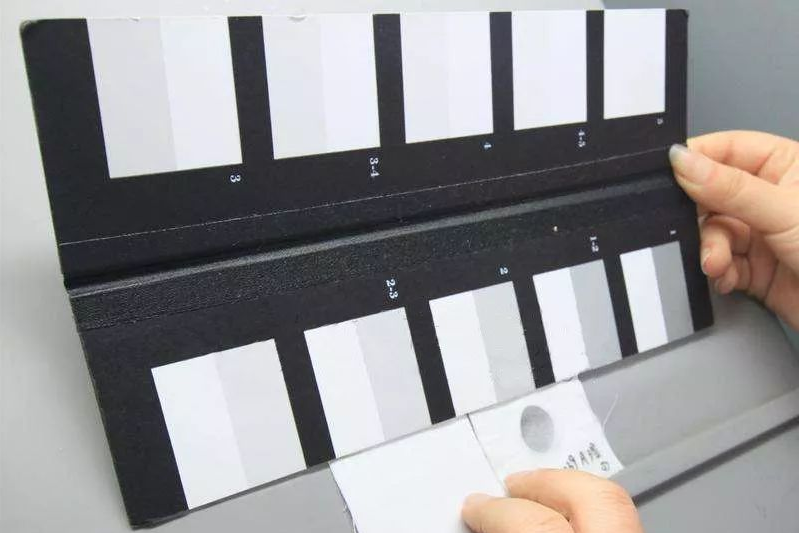
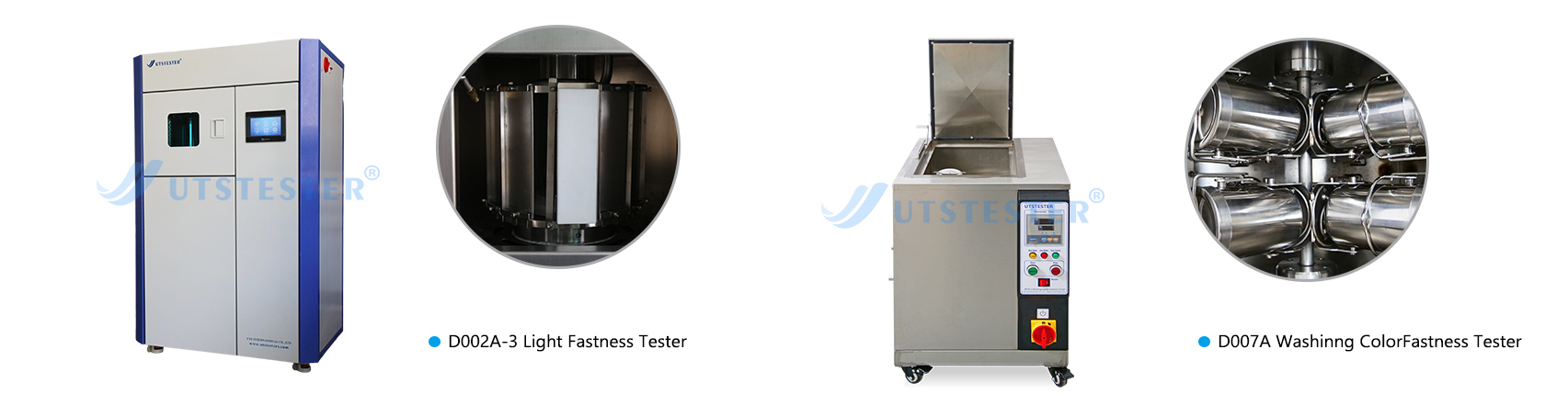
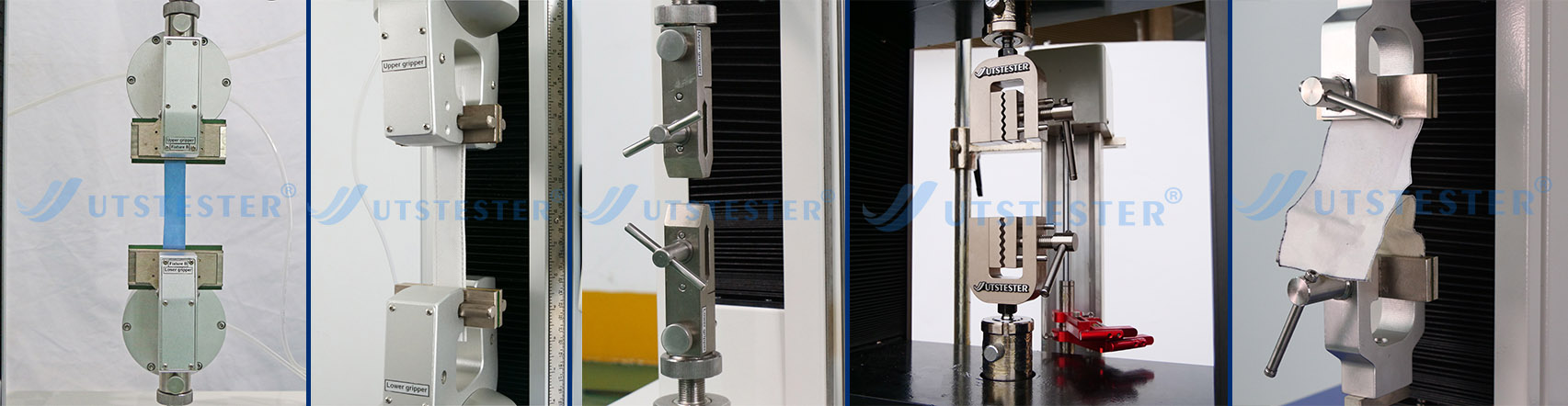
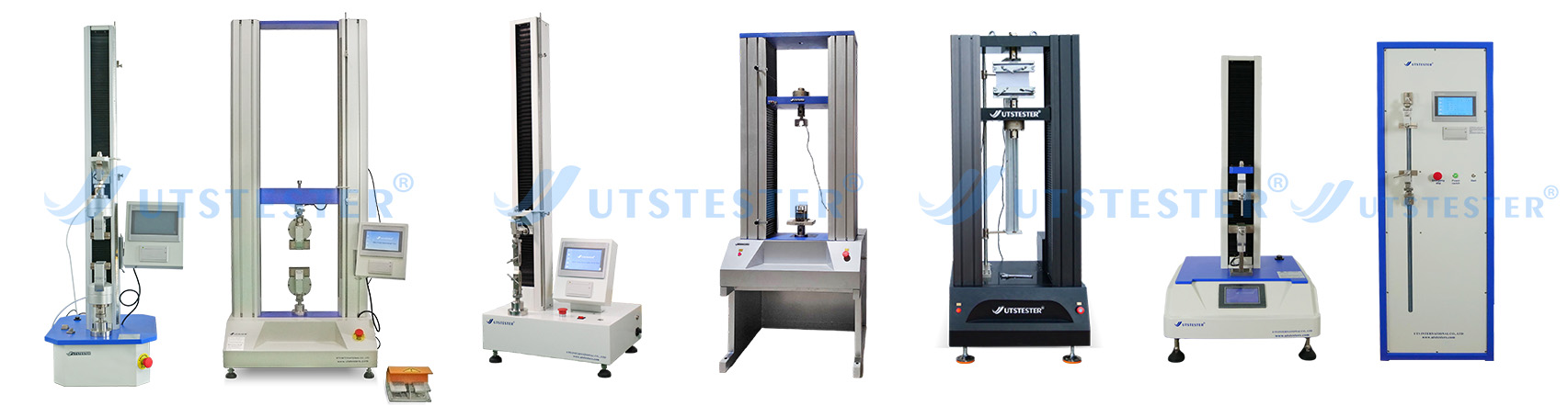
Taber Tester (Taber Abrasion Tester) is a key testing equipment widely used in the textile industry, mainly used to evaluate the abrasion resistance, pilling resistance and surface durability of fabrics. Its precise quantitative testing capability provides an important basis for textile quality control, product development and industry standard certification. The following are the main uses of Taber Tester in the textile industry:


1. Evaluate the wear resistance of fabrics

(1) Simulate real wear environment

The Taber tester simulates the wear of fabrics in daily wear, washing, friction and other environments by rotating friction.

It is suitable for all kinds of textiles, such as clothing fabrics (cotton, polyester, wool, etc.), home textiles (sheets, sofa covers), industrial fabrics (tents, canvas), etc.

(2) Quantifying the wear resistance level

The wear resistance level of the fabric is determined by calculating the mass loss (unit: mg) after a certain number of friction cycles or observing the degree of surface wear.

For example:

Highly wear-resistant fabrics (such as work clothes and military uniforms) need to withstand a higher number of cycles (such as 10,000 times) without obvious wear.

Low wear-resistant fabrics (such as silk and lace) may be significantly damaged after 1,000 friction cycles.


2. Test the anti-pilling performance

(1) Evaluate the changes in the fabric surface

During the friction process, the fabric surface may form pilling due to fiber breakage and entanglement, affecting the appearance and feel.

The Taber tester can be combined with standard ratings (such as ISO 12945-2, ASTM D4970) for anti-pilling testing.

(2) Optimize the textile process

Optimize product design by comparing the test results of different fiber compositions, weaving methods or finishing processes (such as anti-pilling additive treatment).


3. Testing the durability of special textiles

(1) Automotive interior materials

Seat fabrics, seat belts, car roofs, etc. need to withstand long-term friction. Taber testers can simulate the wear and tear after long-term use.

(2) Protective clothing and functional textiles

Fire suits, medical protective clothing, etc. need to maintain durability in extreme environments. Testing their wear resistance can ensure their service life.

(3) Carpets and decorative fabrics

Evaluate the degree of wear of carpets after long-term trampling and optimize fiber selection (such as nylon vs. polypropylene).


4. Comply with international testing standards

Taber testers are widely used in textile testing laboratories around the world and comply with many international standards, such as:

ASTM D3884 (Textile Abrasion Resistance Test)

ISO 5470-1 (Coated Fabric Abrasion Resistance)

GB/T 21196 (Chinese Textile Abrasion Resistance Standard)


5. Optimize production process and cost control

Material screening: Select the most cost-effective raw materials by comparing the wear resistance data of different fabrics.

Process improvement: such as adjusting yarn density and finishing process (such as resin treatment) to improve wear resistance.

Reduce return rate: Ensure that products meet industry standards and reduce customer complaints caused by quality problems.


Conclusion

The application of Taber tester in the textile industry covers abrasion resistance testing, anti-pilling evaluation, durability analysis of special textiles and other aspects, providing a scientific basis for product quality control, R&D optimization and industry certification. Its precise testing methods and wide standard applicability make it an indispensable equipment for textile enterprises, testing institutions and R&D centers.

With the data support of Taber tester, textile enterprises can improve product competitiveness, reduce quality risks and meet the needs of different markets.

Email: hello@utstesters.com

Direct: + 86 152 6060 5085

Tel: +86-596-7686689

Web: www.utstesters.com

Elephant Factory Acceptance Ceremony Successfully Held Crude Oil Transfer Pump

2025-07-25

Elephant Machinery recently welcomed representatives from Sudan's energy sector and the Sudan National Petroleum Pipeline Company for a factory visit and inspection of the ordered CBW-2800 crude oil transfer pumps.

The equipment underwent rigorous testing, with all items passing acceptance in a single attempt.


Elephant Machinery is honored to receive recognition in the international petroleum equipment industry. In our pursuit of innovation in reciprocating pump applications, we remain committed to our founding principles: reliability, durability, and user-friendly operation. We listen to every customer’s feedback, integrating their needs into our designs, and crafting reciprocating pump solutions with craftsmanship—delivering convenience, reliability, efficiency, and intelligence.

Elephant Machinery arrives as scheduled, bringing reciprocating pumps to the Xinjiang International Petroleum Exhibition

2025-07-25

From July 18 to July 20, Elephant Machinery will be at Booth E4020 at the Urumqi Xinjiang International Petroleum and Chemical Technology and Equipment Exhibition to meet with you and discuss business opportunities.


At this event, we showcased our DS200 triplex pump, DW400 quintuplex pump, and DXBH-66 intelligent unmanned pump skid, and discussed cutting-edge reciprocating pump technology in the petroleum industry with attendees.


On the first day of the exhibition, a long line formed at the Elephant Machinery booth, attracting many domestic and international visitors to stop and chat.


As a key hub along the Belt and Road Initiative, Xinjiang serves as a “super transit hub” for Elephant Machinery to expand its reach into Central Asia, Eastern Europe, and North Africa.


Elephant Machinery is committed to building a world-class brand in reciprocating pumps, adhering to the principle of “product is king,” and deeply engaging in the energy infrastructure market along the Belt and Road Initiative to support the thriving development of global oil and gas exploration and production. The company continuously updates and improves its products, dedicated to providing global customers with more convenient, reliable, efficient, and intelligent reciprocating pump solutions.

What is the difference between a jet pump and a plunger pump?

2025-07-25

The jet pump and the plunger pump are two different types of pumps, with the main differences reflected in the following aspects:


1.Working Principle

  • Jet Pump: It is a fluid pressurization device that primarily utilizes high-pressure working fluids (water, air, steam) to generate a high-speed jet through a nozzle, which enters a high-pressure chamber, thereby increasing the pressure to meet operational requirements. It relies entirely on the dynamic motion between fluids. It has strong self-priming capability and can handle gas-liquid mixed fluids.

  • Plunger Pump: The motor drives the pump's crankshaft to rotate via large and small pulleys and a narrow belt. The crankshaft then drives the connecting rod and plunger to perform reciprocating motion. When the plunger moves backward, the inlet valve opens, allowing liquid to enter the pump body until the plunger reaches its rearmost position (180° rotation of the crankshaft), completing the suction process. The plunger then begins to move forward, compressing the liquid in the pump's valve chamber, increasing the pressure. As a result, the inlet valve closes, and the discharge valve opens, allowing the liquid to be pushed out by the plunger through the discharge valve. The flow rate can be adjusted by changing the size of the plunger.


2.Structural Differences

  • Jet Pump: Simple in structure, primarily generates power through fluid movement, with lower maintenance costs in the long run (no vulnerable parts) and lower sealing requirements.

  • Plunger Pump: Mainly generates power through the reciprocating motion of the plunger. Compared to the jet pump, it has higher long-term maintenance costs and extremely high sealing requirements to prevent plunger leakage.


3.Application Scenarios

  • Jet Pump: Deep well water extraction, chemical industry (capable of transporting corrosive media,etc).

Plunger Pump: High-pressure cleaning, petroleum industry (mud pump, water injection pump, etc.), water well drilling, etc.


The jet pump primarily relies on hydrodynamic force for operation, making it suitable for simple working conditions and offering corrosion resistance. On the other hand, the plunger pump operates through the reciprocating motion of a plunger, making it ideal for high-pressure, high-efficiency, and stable-flow applications. You can choose the appropriate pump based on different working conditions and requirements. Elephant Machinery offers both plunger pump and jetting pump in our product lineup. Visit our website (www.elephantmudpump.com) to select the product you need—we will be your trusted partner!

Tags
#tt