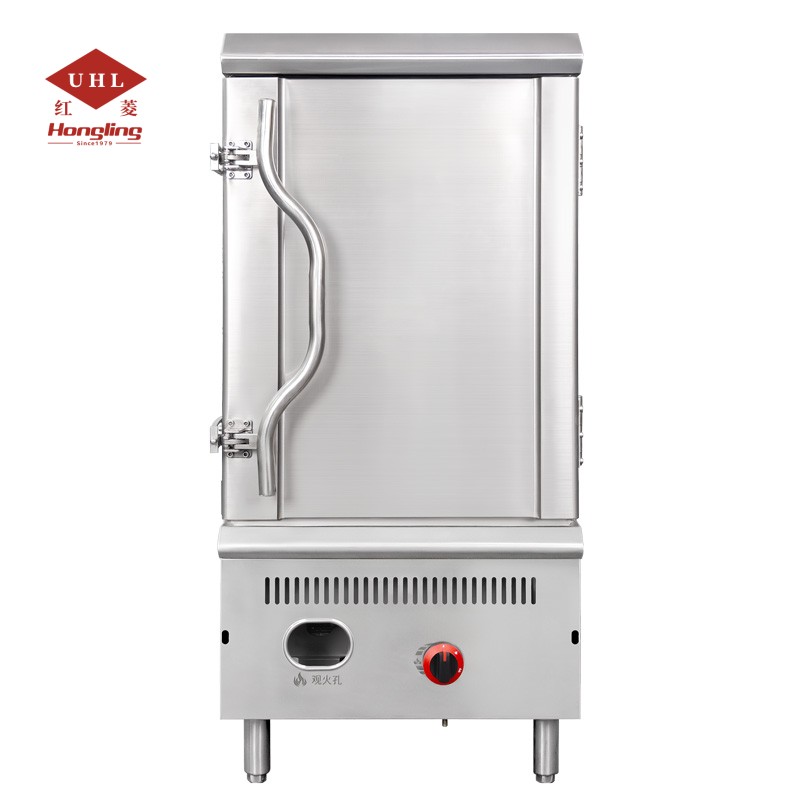
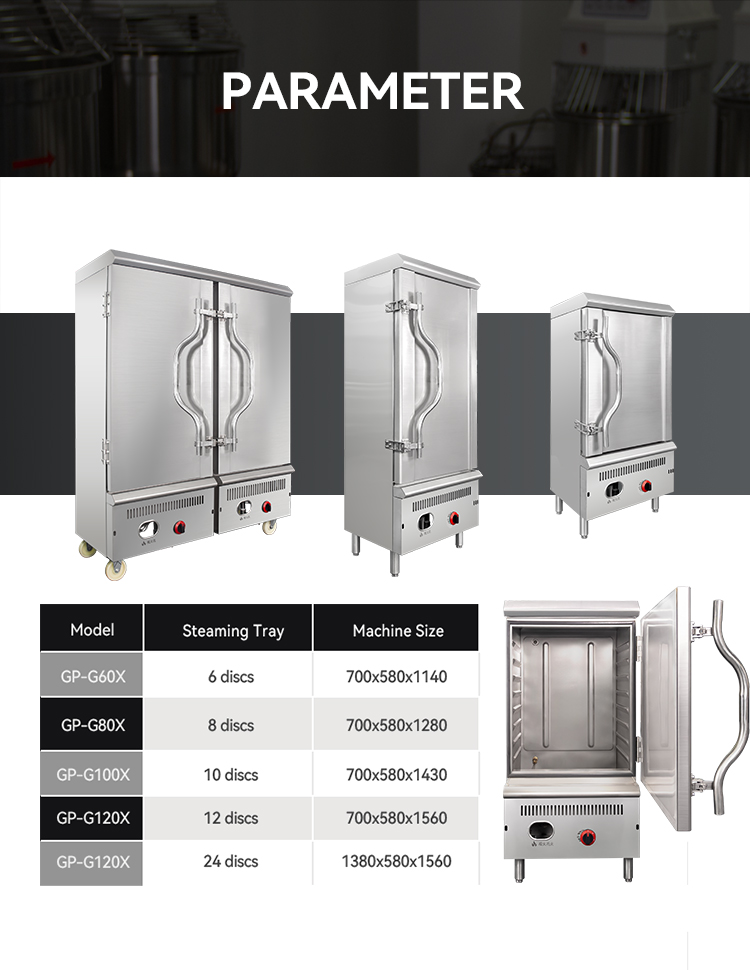
Commercial Gas Rice Steamer Machine Steamer Cabinet
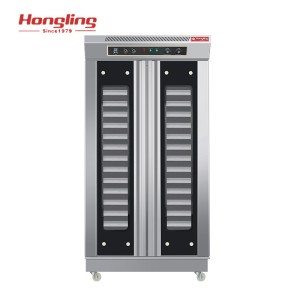
The gas rice steaming cabinet has the characteristics of high efficiency, energy saving, fast cooking, multi-function, easy operation and cleaning, etc.
Characteristics of a gas steamer cabinet: 1.Efficient and Energy-saving: Gas steamer cabinets typically use natural gas or liquefied gas as their energy source, which is more energy-efficient compared to electric power, helping to reduce costs. 2.Quick Steaming: Using gas as an energy source provides high temperatures, allowing for the rapid generation of steam to sufficiently steam food in a shorter time. 3.Temperature Control: They feature precise temperature control, allowing for adjustments to steam temperature as needed, ensuring even heating of food. 4.Multi-functionality: Apart from steaming rice, some gas steamer cabinets are designed for multi-purpose use, suitable for steaming vegetables, meats, and other foods. 5.Ease of Operation: Typically designed with simplicity in mind, they are easy to operate with intuitive control panels and buttons. 6.Space-saving: Compared to traditional steaming equipment, gas steamer cabinets are usually more compact in design, helping to save kitchen space. 7.Easy to Clean: Most gas steamer cabinets are made of stainless steel or other easy-to-clean materials, making them relatively easy to maintain. 8.Durable: Constructed from sturdy and durable materials, gas steamer cabinets generally have a long lifespan.
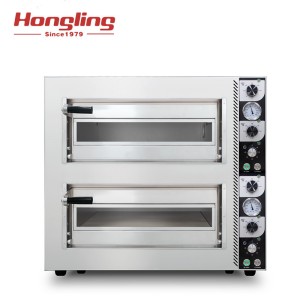
The choice between a gas or electric oven depends on various factors including cooking preferences, energy costs, and kitchen setup. Here are some considerations for each type:
Pros: 1.Even Heat Distribution: ●Electric ovens typically provide more consistent and even heat, which is crucial for uniform baking. ●They often have multiple heating elements that ensure the temperature is evenly distributed throughout the oven.
2.Temperature Accuracy and Stability: ●Electric ovens generally have better temperature control and stability. ●They maintain the set temperature more consistently, reducing fluctuations that can affect baking results.
3.Dry Heat: ●Electric ovens produce a dry heat, which is ideal for achieving crispy textures in baked goods like cookies, pastries, and crusts.
4.Convection Features: ●Many electric ovens come with convection settings that use a fan to circulate hot air, promoting even browning and faster cooking times. ●This is particularly useful for baking multiple trays at once.
5.Self-Cleaning Options: ●Electric ovens often come with self-cleaning features that make maintenance easier.
Cons: 1.Operational Costs:Electric ovens can be more expensive to run, especially in areas where electricity rates are high. 2.Preheating Time:Electric ovens typically take longer to preheat compared to gas ovens, which might be inconvenient for some users. 3.Power Outages:In the event of a power outage, an electric oven becomes unusable, which can be a significant drawback.
Pros: 1.Moist Heat:Gas ovens produce a more humid heat, which is beneficial for baking breads and items that require a moist interior and good rise. 2.Operational Costs:In areas where natural gas is less expensive than electricity, gas ovens can be cheaper to operate. 3.Faster Preheating:Gas ovens typically preheat faster than electric ovens, which can save time. 4.Usage During Power Outages:Gas ovens can still be used during power outages, provided they have a manual ignition option.
Cons: 1.Uneven Heat Distribution:Gas ovens often have hot spots and less even heat distribution, which can result in uneven baking. 2.Temperature Control:Maintaining a precise and consistent temperature can be more challenging in gas ovens. 3.Humidity:The humid heat produced by gas ovens might not be ideal for achieving crispy textures in baked goods. 4.Installation Costs:If a gas line is not already installed, the cost to install one can be significant. 5.Safety Concerns:There is a potential risk of gas leaks, which requires proper maintenance and monitoring.
Conclusion
For most baking tasks, electric ovens are generally preferred due to their even heat distribution, temperature accuracy, and features like convection baking. However, gas ovens have their own advantages, particularly for baking items that benefit from a moist cooking environment, such as breads. The choice ultimately depends on the specific baking needs, budget, and personal preferences.
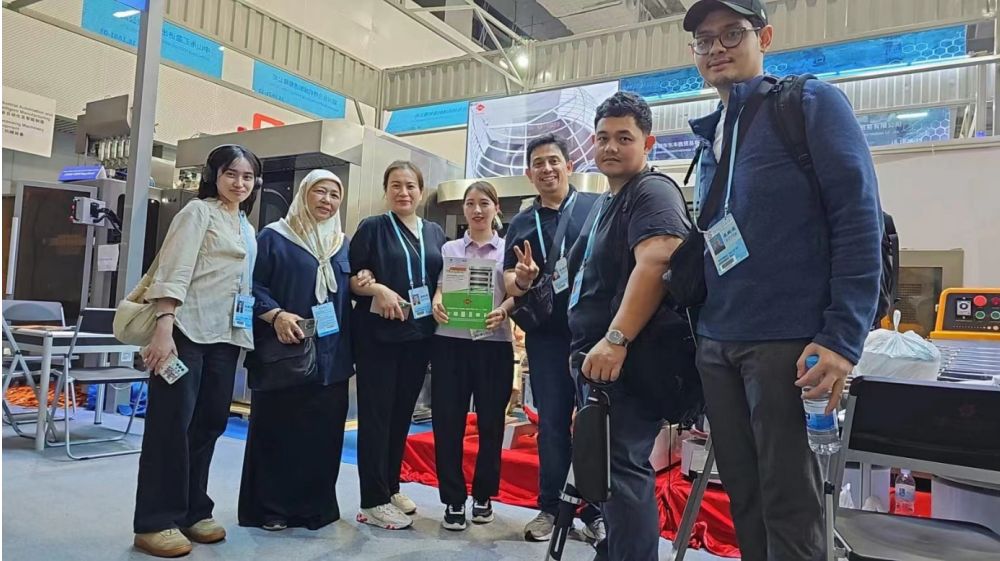
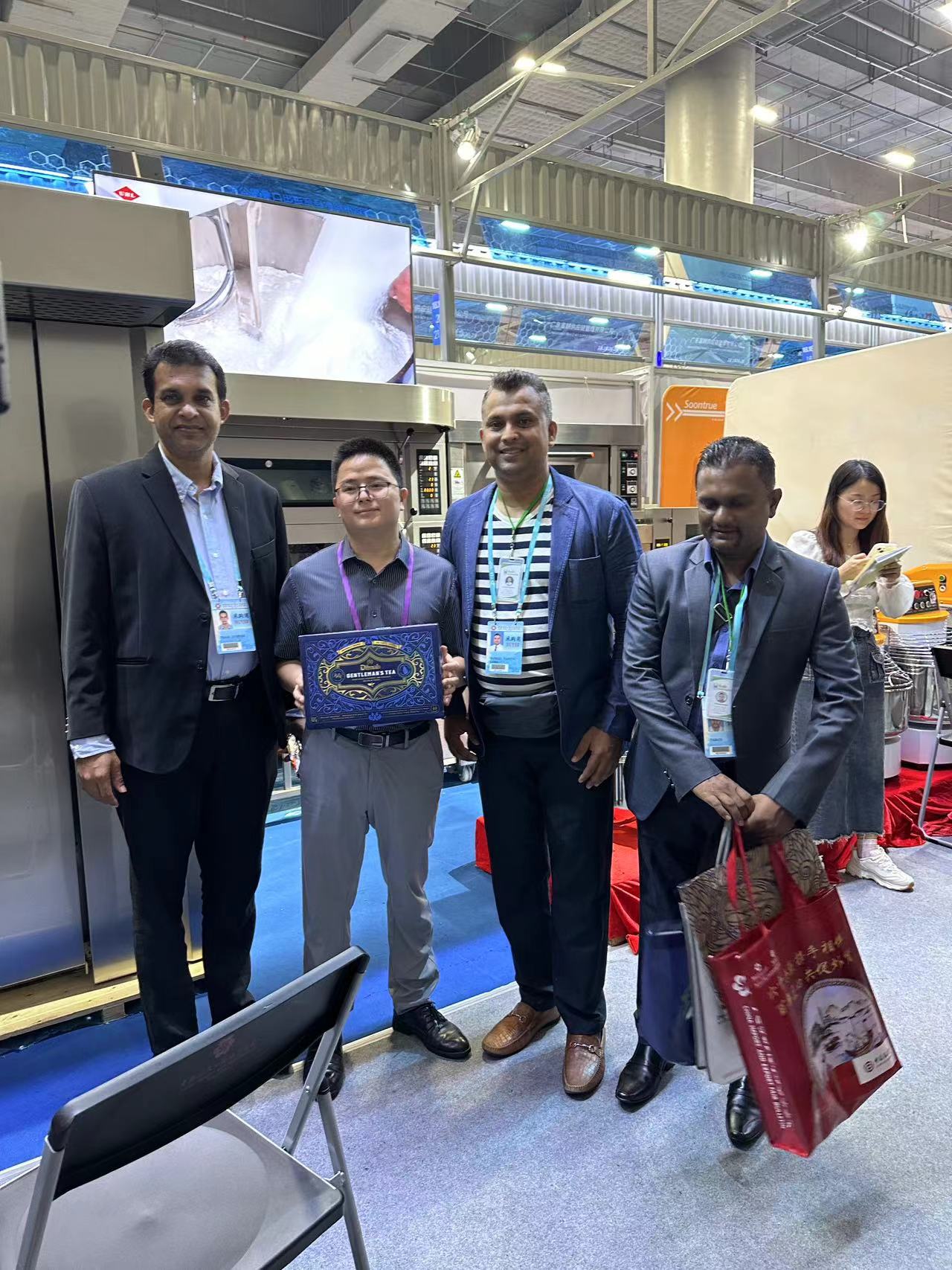
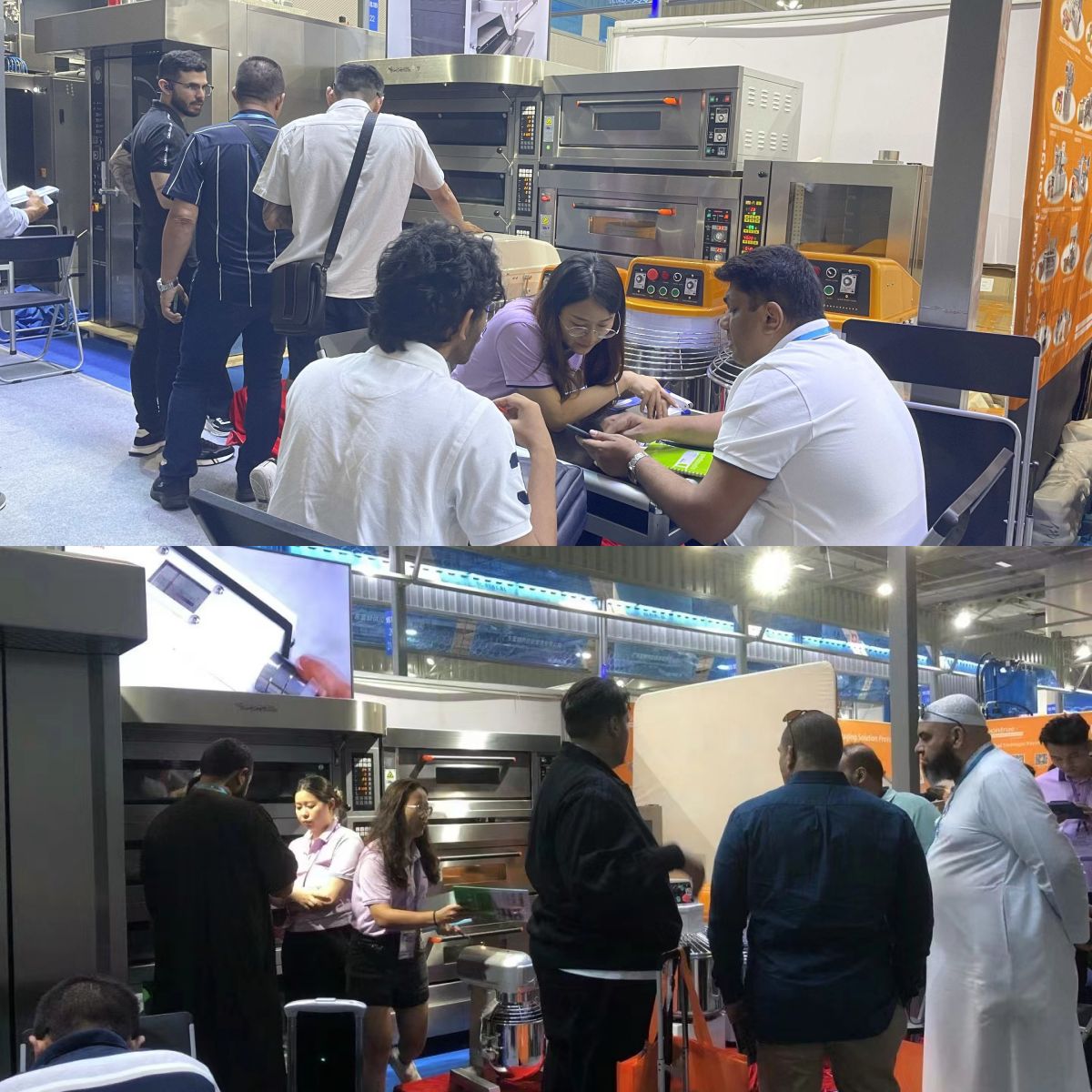
Thank you for being a part of our oven exhibition! Your presence and active participation made this event truly remarkable. We've witnessed incredible innovation and explored the latest advancements in oven technology together.
You can keep up with our products and updates on Facebook Click it
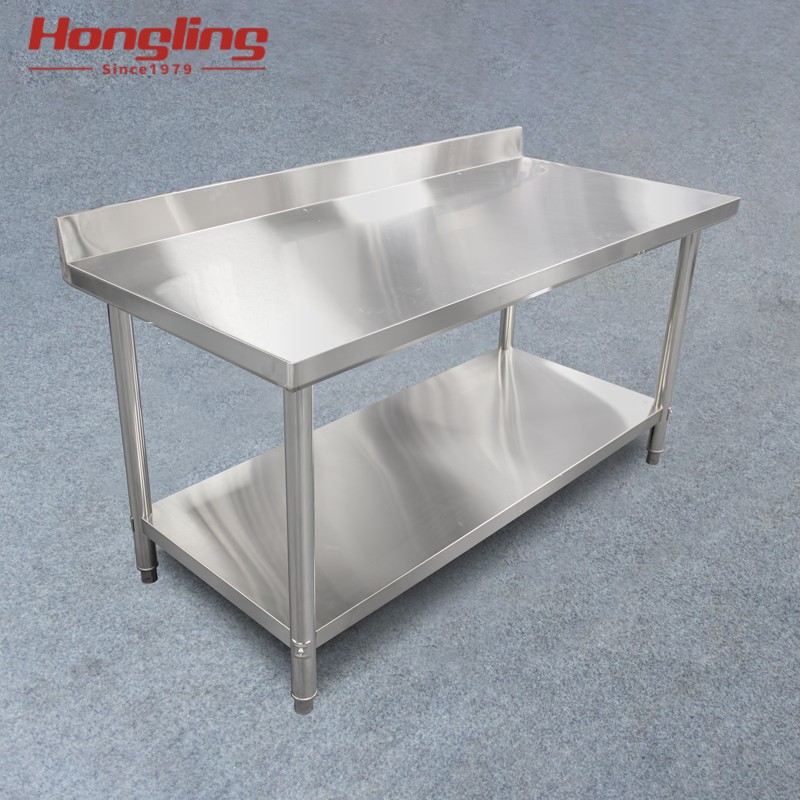
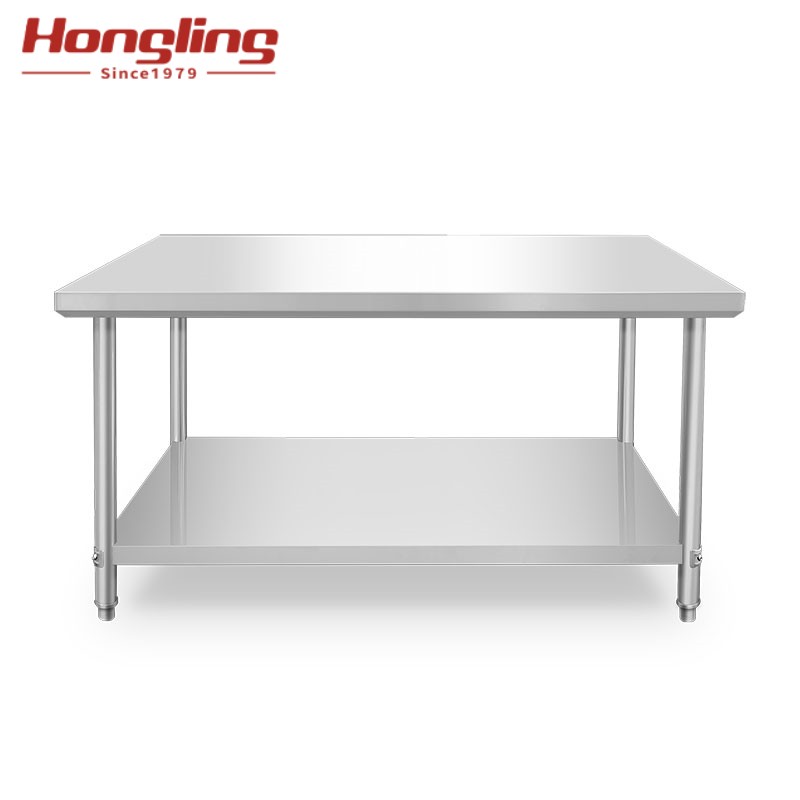
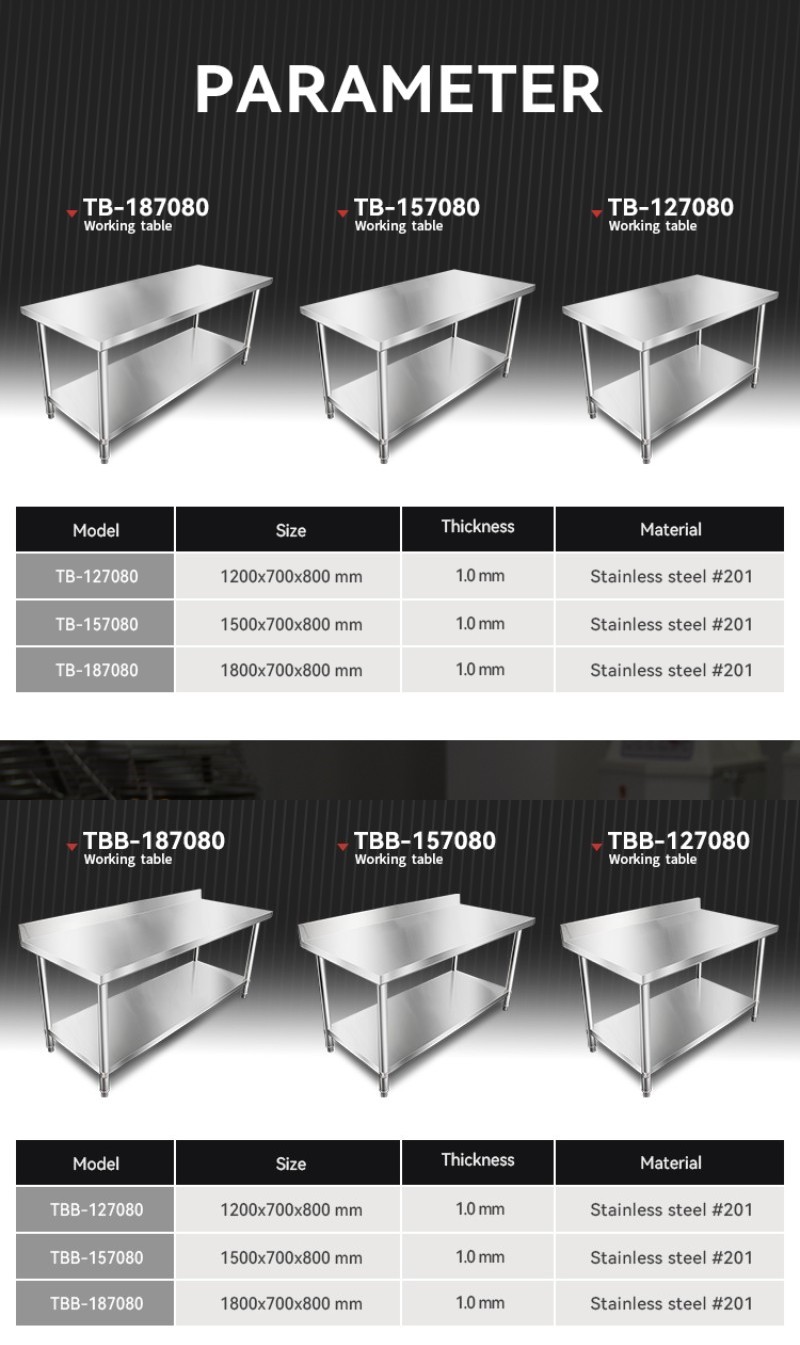
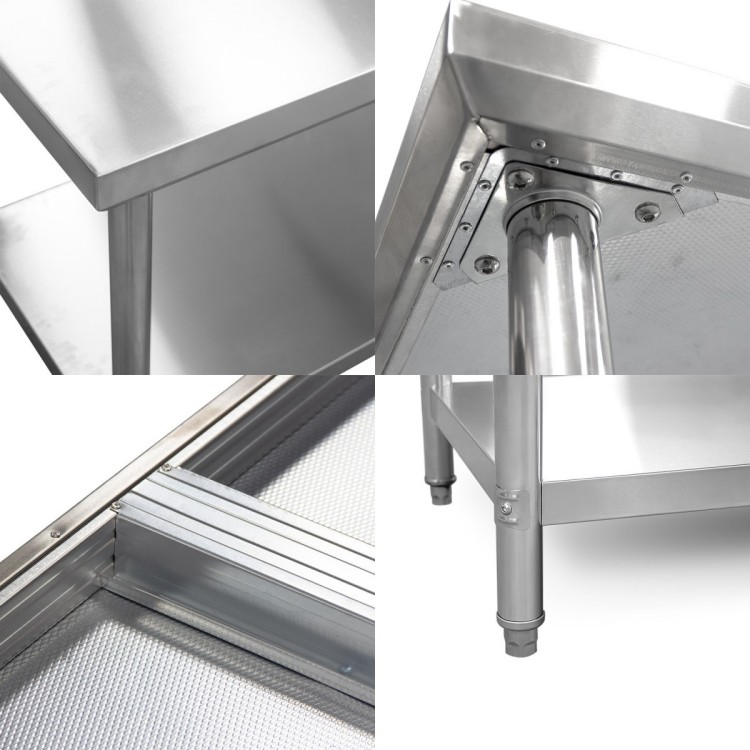
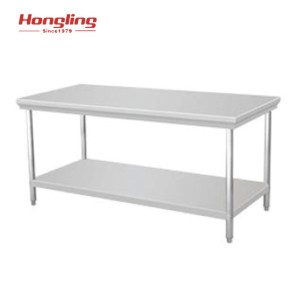
The stainless steel worktable in the kitchen has many advantages, making it a common choice for both commercial and residential kitchens.
1.Corrosion Resistance:Stainless steel exhibits excellent resistance to corrosion, making it capable of withstanding exposure to water, moisture, and most chemicals. This quality is particularly beneficial in kitchens where the worktable may come into contact with food and liquids.
2.Hygienic and Easy to Clean:The smooth surface of stainless steel does not easily trap food residues, making it easy to clean. This feature is essential for maintaining a high level of hygiene in kitchen environments, especially during food preparation and processing.
3.Sturdy and Durable:Stainless steel is a robust material that can resist bending and impact, allowing the worktable to endure the demands of a busy kitchen without succumbing to damage easily.
4.High-Temperature Resistance:Stainless steel can withstand high temperatures without warping or releasing harmful substances. This property is advantageous in kitchens where heat sources are frequently used.
5.Aesthetic Appeal and Longevity:Stainless steel has a sleek and modern appearance that is resistant to surface wear and fading. This characteristic helps stainless steel worktables maintain their fresh and attractive look over time.
6.Customizability:Stainless steel worktables can be customized to fit different kitchen layouts and fulfill specific functional requirements. This flexibility makes them an ideal choice for various kitchen designs.
7.Environmentally Friendly:Stainless steel is a recyclable material, contributing to lower environmental impact. After reaching the end of its lifespan, stainless steel can be recycled, reducing reliance on natural resources.
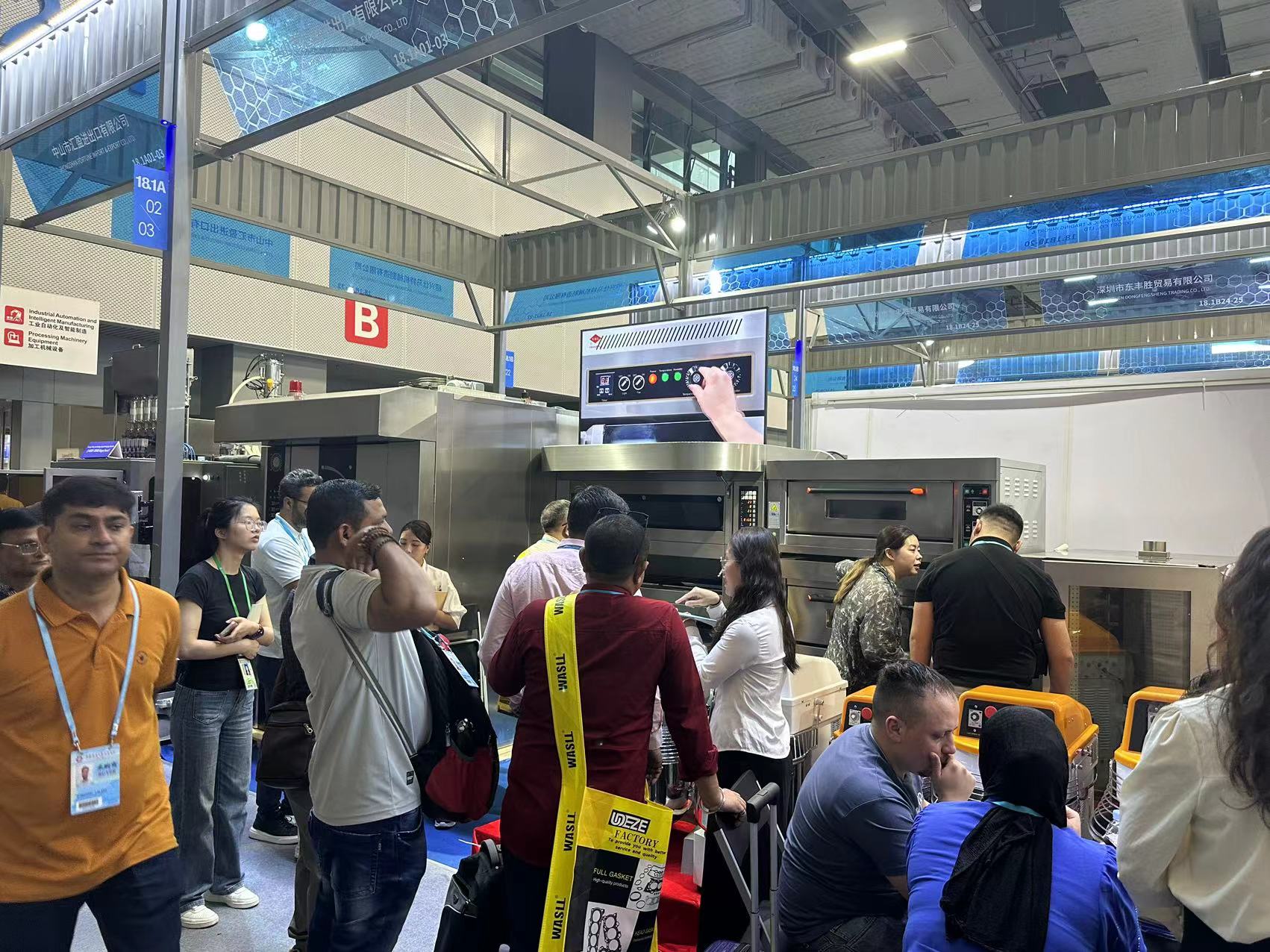
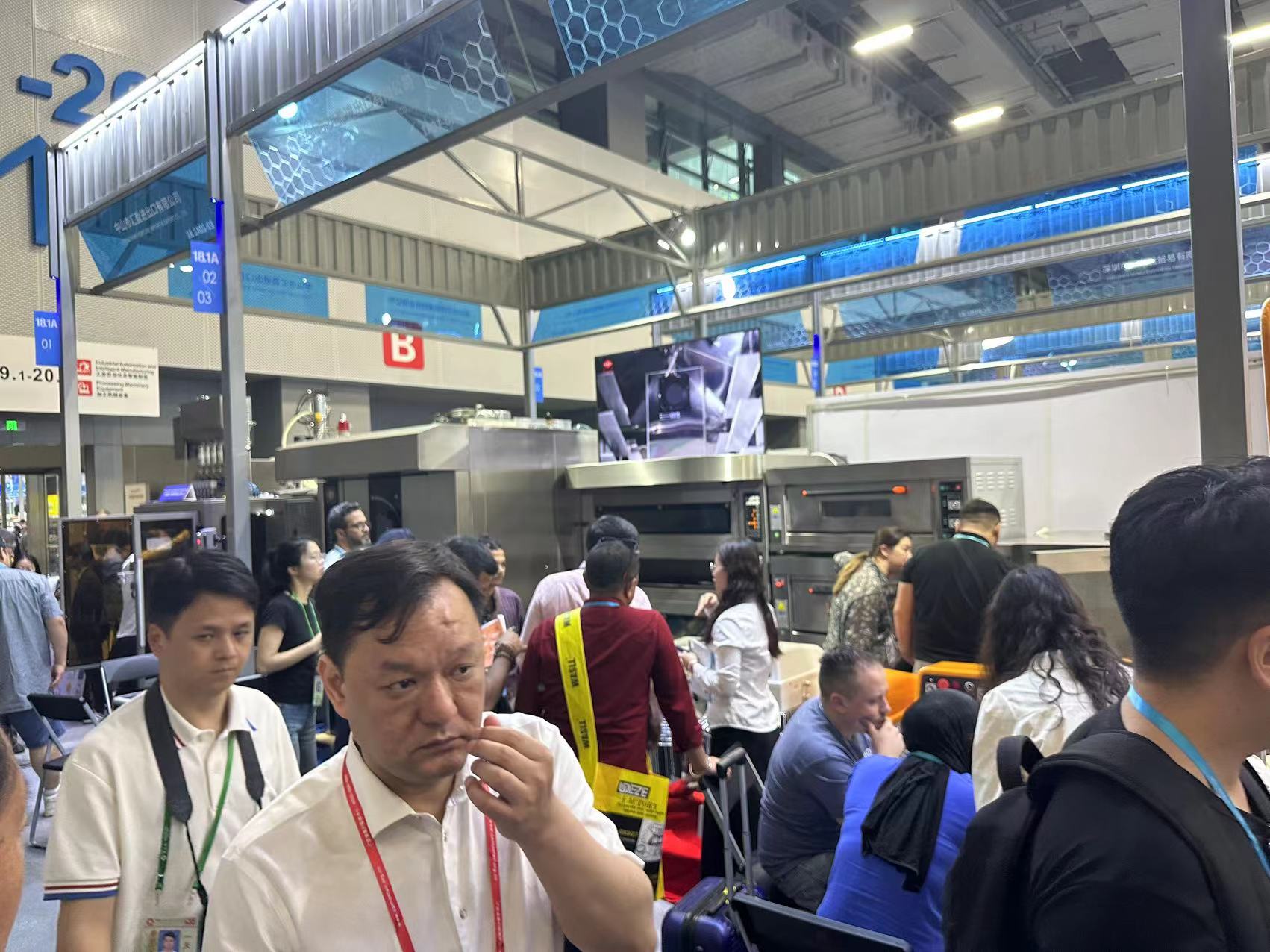
The 135th Canton Fair Hongling Exhibition Ended Successfully
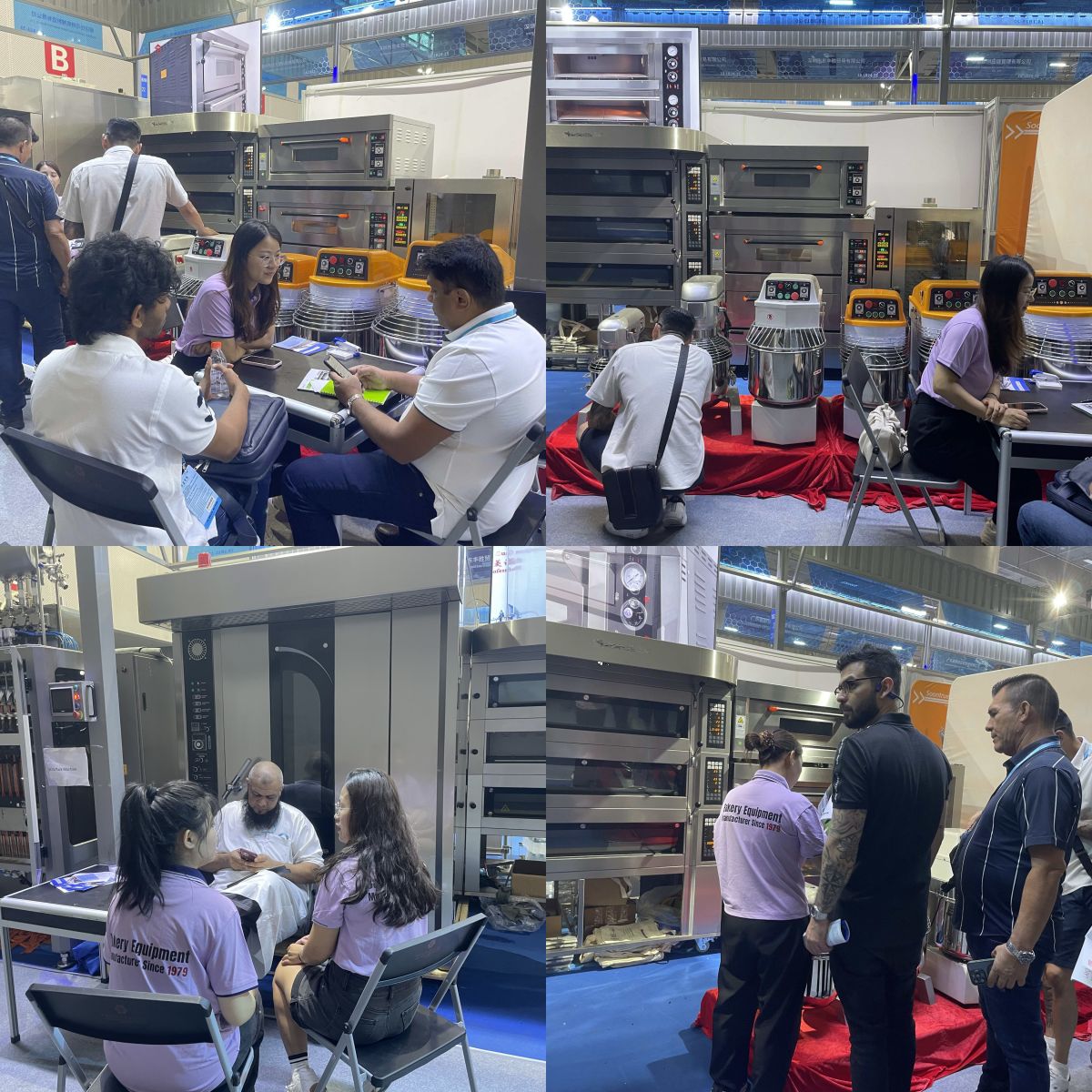
Thank you for being a part of our oven exhibition! Your presence and active participation made this event truly remarkable. We've witnessed incredible innovation and explored the latest advancements in oven technology together.
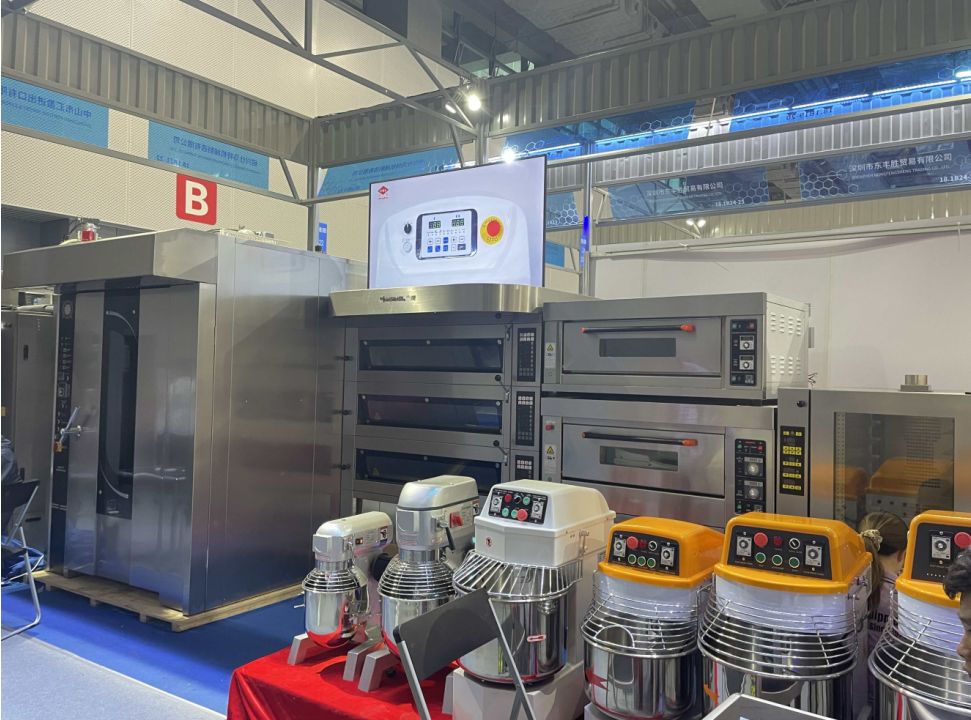
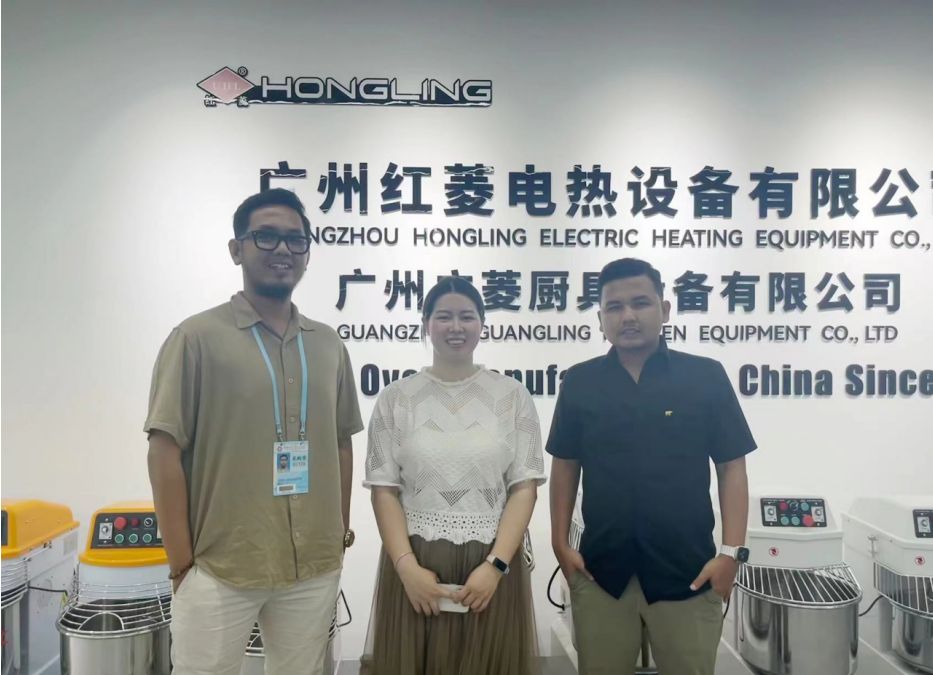
Here are some photos from our exhibition site. Continue to welcome everyone to visit our factory.
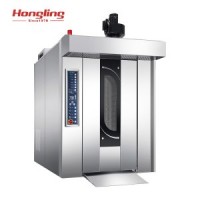
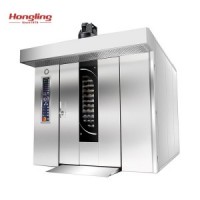
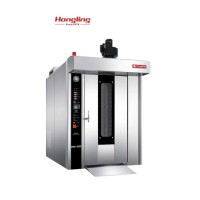
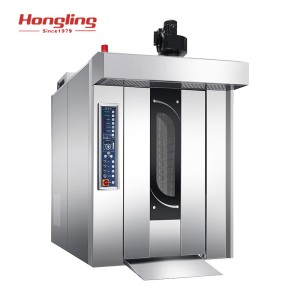
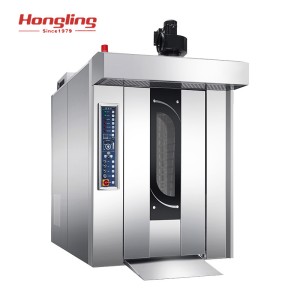
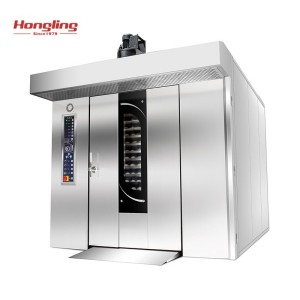
A rotary rack oven is a type of commercial baking oven designed for high-volume baking operations. It is characterized by its rotating rack system, which ensures even baking by rotating trays of products inside the oven. This type of oven is commonly used in bakeries and pastry shops for baking bread, cakes, cookies, and other baked goods.
Hongling rotary ovenhas three heating sources:gas,diesel and electric.This machine could be used for baking many kinds of products,such as cake,bread,cookie,moon cake,pastry,and so on.The internal and external are full stainless steel 201. It combines hot air convection,heating air circulation,and trolley slow rotation to ensure the products inside are heated evently. It has a spray and humidification device to guarantee the food to meet the humidity requirement. It also has lighting system inside,customer can observe the whole baking process through glass of door. After baking,the products are uniformly ripening.
Features of a Rotary Rack Oven 1.Rotating Rack System: The key feature of a rotary rack oven is its rotating rack, which helps in achieving uniform baking. The rotation ensures that all the products receive the same amount of heat. 2.Consistent Temperature: These ovens are equipped with advanced temperature control systems to maintain consistent heat, which is crucial for producing high-quality baked goods. 3.High Capacity: Rotary rack ovens can hold multiple racks of baking trays, making them ideal for large-scale baking operations. 4.Efficient Heat Distribution: The design of these ovens ensures efficient heat distribution, reducing baking times and improving energy efficiency. 5.Versatility: Rotary rack ovens can be used to bake a wide variety of products, including bread, pastries, cakes, cookies, and more. 6.Steam Injection: Many rotary rack ovens have steam injection capabilities, which are essential for certain types of bread and pastries that require a crispy crust. 7.Programmable Controls: Modern rotary rack ovens often come with programmable controls, allowing bakers to set specific baking times, temperatures, and steam cycles for different products.
Benefits of Using a Rotary Rack Oven 1.Uniform Baking: The rotating rack ensures that all products are baked evenly, reducing the chances of hot spots or unevenly baked goods. 2.Increased Production: With the ability to bake large quantities at once, rotary rack ovens increase production efficiency and output. 3.Labor Efficiency: These ovens reduce the need for manual intervention, allowing bakers to focus on other tasks. 4.Energy Efficiency: The efficient heat distribution and insulation of rotary rack ovens contribute to lower energy consumption. 5.Improved Product Quality: Consistent and precise baking conditions result in higher quality baked goods with better texture and flavor.
Considerations When Choosing a Rotary Rack Oven 1.Capacity: Consider the volume of products you need to bake and choose an oven with the appropriate capacity. 2.Size: Ensure the oven fits within your bakery's space and can accommodate your baking trays and racks. 3.Energy Source: Rotary rack ovens can be powered by gas or electricity. Choose the one that best suits your bakery's setup and energy availability. 4.Features: Look for features such as steam injection, programmable controls, and self-cleaning options that can enhance your baking process. 5.Brand and Warranty: Choose a reputable brand that offers good customer support and a reliable warranty.
Maintenance Tips 1.Regular Cleaning: Clean the oven regularly to prevent buildup of food particles and grease, which can affect baking quality and oven performance. 2.Inspect Components: Regularly inspect the rotating mechanism, heating elements, and control systems to ensure they are functioning properly. 3.Professional Servicing: Schedule professional maintenance checks to keep the oven in optimal condition and extend its lifespan.
A rotary rack oven is a valuable investment for any commercial bakery, offering efficiency, consistency, and versatility in baking operations.
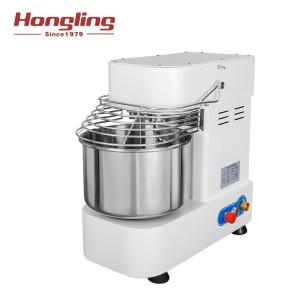
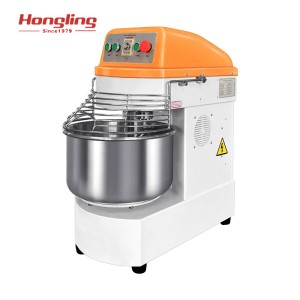
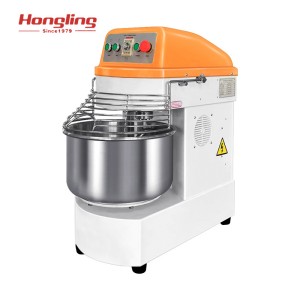
1.Bowl and Spiral Hook: In a spiral mixer, the bowl rotates while a spiral-shaped hook remains stationary or rotates. The spiral hook kneads the dough while the bowl turns, which creates a more consistent mixing action. 2.Dough Mixing: Spiral mixers are specifically designed for dough mixing, making them ideal for bread and pizza dough. They handle heavy doughs well, incorporating air and developing gluten effectively without overheating the dough. 3.Capacity and Efficiency: They usually come in larger capacities and are more efficient for large batches, making them popular in commercial bakeries.
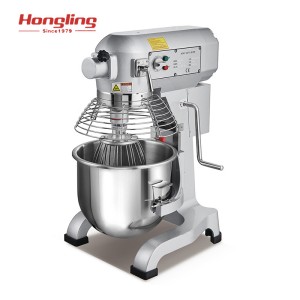
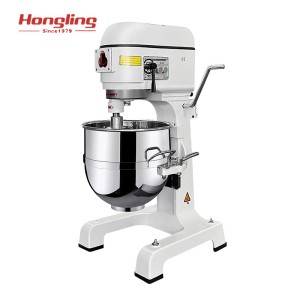
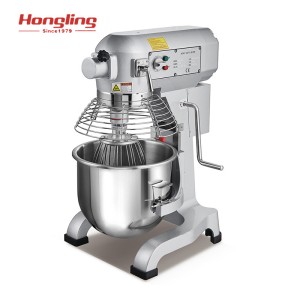
1.Fixed Bowl and Rotating Attachments: In a planetary mixer, the bowl remains fixed, and the mixing attachment (which could be a whisk, paddle, or dough hook) rotates around its own axis while simultaneously revolving around the center of the bowl (like a planet orbiting around the sun, hence the name). 2.Versatility: Planetary mixers are versatile and can handle a variety of tasks beyond dough mixing, such as whipping, creaming, and mixing batters. They are suitable for making cakes, pastries, creams, and other mixtures. 3.Attachment Options: They often come with multiple attachments (whisk, paddle, and hook), allowing for different mixing tasks.
4.Varied Sizes: Planetary mixers come in a range of sizes, from small countertop models for home use to larger models for commercial kitchens.
Key Differences
1.Mixing Action: ●Spiral Mixer: Rotating bowl with a stationary or rotating spiral hook. ●Planetary Mixer: Fixed bowl with rotating and orbiting attachments.
2.Best For:
●Spiral Mixer: Heavy doughs like bread and pizza. ●Planetary Mixer: Versatile for dough, batters, creams, and more.
3.Capacity: ●Spiral Mixer: Typically larger capacities for commercial use. ●Planetary Mixer: Available in a wide range of sizes, from small to large.
4.Efficiency ●Spiral Mixer: More efficient for kneading large batches of dough without overheating. ●Planetary Mixer: Efficient for a variety of mixing tasks but may not handle large dough batches as effectively as a spiral mixer.
Choosing between the two depends on the primary purpose of the mixer. For bakeries focusing on bread and pizza dough, a spiral mixer is usually the better choice, while a planetary mixer is more suited for kitchens that require versatility in mixing tasks.
In a bakery, several types of ovens are used, each suited to different baking needs and scales of production. Here are some common types of ovens found in bakeries:
HONGLING ovens can be customized according to requirements.
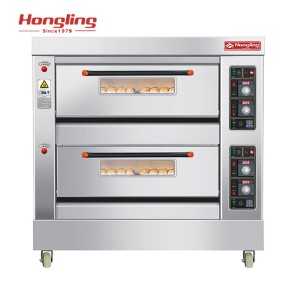
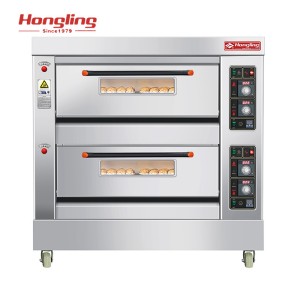
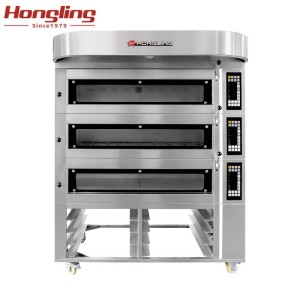
Description: Deck ovens have multiple baking chambers, each with its own deck or baking surface, allowing for the baking of different items at different temperatures simultaneously.
Uses: Ideal for artisan breads, pizzas, and pastries due to the even heat distribution and the ability to control the temperature and steam in each deck.
Description: These ovens have a large chamber where racks of baking trays can be wheeled in and out. The oven circulates hot air around the racks to ensure even baking.
Uses: Suitable for high-volume production of bread, rolls, pastries, and cookies. They are highly efficient for large batches and offer consistent results.
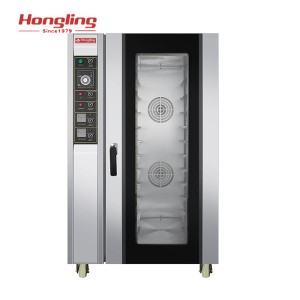
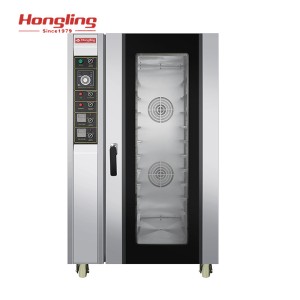
Description: Convection ovens use fans to circulate hot air around the baking chamber, providing even and fast baking.
Uses: Great for baking cookies, cakes, muffins, and other baked goods that require even browning and baking. They are versatile and commonly used in smaller bakeries.
Description: Steam ovens inject steam into the baking chamber, which is essential for certain types of bread that need a crispy crust and a soft interior.
Uses: Essential for baking artisan breads, baguettes, and other bread varieties that require a specific crust texture.
Description: These ovens have a continuous conveyor belt that moves products through a long, heated tunnel, providing consistent baking conditions throughout.
Uses: Perfect for large-scale industrial bakeries that produce large quantities of items like cookies, biscuits, and other baked goods.
Description: These traditional ovens have a stone or brick interior that retains heat well, providing a unique baking environment.
Uses: Used for baking rustic breads, pizzas, and other products that benefit from the intense, even heat and unique flavor imparted by the stone.
Each type of oven has its advantages and is chosen based on the specific needs of the bakery, the types of products being baked, and the production volume.