头部背景图片

What Does the Future Hold for Forged Wheels in the EV Era?

2025-11-12

As the auto industry shifts to electric vehicles (EVs), many parts are changing—including the forged wheels. But what role will they play in the EV era, and how are they adapting to new needs? The future looks bright, with tech and sustainability innovations shaping the next generation of forged wheels, like wholesale aluminum alloy forged wheels and special versions. EVs are heavier than gas-powered cars because of their battery packs. That makes cutting unsprung weight be more important than ever. Forged car wheels are produced from 6061-T6, it is more lighter but more stronger. And can do customized design, are very perfect for the EVs. By reducing unsprung weight, they boost an EV’s range and performance. This is the key points for both buyers and makers. Wholesale aluminum alloy forged wheels will be crucial here, since they’re an affordable option for mass-produced EVs.


Innovation in forging techniques is also driving the future. Advanced methods like rotary forging use rotational force to shape wheels, resulting in a more uniform grain structure and even greater strength. This allows for more complex designs, giving manufacturers greater flexibility to create unique wheel styles that complement the sleek aesthetics of EVs. Additionally, these techniques reduce material waste, making production more efficient and sustainable.


Sustainability is another key focus. Manufacturers are increasingly using recycled aluminum in forged wheel production, which requires less energy than virgin aluminum. This lowers carbon emissions and aligns with the EV industry’s commitment to sustainability. As consumers become more eco-conscious, demand for sustainable products like recycled aluminum forged wheels will grow.


The rise of EVs is also creating new demand for specialized forged wheels. For example, some EVs require larger wheels to accommodate battery packs or advanced braking systems, leading to the development of new sizes and designs. Customzied forged wheels may evolve to fit these new models, ensuring compatibility and performance.


In conclusion, the EV era is opening up new opportunities for forged wheels. With their ability to improve range, performance, and sustainability, forged wheels will be a critical component in the future of automotive design. Whether it’s wholesale aluminum alloy forged wheels for mass-produced EVs or innovative, specialized variants for high-end models, the future of forged wheels is bright—and closely tied to the success of electric vehicles.

Aftermarket wheels for tesla


Why Are Forged Wheels Essential for Different Vehicle Types?

2025-11-12

Forged wheels aren't just for sports cars—they're a great upgrade for lots of vehicles. 

But why do off-road cars, luxury cars, and more rely on them? It's because they offer top-notch performance and durability that meet each vehicle's unique needs. Let's see how forged wheels—like T6061-T6 forged wheels improve different rides.

High-performance and race cars need forged wheels. These vehicles require lightweight parts to boost speed and agility, and forged wheels deliver. Their strong-yet-light design cuts unsprung weight, leading to faster acceleration, sharper handling, and shorter stops. T6061-T6 forged wheels are popular here—they balance strength and lightness perfectly for racing's tough demands.


Off-road vehicles face rough terrain, rocks, and impacts. Forged wheels resist bending and cracking way better than cast ones, making them more reliable. Off-road car fans often upgrade to forged wheels to avoid wheel failure during adventures, so they can tackle even the hardest trails with confidence.

Luxury vehicles get benefits too. Beyond performance, forged wheels can have detailed designs that make the car look better. Manufacturers often offer customized forged wheels as upgrades for luxury cars and SUV cars—their size and bolt pattern fit many models, adding a fancy touch without hurting performance. They match the vehicle's premium look perfectly.

Even heavy-duty trucks and commercial vehicles use forged wheels. These vehicles carry big loads, so wheels that handle weight without breaking are a must. Forged wheels let trucks work safely and efficiently, even under constant stress.

From racing to off-roading to luxury, forged wheels fit each vehicle type's needs. Their versatility, strength, and performance make them essential—they're not just an upgrade, but a must-have for drivers who want the best.

Offroad forged wheels

Beadlock 4x4 wheel is available

Beadlock forged wheel

Real beadlock car rim

How can CNC Punch Laser Combined Machine be applied to more factories?

2025-11-10

1. Accurately convey core values and address the "pain points" of factories

When promoting, it is necessary to explain the direct economic benefits it can bring in a language that factory owners and production managers can understand.

"One machine replaces multiple lines", saving space and initial investment

Promotional point: There is no need to purchase separate punch presses and laser machines, reducing the floor space occupied by the equipment, power configuration and basic investment.

Tell the factory owner: "You only need one investment to establish a complete sheet metal processing unit, which is particularly suitable for new factories with limited factory space or those planning new production lines."

Minimize processes to the extreme to enhance efficiency and delivery time

The promotional point: It eliminates the process of transferring, re-clamping and secondary positioning between the punch press and the laser machine. The sheet is clamped once to complete all processing.

Tell the production manager: "The delivery time of your products can be shortened by 30% to 50%." Because there is no intermediate flow or waiting time, it is particularly suitable for small-batch and multi-variety urgent orders.

Break through design limitations and empower high value-added products

Promotional points: The mold-free nature of lasers enables them to easily cut any complex shapes and inner cavities. The high efficiency of stamping allows for rapid processing of louvers, bumps, threaded holes, etc.

Tell R&D/designers: "You can freely design complex products without being restricted by molds." Laser cutting creates elegant curves, and stamping instantly forms functional structures, making your products more unique and competitive in the market.

Reduce reliance on highly skilled operators

Promotional point: One device, one set of programming software (usually integrating stamping and laser functions), and one operator can complete the entire process from programming to production, reducing management and labor costs.


Second, innovate business models and lower application thresholds

The high initial investment is the main reason why many small and medium-sized factories are deterred. It needs to be resolved through a flexible business model.

Financial leasing and installment payments

Cooperate with financial institutions to offer flexible installment or lease plans for factories, converting huge capital expenditures into manageable monthly operating costs.

"Trade-in" program

Encourage factories with old single-function punch presses or laser machines to upgrade their equipment, use the old equipment to offset part of the purchase price, and accelerate equipment iteration.

Establish demonstration factories and experience centers

Establish demonstration sites in industrial zones to allow potential customers to witness the efficient operation of the equipment with their own eyes. They can also bring their own samples for on-site sampling and convince them with actual results.

Cooperate with the sheet metal industry chain

Cooperate with sheet material suppliers, spray painting factories, etc. to provide their customers with packaged solutions of "equipment + materials + post-treatment", increasing their appeal.


Third, promote technological popularization and enhance usability to remove usage obstacles

Make the factory feel that it is "user-friendly, daring to use and easy to use".

Develop more intelligent and integrated software

The software should be capable of automatically identifying the features of the drawings, intelligently recommending whether to use stamping or laser processing (for example, small round holes and holes of the same batch should be stamped, and complex contours should be processed with laser), and automatically generating the optimal processing path to reduce programming difficulty.

Provide strong technical training and support

We offer a full range of training from programming, operation to maintenance. Establish a rapid response local service team to provide 7x24-hour technical support and solve the factory's worries.

Modular and upgradable design

Provide the basic model and reserve the upgrade interface. Factories can first purchase configurations that meet current needs. In the future, based on business development, they can add automated modules such as automatic loading and unloading, sorting and palletizing to reduce initial investment.


Fourth, accurately identify the target industry and customer group

Not all factories are suitable for immediate purchase. It is necessary to find the right breakthrough point.

Core target customers

Sheet metal processing service center: They are the most ideal target users for composite machines because their business is to undertake various scattered and high-demand sheet metal parts.

Equipment manufacturers specializing in multi-variety and small-batch production: such as those in industries like chassis and cabinets, elevators, food machinery, medical devices, environmental protection equipment, and intelligent warehousing equipment.

Innovative enterprises in a period of rapid growth: They have high requirements for production flexibility and product iteration speed, and are willing to invest in advanced equipment to build core advantages.

Potential market

Replacement market: The target is those factories that are still using old-fashioned single-function equipment and have encountered production efficiency bottlenecks. Use the high efficiency of multifunctional machines to convince them to carry out "production upgrades".


if you have more ideas, please contact us!

Tel: +86 -18855551088

Email: Info@Accurl.com

Whatsapp/Mobile: +86 -18855551088

Reverse osmosis pump is the heart of the RO system

2025-11-07

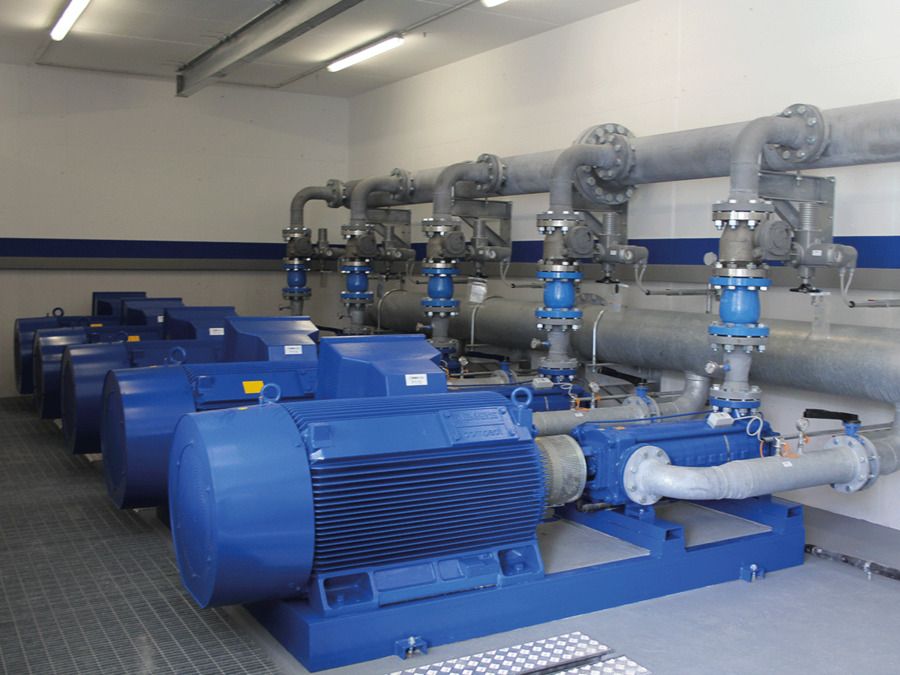
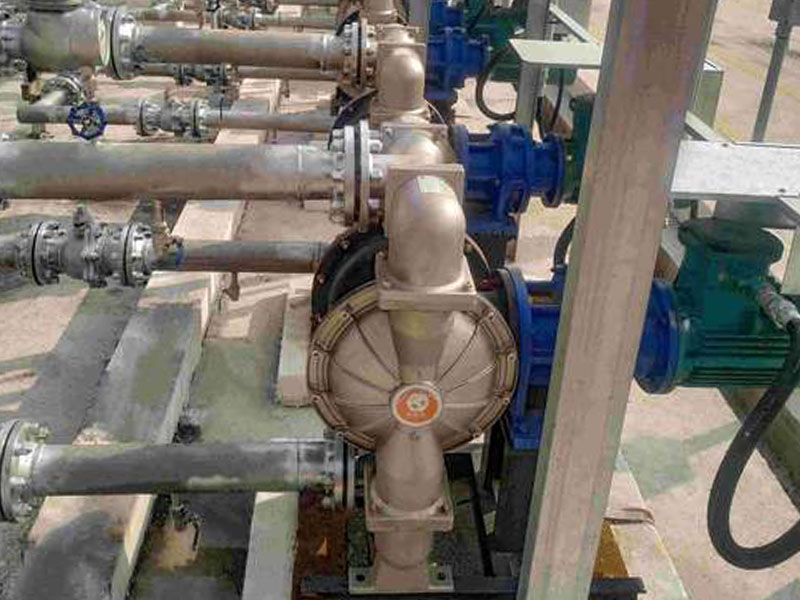
Reverse osmosis pumps inject water into reverse osmosis membranes under high pressure, effectively filtering out dissolved salts, organic matter, microorganisms, and other impurities. The key lies in their ability to sustain stable high pressure conditions over extended periods, ensuring filtration efficiency and water purity. Designed for both durability and energy efficiency, these pumps maintain high performance during prolonged operation. Furthermore, their compact construction facilitates easy installation and maintenance, offering users significant operational convenience. This high pressure pump is specifically engineered for reverse osmosis (RO) systems, playing a vital role within the RO process. Its primary function is to provide stable and sufficient pressure throughout the system, counteracting osmotic pressure and driving water molecules through the semi-permeable membrane. To ensure long-term reliable operation, the internal structure of the reverse osmosis pump undergoes precision machining, offering excellent corrosion and wear resistance, capable of withstanding various complex water quality conditions.


1. Working Principle of Reverse Osmosis Pumps

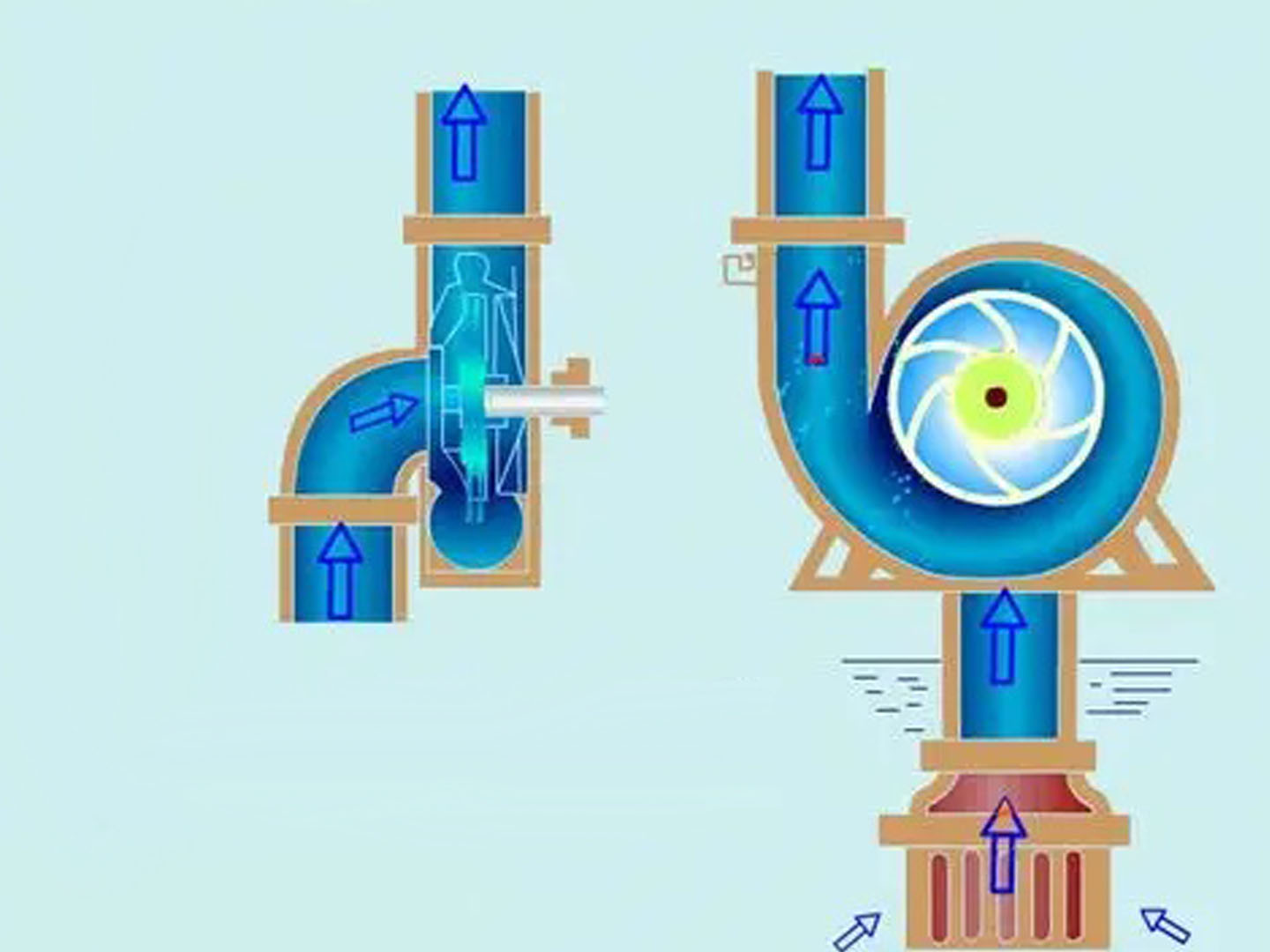
Reverse osmosis pumps utilize the reciprocating motion of a plunger to pressurize and convey fluids. When the plunger retracts, negative pressure forms within the pump chamber, opening the inlet valve and drawing water into the chamber. As the plunger advances, the water within the chamber is compressed, causing pressure to rise rapidly. The outlet valve then opens, delivering the high pressure water stream to the reverse osmosis system. This operating mechanism enables the plunger pump to deliver stable high pressure output, making it highly suitable for applications requiring high pressure and low flow rates. Additionally, due to its simple structure and the use of high performance materials for critical components, the plunger pump demonstrates exceptional efficiency and reliability during operation. It maintains long-term stable performance even under harsh working conditions.


2. Why is the reverse osmosis pump the “heart” of the RO system?

The reverse osmosis pump occupies a central position within the RO system, with its performance directly impacting the operational effectiveness and stability of the entire system. Serving as the driving force propelling water molecules through the semi-permeable membrane, it not only determines water production efficiency but also plays a critical role in achieving water purity. If the RO system were likened to a living organism, the reverse osmosis pump would be its powerhouse heart, continuously supplying energy to the system. Should the pump malfunction, the entire system risks stalling or operating inefficiently, potentially leading to irreversible damage. Therefore, selecting a high-quality reverse osmosis pump is essential for ensuring the long-term, stable operation of the RO system. Furthermore, its reliability and adaptability determine whether the system can maintain high performance under varying operating conditions, further underscoring its indispensable role.


In summary, reverse osmosis pumps play an irreplaceable role in RO systems. Their pivotal position is reflected not only in providing essential pressure support but also in their ability to flexibly adjust output according to actual demand, ensuring the system consistently operates at optimal performance. Moreover, the high efficiency and stable performance of reverse osmosis pumps enable the entire RO system to operate continuously in diverse complex environments, delivering reliable water quality assurance to users. This robust adaptability makes them the preferred equipment for reverse osmosis systems across various industries, seawater desalination projects, and pharmaceutical applications, further cementing their pivotal role as the “heart” of the system. Elephant Machinery offers the optimal selection of reverse osmosis pumps and can also provide customized solutions tailored to your requirements. We welcome your inquiries.

What is a BOP test pump?

2025-11-07

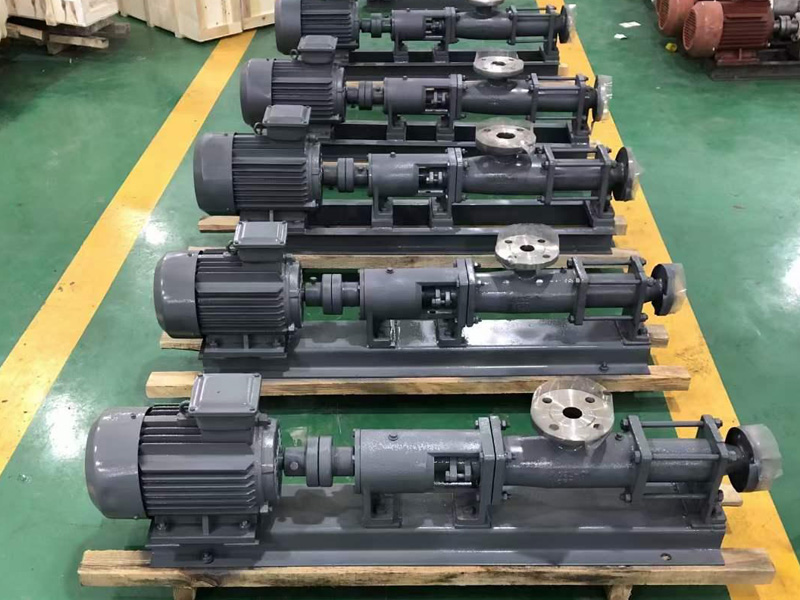
The BOP test pump is a specialized device designed to evaluate the performance of blowout preventer (BOP) at wellheads. By simulating high pressure environments, it assesses the sealing integrity and reliability of BOP, ensuring their safe operation during oil and gas extraction. This test pump typically features high-precision pressure control and data acquisition capabilities, enabling real-time monitoring and recording of critical parameters throughout the testing process to provide reliable data for subsequent analysis.


1. Function

The BOP test pump simulates various pressure conditions to evaluate the performance of blowout preventers under different operational states. It serves as the final and most critical safety barrier against well blowouts. This equipment identifies potential leak points or weak links without damaging the machinery, enabling operators to perform timely maintenance and repairs. Additionally, it supports multiple test modes that can be flexibly adjusted to meet specific operational requirements, ensuring each test achieves the desired outcome. Water is typically used for testing instead of drilling mud because it is clean, incompressible, clearly displays pressure changes, and causes less damage to equipment. Through precise pressure regulation and stable output, the BOP test pump effectively enhances testing efficiency while reducing the risk of human error.

2. Features

Unlike other drilling pumps (such as mud pumps), the BOP test pump is specifically designed for testing operations. Its design emphasizes practicality and reliability, featuring robust adaptability to ensure normal operation under harsh environmental conditions. The primary focus is on generating extremely high pressure rather than large-volume fluid transfer, resulting in lower flow rates. Its compact structure facilitates transportation and installation, making it suitable for diverse field applications. Manufactured using advanced materials and technologies, the equipment ensures long-term durability while reducing maintenance frequency and costs. Additionally, it incorporates multiple safety protection mechanisms to effectively prevent accidents caused by operational errors or unexpected incidents, providing enhanced safety assurance for field operations.

3. Application

BOP test pumps find extensive applications across the oil and gas industry. They are commonly deployed on drilling rigs, onshore wells, and offshore production facilities to conduct periodic inspections and performance verification of blowout preventers. This equipment enables operational teams to perform comprehensive performance assessments before equipment commissioning or during routine maintenance, ensuring compliance with safety standards. Additionally, BOP test pumps can adapt to testing demands in extreme environments, such as high temperatures, high pressures, or corrosive conditions, thereby safeguarding safe operations under complex working conditions. In practical applications, they not only help users meet industry regulatory requirements but also optimize overall operational workflows, reduce downtime caused by equipment failures, and enhance production efficiency.

The BOP test pump is a specialized piece of equipment primarily used for conducting high pressure seal integrity tests on critical well control devices such as blowout preventers. Within the oil and gas industry, the role of the BOP test pump cannot be overlooked. It not only performs initial performance verification on newly installed blowout preventers but also enables periodic inspections after equipment operation to ensure it remains in optimal condition. Elephant Machinery remains committed to providing customers worldwide with convenient, reliable, efficient, and intelligent reciprocating pump products. We offer high-quality BOP test pumps, including high pressure pumps and pressure test pumps.

Why Use Two Color Sorters for Chili Pepper Processing?

2025-11-07

In chili pepper processing, appearance, color uniformity, and cleanliness directly determine the product’s value and market acceptance.
Raw chili peppers often contain stems, stalks, spotted or discolored pods, which cannot be completely removed in a single sorting stage.

To achieve higher precision and consistent quality, GroTech introduces the Dual-Stage Chili Pepper Sorting System — two AI-powered color sorters working in series to ensure exceptional purity and efficiency.

Stage 1: Removing Stems and Large Impurities

The first GroTech color sorter performs coarse sorting.
It efficiently separates:

Chili stems and broken stalks

Peppers with attached handles

Foreign impurities and large debris

After this process, clean and qualified chili peppers are transferred automatically to the second sorting stage.

Two Color Sorters for Chili Pepper Processing

Stage 2: Detecting Spots and Color Variations

The second GroTech color sorter focuses on fine sorting and defect removal.
Using multi-spectral imaging and AI visual recognition, it identifies and removes:

Spotted or blotchy chili peppers

Discolored or sunburned pods

Irregular or deformed peppers

The result is a batch of uniform, bright red, premium-quality chili peppers ready for grading and packaging.

Final Grading for Premium Output

After dual-stage sorting, GroTech systems can grade chili peppers by size and color, meeting the requirements for export, seasoning production, and food processing.
This setup not only improves sorting accuracy but also:
✅ Reduces manual labor costs
✅ Minimizes product loss
✅ Ensures consistent high-quality output

Two Color Sorters for Chili Pepper Processing

Why Dual Sorting Matters

Using two color sorters in series allows each to focus on a specific task — one for impurity removal, the other for defect detection.
This division of labor significantly enhances both throughput and accuracy, ensuring every chili pepper meets top-grade visual and quality standards.

GroTech — Smarter Sorting, Better Quality

With years of experience in optical sorting technology, GroTech provides intelligent solutions tailored for chili pepper processing factories worldwide.
From stem removal to final color grading, GroTech helps manufacturers achieve cleaner, faster, and smarter chili pepper sorting — step by step.

Applications of Cryogenic Motors in the Biomedical Industry

2025-11-04

The combination of "cryogenic" and "biomedical" often points to high-precision, advanced, and high-value technologies. Here, "cryogenic" typically refers to deep cold environments ranging from -40°C to -196°C (liquid nitrogen temperature) or even lower.

First, why are cryogenic motors needed in these applications?

Standard motors face severe challenges in low-temperature environments:

Material Embrittlement: Lubricants solidify, seals fail, plastic components become brittle.

Performance Degradation: Magnet properties change, potentially leading to torque loss and reduced positioning accuracy.

Condensation Issues: When a motor operating in a cold environment returns to room temperature, moisture condenses on its surface, causing short circuits and corrosion.

Therefore, cryogenic stepper motors are specially designed and manufactured products with the following characteristics:

Special Lubrication: Uses specialized greases that maintain lubricity at low temperatures or solid lubricants.

Material Selection: Employs materials with stable mechanical properties at low temperatures, such as specific stainless steels, low-temperature plastics, and composites.

Thermal Design: Accounts for thermal expansion and contraction of materials under extreme temperature variations to prevent structural damage.

Anti-Condensation Treatment: May involve measures like vacuum encapsulation or filling with inert gas.

Main Application Areas of Cryogenic Motors in the Biomedical Industry,Here are several core and rapidly growing application scenarios:

1. Automated Biobanks

This is the most typical and widespread application. Biobanks are used for the long-term storage of biological samples like blood, tissue, DNA, and cells, typically preserved in -80°C ultra-low freezers or -196°C liquid nitrogen tanks.

Application Scenario: In robotic arms or conveyor systems inside ultra-low freezers or liquid nitrogen tanks.

Motor Role: Drives robotic arms for picking, storing, organizing, and retrieving samples.

Technical Requirements:

High Reliability: If the system fails, repairs require warming the entire storage environment, potentially causing the loss of millions of samples with immense cost. Therefore, motors must be extremely reliable.

Precise Position Control: Needs to accurately locate individual test tubes or cryoboxes within dense sample racks.

Continuous Cryogenic Operation: Motors must operate stably 24/7 in deep cryogenic environments without "seizing" or experiencing insufficient torque.

2. Cryogenic Transfer/Dispensing Systems

In pharmaceutical or biological reagent production processes, liquids or semi-fluids need dispensing, capping, sealing, etc., in low-temperature environments.

Application Scenario: Installed on automated production lines within freezing chambers or glove boxes.

Motor Role: Drives pumps, valves, lead screws, and timing belts to achieve precise volume dispensing and container transfer.

Technical Requirements:

Smooth Motion: Avoids splashing of precious biological materials or bubble generation due to jerky movements.

Corrosion Resistance: May be exposed to trace amounts of chemical reagents or biological vapors.

3. Medical Cryogenic Centrifuges

Certain specialized biological separation processes (e.g., separation and purification of cells, viruses, proteins) need to be performed at low temperatures to preserve biological activity.

Application Scenario: Driving the lid open/close mechanism of centrifuges, or driving rotor balancing systems in large centrifuges.

Motor Role: Provides stable, reliable linear or rotary motion, ensuring automation of operations within cryogenic laboratories.

Technical Requirements:

Rapid Response & High Torque: Especially for lid locking mechanisms, sufficient torque and fast action are required.

Low Vibration: Any excess vibration affects centrifuge balance and sample quality.

4. Cryogenic Microscopy and Imaging Systems

To observe dynamic processes or structures of biological samples (e.g., live cells, tissue sections) at low temperatures, microscopes equipped with cooling stages are used.

Application Scenario: Integrated into the movement control system of the cryogenic sample stage.

Motor Role: Drives precision X-Y-Z movement of the stage, focus adjustment, and objective turret switching.

Technical Requirements:

Ultra-High Precision & Resolution: Microstepping control of the motor must be very fine to achieve sub-micron positioning.

Minimal Heat Generation: Heat generated by motor operation must be minimized to avoid affecting the temperature stability of the sample stage and the sample itself.

No Magnetic Interference: Some imaging techniques (e.g., MRI) are highly sensitive to electromagnetic interference, potentially requiring non-magnetic or low-magnetic models.

5. Automated Cryo-Electron Microscopy Sample Preparation

Cryo-EM is a revolutionary technique in structural biology. Its sample preparation process needs to be performed in a vitrified state at liquid nitrogen temperatures.

Application Scenario: In automated plunge freezers or cryo-milling instruments.

Motor Role: Controls critical parameters like the plunge speed of the sample rod, contact force and time of blotting paper, etc.

Technical Requirements:

Extremely High Repeatability: The success rate of sample preparation highly depends on the repeatability of each step.

Compatibility with High & Low Speeds: Requires both rapid plunging and fine micro-adjustment movements.

Future Trends:

With the rapid development of precision medicine, gene therapy, and biopharmaceuticals, the demand for automated and intelligent cryogenic processing equipment is growing increasingly strong. As the core drive component of this equipment, the precision, reliability, integration, and intelligence (e.g., built-in sensor feedback) of cryogenic motors will continue to improve to meet more demanding future application requirements.

5-Axis Stone Cutting Machines Redefining Precision and Possibilities in Stone Processing

2025-11-04

Stone, a material steeped in history and revered for its durability and aesthetic appeal, has long been a cornerstone of architecture, design, and art. Yet, working with stone—especially hard varieties like granite, basalt, and quartzite—has always posed unique challenges. Traditional cutting methods often struggle with complexity, precision, and efficiency, limiting what’s achievable. Enter 5-axis stone cutting machines—a technological leap that’s transforming the stone processing industry by turning once-impossible designs into reality, all while boosting productivity and reducing waste.

5-axis stone cutting machines


The Core Advantages: Why 5-Axis Stands Out for Stone Cutting

To understand the impact of 5-axis stone cutting machines, it’s essential to contrast them with their 3-axis counterparts. While 3-axis machines move along the X, Y, and Z linear axes, 5-axis systems add two rotational axes (usually A and C, or B and C). This extra mobility isn’t just a minor upgrade—it’s a game-changer for stone, a material that demands both care and precision. Here’s how their key features elevate stone cutting:


1. Unrivaled Flexibility for Complex Cuts

Stone projects often require more than straight lines—think curved kitchen countertops, sculpted building facades, or custom stone arches. 3-axis machines hit a wall here: to reach all angles of a complex design, operators must repeatedly reposition the stone, increasing the risk of misalignment and errors. 5-axis machines eliminate this hassle. Their spindle (the component holding the cutting tool) can tilt and rotate freely around the stone, accessing every nook and cranny in a single setup. This means seamless, continuous cuts for organic shapes, intricate reliefs, and even 3D sculptural elements—no more disjointed seams or compromised designs.


2. Pinpoint Precision for Flawless Results

Stone is unforgiving: a tiny miscalculation can ruin an expensive slab. 5-axis stone cutters are engineered for accuracy, with heavy-duty frames that minimize vibration (a major enemy of precision) and advanced feedback systems (such as linear encoders) that ensure cuts are consistent to within 0.005mm. This level of precision is critical for applications like luxury bathroom vanities, where stone slabs must fit perfectly with fixtures, or architectural details that need to match digital blueprints exactly. For example, when crafting a marble tabletop with a curved edge and integrated drainage groove, a 5-axis machine ensures every curve and groove is uniform, with no uneven spots.


3. Reduced Waste, Lower Costs

Stone slabs are costly—wasting even a small section due to a cutting mistake can translate to hundreds or even thousands of dollars in losses. 5-axis machines address this with intelligent tool path optimization. Their software analyzes the stone slab (including natural features like veins or small cracks) and maps out the most efficient cutting route, maximizing the use of the material. Additionally, since there’s no need for repositioning, there’s less risk of accidental damage during handling. Studies show that 5-axis machines reduce stone waste by 20-40% compared to 3-axis systems, a significant saving for businesses operating on tight margins.


4. Versatility Across Stone Types

Not all stones are created equal: marble is soft and porous, granite is dense and hard, and limestone is prone to chipping. 5-axis stone cutting machines adapt to these differences effortlessly. They support a wide range of cutting tools—from diamond-tipped blades for rough shaping to fine engraving tools for delicate details—and their software lets operators adjust key parameters (cutting speed, feed rate, spindle power) based on the stone’s hardness and texture. This versatility means one machine can handle everything from cutting large granite slabs for commercial flooring to carving intricate marble accents for high-end homes.


Real-World Applications: Where 5-Axis Stone Cutters Make a Difference

The flexibility and precision of 5-axis technology have made it a staple in several key industries. Here are some of the most impactful use cases:


1. Architectural and Construction

Architects and construction firms rely on 5-axis machines to create custom stone elements that define a building’s character. For instance, a modern skyscraper might use 5-axis-cut stone facade panels with curved edges and 3D-engraved patterns to stand out from the crowd. Historic restoration projects also benefit: when restoring a centuries-old church with damaged stone columns, a 5-axis machine can scan the original column, then cut a replacement that matches every detail—from the fluting to the decorative capitals—with perfect accuracy.


2. Residential and Commercial Interior Design

Interior designers are using 5-axis stone cutters to craft one-of-a-kind pieces that elevate living and working spaces. In kitchens, this means countertops with seamless curves, built-in cutting boards, or even personalized engravings (like a family’s initials). In hotels and restaurants, 5-axis-cut stone bar tops with organic shapes or marble wall panels with intricate reliefs add a touch of luxury. For example, a high-end hotel in Paris used a 5-axis machine to create a marble reception desk with a flowing, wave-like design—something that would have been nearly impossible to achieve with traditional methods.


3. Memorial and Monument Industry

Memorials, tombstones, and mausoleums require both precision and emotional resonance. 5-axis machines excel here, allowing for detailed engravings of portraits, religious symbols, or even 3D reliefs of loved ones. Unlike hand carving, which can take weeks and may vary in quality, a 5-axis machine can produce a custom tombstone in 1-2 days, with crisp, consistent details that honor the deceased. For a war memorial, 5-axis cutting can also create uniform stone plaques with the names of fallen soldiers—ensuring every name is clear and perfectly aligned.


4. Art and Sculpture

Artists are pushing the boundaries of stone art with 5-axis technology. Sculptors can now translate digital sketches into large-scale stone sculptures with complex, interlocking forms. For example, an artist might design a abstract marble sculpture with twisting curves and hollowed-out sections—details that would be physically exhausting and time-consuming to carve by hand. The 5-axis machine handles the rough cutting, allowing the artist to focus on refining the details, saving time while preserving their creative vision.


The Future of 5-Axis Stone Cutting: What’s Next?

As technology evolves, 5-axis stone cutting machines are becoming even more powerful. Two trends to watch include:

AI-Driven Efficiency: New software uses artificial intelligence to analyze stone slabs in real time, identifying flaws (like cracks or weak spots) and adjusting the cutting path to avoid them. This not only reduces waste but also ensures the final product is structurally sound. AI can also predict tool wear, alerting operators when to replace a blade—preventing errors caused by dull tools.

Integration with 3D Scanning and Printing: Pairing 5-axis machines with 3D scanners lets operators create digital replicas of existing stone pieces, making restoration and customization easier than ever. Some manufacturers are even exploring 3D printing of stone dust (a byproduct of cutting) into new materials, which can then be cut with 5-axis machines—creating a more sustainable, circular process.


Is a 5-Axis Stone Cutting Machine Right for Your Business?

If your business focuses on:

Creating complex, custom stone designs that 3-axis machines can’t handle

Reducing material waste and lowering production costs

Working with a variety of stone types while maintaining consistent quality

Then a 5-axis stone cutting machine is a smart investment. While the upfront cost is higher than 3-axis systems, the long-term savings in time, waste, and labor—plus the ability to take on more complex projects—make it a worthwhile choice for growing businesses.


In the world of stone processing, 5-axis cutting machines aren’t just tools—they’re enablers. They turn bold ideas into tangible, lasting stone creations, whether it’s a skyscraper’s facade, a family’s memorial, or an artist’s masterpiece. As technology continues to advance, the possibilities for what we can create with stone are only going to expand—and 5-axis machines will be at the center of it.

5-Axis Stone Engraving Machines Revolutionizing Stone Fabrication with Precision and Versatility​

2025-11-04

In the world of stoneworking, where durability meets artistry, the tools that shape natural stone have evolved dramatically over the decades. From traditional chisels and hammers to computer numerical control (CNC) routers, each innovation has pushed the boundaries of what’s possible with granite, marble, limestone, and other hard stone materials. Today, 5-axis stone engraving machines stand at the forefront of this evolution, redefining efficiency, precision, and design freedom for craftsmen, architects, and manufacturers alike.​

Stone Engraving Machine

What Makes 5-Axis Stone Engraving Machines Unique?

Unlike 3-axis machines, which operate along the X, Y, and Z linear axes, 5-axis systems add two rotational axes (typically A and C, or B and C). This extra degree of movement isn’t just a “nice-to-have”—it’s a game-changer for stone, a material known for its density and brittleness. Let’s break down their core features and why they matter for stone fabrication:​


1.Unmatched Maneuverability for Complex Shapes​

Stone carving often demands intricate details: curved countertops, sculptural facades, or custom (tombstones) with 3D reliefs. 3-axis machines struggle here—they require repositioning the stone multiple times to access hard-to-reach areas, increasing the risk of errors and material waste. With 5 axes, the spindle (the part that holds the cutting tool) can tilt and rotate around the stone, reaching every angle in a single setup. This means no more manual adjustments, no more mismatched seams, and the ability to create seamless, organic shapes that were once impossible with CNC technology.​


2. High Precision Even on Hardest Stones​

Granite, with a Mohs hardness rating of 6-7, can wear down tools and compromise accuracy if a machine lacks stability. 5-axis stone engravers are built with heavy-duty frames, high-torque motors, and advanced feedback systems that ensure every cut is precise to within 0.01mm. This level of accuracy is critical for applications like kitchen countertops, where tight seams between stone slabs must be invisible, or architectural details that need to match digital designs exactly.​


3. Reduced Material Waste and Faster Production​

Stone is expensive—wasting even a small slab due to a cutting error can cost hundreds of dollars. 5-axis machines minimize waste by optimizing tool paths: their software calculates the most efficient way to carve, avoiding overcuts and ensuring maximum use of each slab. Additionally, since they don’t require repositioning, production times are cut by 30-50% compared to 3-axis machines. For manufacturers handling large orders, this speed translates to faster turnaround and higher profit margins.​


4. Compatibility with Diverse Stone Types​

Whether you’re working with soft marble (ideal for sculptures) or dense basalt (used in outdoor paving), 5-axis machines adapt. They support a range of cutting tools—from diamond-tipped end mills for fine detailing to large routers for rough shaping—and their software allows operators to adjust parameters (speed, feed rate, spindle power) based on the stone’s properties. This versatility means one machine can handle multiple projects, from delicate art pieces to heavy-duty construction components.​


Real-World Applications: Where 5-Axis Stone Engravers Shine​

The flexibility of 5-axis technology makes it indispensable across several key industries. Here are some of the most impactful use cases:​


1. Architectural Stonework​

Architects and builders rely on 5-axis machines to create custom stone elements that elevate a building’s design. Think curved stone columns for a historic-style museum, 3D-engraved facade panels for a modern office tower, or intricate cornices that replicate classical designs. 


2. Custom Furniture and Interior Design​

Kitchen and bathroom designers are using 5-axis machines to craft one-of-a-kind countertops with curved edges, integrated sinks, or even personalized engravings (like family crests or quotes). In luxury homes, marble fireplace surrounds with sculpted floral patterns or granite coffee tables with organic, flowing shapes are now easier to produce—all thanks to the machines’ ability to carve complex curves without seams.​


3. Memorial and Monument Creation​

Tombstones, mausoleums, and war memorials require both precision and sentimentality. 5-axis engravers can etch high-resolution portraits, detailed religious symbols, or even 3D reliefs of loved ones into stone—something that was once only possible with skilled hand carvers (and took weeks to complete). Today, a memorial company can produce a custom tombstone in 1-2 days, with details that honor the deceased more accurately than ever before.​


4. Art and Sculpture​

Contemporary artists are pushing the limits of stone art with 5-axis technology. Sculptors like Italy’s Marco Guazzini use 5-axis machines to create abstract marble pieces with smooth, interlocking curves that would be physically impossible to carve by hand. The machines allow artists to translate digital sketches directly into stone, preserving their creative vision while saving time on labor-intensive rough work.​


The Future of Stone Fabrication: What’s Next for 5-Axis Tech?​

As technology advances, 5-axis stone engraving machines are only getting better. Here are two trends to watch:​


AI-Powered Tool Path Optimization: New software uses artificial intelligence to analyze stone slabs (including natural flaws like veins or cracks) and adjust tool paths in real time. This not only reduces waste but also ensures that flaws are hidden in non-visible areas of the final product.​


Integration with 3D Scanning: Pairing 5-axis machines with 3D scanners allows for “reverse engineering” of existing stone pieces. For example, if a historic building’s stone window sill is damaged, a scanner can capture its exact dimensions, and the 5-axis machine can carve an identical replacement—no manual measurements needed.​


Is a 5-Axis Stone Engraving Machine Right for You?​

If you’re a stone fabricator, artist, or architect looking to:​

Create complex, seamless designs that 3-axis machines can’t handle​

Reduce material waste and speed up production​

Work with a wide range of stone types without compromising precision​

Then a 5-axis stone engraving machine is an investment worth considering. While the initial cost is higher than 3-axis systems, the long-term savings in time, waste, and labor more than make up for it.​


In the end, 5-axis technology isn’t just about making stoneworking easier—it’s about unlocking the full potential of stone as a material. Whether you’re building a skyscraper, designing a home, or creating a work of art, these machines are helping turn bold ideas into tangible, lasting reality.

Stone Profiling Machines Challenging Stone Processing with Precision and Efficiency​

2025-11-04

When it comes to stone processing—whether for grand architectural projects or intricate decorative pieces—precision, consistency, and efficiency are non-negotiable. This is where stone profiling machines step in, transforming raw stone blocks into polished, custom-shaped products that define modern design.

stone profiling machines

1. Core Functional Features of Stone Profiling Machines​

Stone profiling machines are engineered to handle the unique hardness and texture of natural and engineered stones (e.g., marble, granite, quartz, limestone). Their key functions are tailored to simplify complex shaping tasks while maintaining accuracy:​


1).Custom Shaping & Profiling: The primary function is to create precise, repeatable profiles on stone edges or surfaces. This includes straight edges, bevels, arcs, bullnoses, ogees, and even intricate decorative patterns (e.g., floral motifs or geometric designs). Unlike manual tools, which rely on human skill and often produce inconsistent results, these machines use pre-programmed templates or CAD designs to replicate shapes flawlessly across hundreds of pieces.​


2).Multi-Axis Processing: Advanced models feature 3-axis, 4-axis, or even 5-axis systems, allowing them to work on multiple sides of a stone block simultaneously. This capability is critical for 3D stone products, such as curved countertops, column capitals, or sculptural elements, where precision across all dimensions is essential.​


3).Integrated Polishing: Many modern stone profiling machines combine shaping and polishing in one workflow. After cutting or profiling, built-in polishing heads (with varying grits) smooth the stone surface to a high gloss, eliminating the need for separate equipment and reducing production time.​


4).Automated Material Handling: To boost efficiency, most machines include automated conveyors, clamps, or robotic arms that load/unload stone slabs. This minimizes manual labor, reduces the risk of injuries, and ensures consistent processing speeds.​


5).Real-Time Monitoring & Adjustment: Equipped with sensors and cameras, these machines track cutting depth, pressure, and surface quality in real time. If deviations are detected (e.g., a stone slab with uneven thickness), the system automatically adjusts parameters to maintain precision—avoiding wasted materials and rework.


2. Technical Advantages That Outperform Traditional Methods

Traditional stone processing relies on hand tools (e.g., chisels, grinders) or basic machines, which are slow, labor-intensive, and prone to errors. Stone profiling machines address these limitations with cutting-edge technology, offering unmatched benefits:


1).Superior Precision: Using CNC (Computer Numerical Control) technology, these machines achieve tolerances as tight as ±0.1mm. This is critical for projects like kitchen countertops (where edges must align perfectly) or historical building restorations (where stone pieces must match original designs).


2).Unmatched Efficiency: A single stone profiling machine can process 5–10 times more stone than a team of manual workers. For example, profiling the edges of 10 marble countertops might take 8 hours manually, but a CNC profiling machine can complete the task in 1–2 hours—freeing up labor for other high-value tasks.


3).Reduced Material Waste: Manual cutting often results in 15–20% material waste due to human error. With pre-programmed designs and real-time adjustments, stone profiling machines cut waste to 5% or less. This is a significant cost-saver, especially for expensive stones like rare granite or marble.


4).Versatility Across Stone Types: Whether working with soft limestone or ultra-hard granite, these machines adapt to different material properties. They adjust cutting speed, blade pressure, and polishing grits based on the stone’s hardness, ensuring optimal results without damaging the material.


5).Consistency at Scale: For large projects (e.g., hotel lobbies, shopping malls, or residential complexes), consistency is key. Stone profiling machines replicate the same profile across every stone piece—no matter how many are produced. This eliminates the “handmade” variation that can ruin the aesthetic of a cohesive design.


6).Ease of Use & Programming: Modern machines come with user-friendly interfaces that allow operators to upload CAD designs, adjust parameters, or save templates with just a few clicks. Even operators with minimal technical experience can learn to use them quickly, reducing training time and human error.


3. Key Application Scenarios in the Stone Industry

1).Architectural Curved Decoration: Processes arc plates for building exteriors/interiors, such as curved wall claddings, circular column casings, and arc cornices, enhancing architectural aesthetics.​


2).Countertop & Vanity Edge Arc Processing: Creates curved edges (e.g., bullnose, half-round arcs) on stone countertops (marble, granite) and vanity tops, ensuring safe use and sleek appearance.​


3).Landscape Curved Elements: Fabricates arc-shaped stone components like curved garden benches, circular fountain rims, and arc paved borders, fitting natural landscape layouts.​


4).Tombstone Curved Details: Adds arc plates to tombstones/memorials, such as curved top edges or arc decorative panels, enriching the memorial’s design.​


5).Curved Stone Artworks: Produces arc-structured stone crafts (e.g., curved figurine bases, circular decorative plates) for artistic displays, leveraging precise arc processing.


Final Thoughts: Why Stone Profiling Machines Are a Must-Have​

In an industry where precision, efficiency, and cost-saving matter, stone profiling machines are no longer a luxury—they’re a necessity. They eliminate the limitations of manual processing, reduce waste, and open up new possibilities for design (e.g., complex 3D shapes that were once impossible to achieve). Whether you’re a large-scale stone manufacturer or a small artisan, investing in a stone profiling machine can help you stay competitive, meet client demands faster, and deliver high-quality products that stand out.​


As technology continues to advance, we can expect even more innovations in stone profiling—from AI-powered design tools to faster processing speeds. For now, though, these machines are already transforming the stone industry—one precise cut at a time.

Tags
#tt