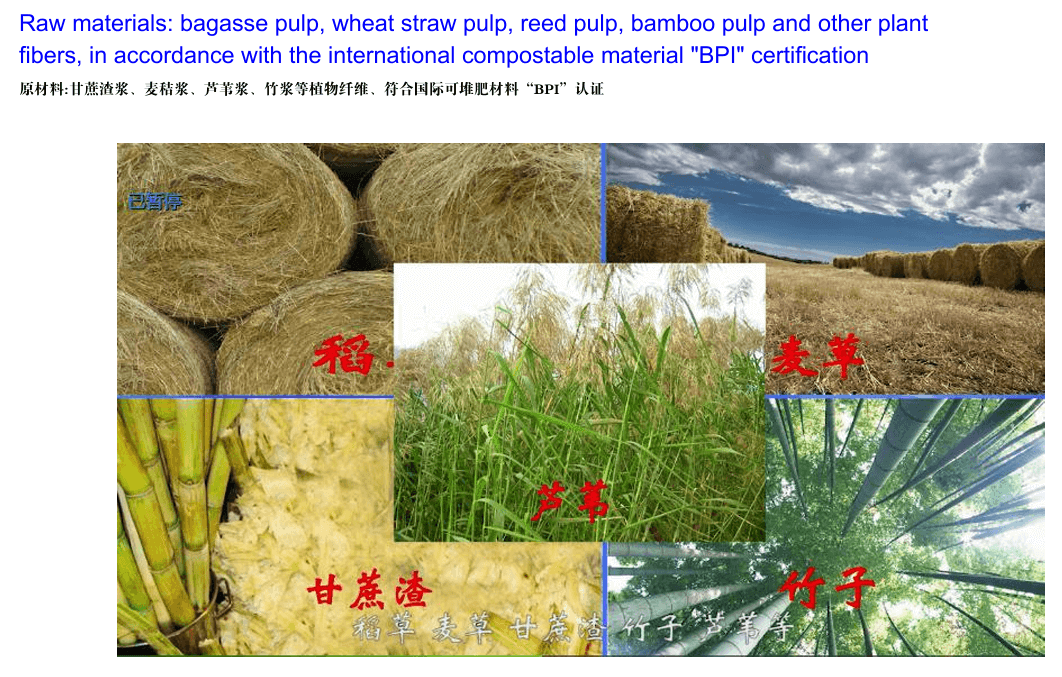
And it affect our life .Paper cups,paper bowl ,paper pulp food container..
Introducing our revolutionaryDisposable Paper Tableware - the perfect combination of convenience and sustainability!
Say goodbye to traditional tableware and hello to a more eco-friendly option that only makes your life easier but also helps protect the environment. Our Disposable Paper Tableware is not just a trend, it's a lifestyle choice that will have a positive impact on the world around us.
From stylish paper plates to durable paper cups, our range of disposable tableware is designed to meet all your needs. Whether you're hosting a party, enjoying a picnic in the park, or simply looking for an easy clean-up solution, our products are here to make your life simpler and more convenient.
Ditch the hassle of washing dishes and switch to our Disposable Paper Tableware today. Join the movement towards a greener future and experience the benefits for yourself. Make a statement with your choice and show the world that you care about both style and sustainability. Choose our Disposable Paper Tableware and let it function on life in the most efficient and impactful way possible.
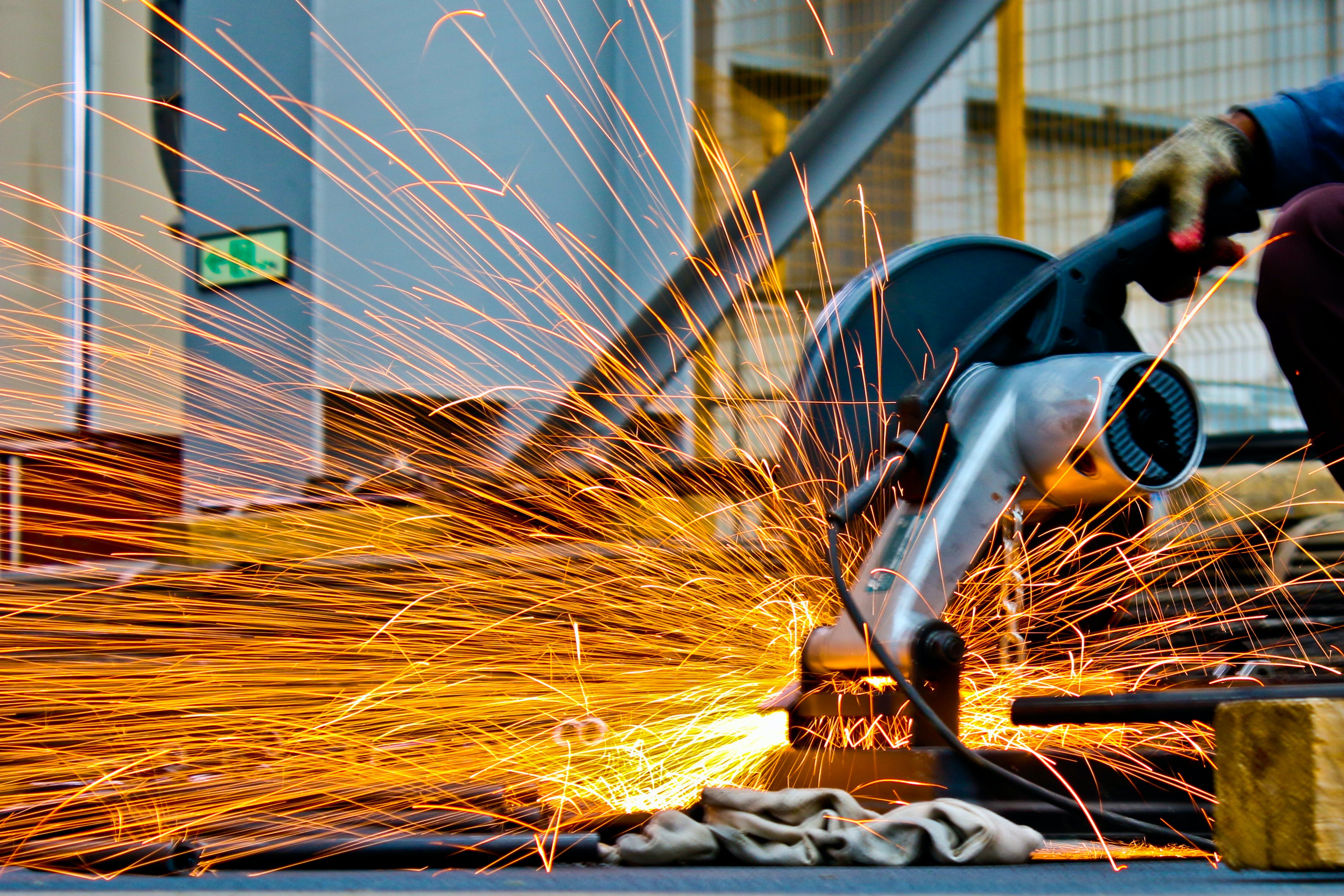
Milling requires a choice between control and craftsmanship. Both CNC and manual machines cut, but only different. Which one is up to you, based on the project’s needs?
CNC milling provides speed, accuracy, and repeatability. You click a button, and the code dictates each step. It can’t be beaten for big runs and tight specs.
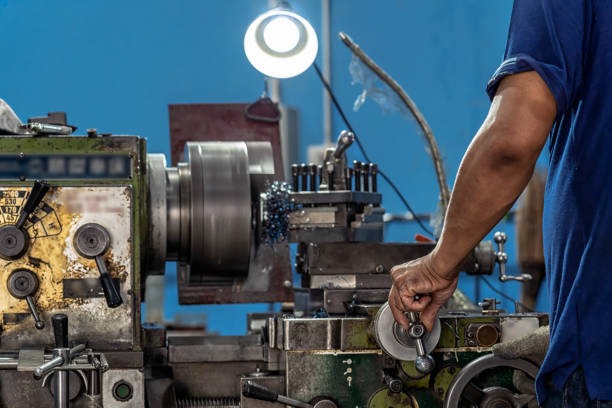
Hands-on milling allows you to feel, control, and be flexible. You are manual and react in real time. For prototypes or repairs, it’s still a shop necessity.
Both machines have the same purpose of shaping metal, but your goals determine the choice. In this guide, we will discuss how they are different and what they are best at.
What is CNC Milling?
CNC milling is a computer-controlled procedure. A rotating tool cuts material from a workpiece. The computer has a set of instructions for each cut.
Three to five axes can be worked on by CNC milling. This allows the machine to make intricate shapes and perfect cuts. It is applied by industries including aerospace, automotive, and electronics.
Different materials, like metals and plastics, can be processed through CNC milling. It is a rapid, accurate, and reproducible process. It is perfect for manufacturing complex parts with exact specifications.
Benefits of CNC Milling
High Precision and Accuracy
CNC milling provides tight tolerances and accurate cuts. The machine does what it has been taught to the letter. This minimizes errors and makes each part fit to specifications.
You get consistent, high-quality results. There are no variations of parts, all parts being equal. Such precision is imperative for aerospace components and medical devices.
Increased Productivity and Efficiency
CNC milling minimizes labor and increases production. The machine operates automatically, continuously, and consistently. This enhances output at reduced labor cost.
It is possible to operate several machines at a time, hence productivity is enhanced. Downtime is also minimized, which translates to more parts in less time through CNC milling.
Complex Shapes Made Easy
CNC milling is good at building complex shapes. It is easy to achieve high-resolution cuts, holes, and contours. It does not struggle with either elementary or complex designs.
Unlike manual milling, CNC machines can handle 3D geometries. This makes CNC milling perfect for intricate, unique parts.
Reduced Human Error
Manual milling requires a lot of human manipulation. Human error can cause errors and waste of materials. CNC milling takes the risk out of this process by automating it.
The machine obeys the programmed instructions accurately all the time. This consistency translates to fewer defects and better product quality, we spend less time and money.
Works with Many Materials
CNC milling can process numerous materials. Regardless of whether it is metal, plastic or composite, the machine can adjust with ease. For each type of material, settings can be altered in various settings.
This makes CNC milling flexible for many industries. You can make parts from materials that have different hardness or complexity. CNC milling is flexible to almost any project that you require.
When To Choose CNC Milling Operation
1. If precision and accuracy are important for your parts, choose CNC milling.
2. Use CNC milling if you have complex shapes or designs that cannot be handled by manual machines.
3. CNC milling is applicable when you find yourself in a situation where you ought to produce parts in large quantities, where quality is the same.
4. If you need to avoid human error and materials wastage, then CNC milling is the best choice.
5. Such industries as aerospace, automotive, and medical are where CNC milling is perfect due to very close tolerances.
6. CNC milling is a process that enters into its own if you need to use lots of materials, from metals, plastics to composites.
7. Choose CNC milling if you do not want to sacrifice quality in a bid to speed up production.
8. It is also appropriate where you need to be flexible in your designs, in which one can adjust or change during the production process.
What Is Manual Milling?
Milling is a machining process that is made in a manual operation where the movement of the cutting device and the workpiece is controlled manually by the hand. In contrast to the CNC milling which is automated, manual milling requires skills of the operator to set the machine and the guide the tool.
In the case of manual milling, the operator moves the work piece over the bed of the machine while the cutting tool rotates to remove the material. The operator has manual control over the feed rate, cutting depth, and tool changes which allows for accuracy of cuts without attention from the operator.
Manual milling is a representative method for small series, repair work, or special components that do not benefit from the automation of CNC machines. It’s effective for ordinary tasks, and flexibility begins to play its part, but with an expert operator for the best outcome.
Pros of Manual Milling
1. Cost-Effective for Small Runs: Manual milling machines are also cheaper to purchase as compared to CNC machines. Therefore, it is good for small production runs or one-off parts.
2. Flexibility: You are in total control of the process. This makes it easy for you to make adjustments and customizations during production.
3. No Need for Programming: Unlike CNC Milling, there is no need to use complex programming. So, it is easier to initiate a project without software.
4. Skill Development: Working on a manual mill improves machining abilities and understanding of the machining process, which is beneficial for hands-on engineers.
Cons of Manual Milling
1. Slower Production Speed: Manual milling is more operator-dependent. Thus, it is slower compared to automated CNC milling, particularly for large quantities.
2. Higher Risk of Human Error: Since the operator inadvertently adjusts the machine leaves room for mistakes like wrong measurements or feed rates.
3. Limited Precision: Although manual mills can do it with precision, they are less accurate and are not as repeatable compared to CNC mills, especially for complex parts.
4. Labor-Intensive: Manual milling is a labor-intensive process. It requires constant monitoring and exertion on the part of the operator. It often leads to high labor costs and operator fatigue on production runs that are extensive in their duration.
When To Choose Manual Milling?
● Use manual milling for low-volume production runs or individual custom parts that are not worth the price of a CNC machine.
● Go for manual milling when using simple designs that do not require complex shapes and high precision.
● Use manual milling if you need quick adjustments or tweaks during production because it lets you have direct control.
● If you have fewer resources or budgetary restrictions, manual milling can be a cheaper alternative to basic machining functions.
● Select manual milling for repairs or small projects that do not require massive amounts of incredibly detailed parts.
● Manual milling is suitable for when you want to build or enhance hands-on machining skills or know more about the process.
● If the project is flexible and involves adjustment of settings or tools on the fly, manual milling provides more hand-on control as compared to automated systems.
Major Distinctions Between Manual Milling and CNC Milling
CNC milling and manual milling may appear the same, but the differences are enormous. They affect your efficiency, part quality, as well as your shop’s flow.
Let us look at these differences in simple terms. The machine that you select is dependent on your needs and speed of results required.
Automation vs. Manual Control
CNC mills are controlled by pre-programmed code, which means that the tool can work perfectly without a single mistake. The speed, feed, and depth are controlled automatically by the machine. After setting, you load parts and monitor.
Automation enables you to work more machines or longer production cycles. CNC offers precision and repeatability, which translates to close tolerances on all parts produced.
Manual milling is hands-on. With your hands, you regulate the speed, feed rate and depth of cut of the tool. Every adjustment requires your attention. It's slower but offers flexibility.
When being on manual control, you act immediately upon wear of tools and changes in the material. This gives the manual mills a viable use in custom work or parts that are produced only once. However, it’s labor-intensive.
Complexity of Operations
CNC milling performs well in intricate and elaborate components. Without complex contours to 3D shapes, CNC machines do it all. The machine can also switch tools automatically and perform complex movements.
You do not need to work on the workpiece physically. Rather, it is programmed in advance for a number of operations and, thus, is suitable for a high degree of precision.
It is better to use Manual mills for easier single step operations. You can provide corrections for more complex tasks but not so easy to lead to the same level of consistency as you would with the CNC.
Every movement must be thoughtfully positioned by the operator, and it becomes easier to introduce human error into the equation. Nonetheless, for standard components and prototypes, manual milling provides flexibility and low-set-up time.
Speed and Efficiency
When the machine is set up, it runs unsupervised, a faster turnaround time with minimal downtime. Multi-tasking operations provide higher production rates, hence, CNC is more appropriate for large batches.
Since the machine operates along pre-designed paths, materials wastage is low, and you save time too. When it comes to high-volume projects, CNC is the most productive technique.
Hand mills need scrutiny and operational skills. A single operation can be done, and this makes the process slow. It also has a longer time to set up each part.
However, depending on small volumes, hand milling is convenient for prototyping or repair work. You also make the cost of CNC programming for trivial tasks less expensive.
Cost of Operation
CNC machines are costly both to buy and to maintain. They need competent technicians for installation and programming. However, the cost per part is much lower with larger runs.
These long-term savings are achieved due to mass production, repetition, and waste reduction. The cost of operation reduces as efficiency increases, with fewer human errors.
Manual mills are cheaper up front and do not require complicated software or programming. However, the operator’s labor is more costly per part, and even more so for larger production volumes.
Manual mills are also economical for low-volume jobs, but not convenient for high-demand production jobs. For high precision or speed project, the cost associated with the overall project increases as there is slower output and a lot of human involvement.
Skill Level Required
Running a CNC mill presupposes knowledge of G-code programming and the setup of a machine. Although the machine is automated, the operator is required to know the system and the means of troubleshooting.
CNC operators should possess a good knowledge of CAD/CAM software, toolpath creation, and machine diagnostics in order to ensure they do not make mistakes. The skill set to acquire is very niche.
A lower level of technical training is needed for manual milling than CNC. Operators should know how to use tools, change feeds, speeds, and how to measure the work piece. It is experience and not programming knowledge that makes a manual mill operator efficient.
For new machinists or a small shop, manual mills are easier to train on. They are an excellent beginning to any machining skills, with a transition to more automated systems.
Table Summary: CNC Milling vs Manual Milling
Factors
CNC Milling
Manual Milling
Control
Computer-operated
Hand-operated
Precision
Very high
Depends on operator
Speed
Fast and consistent
Slower, needs attention
Complexity
Handles complex shapes easily
Best for simple shapes
Setup
Needs programming
Quick and simple
Labor
Less manual effort
Fully hands-on
Cost
High upfront, low per-part
Low setup cost
Best Use
Large runs, precise parts
Small jobs, custom fixes
Final Verdict
CNC and manual milling are vital operations in machining. Each technique has its strengths, which are unique depending on your needs. Automation, precision, and speed are brought by CNC milling. The manual milling is flexible, convenient, and hands-on.
If you are considering working with big batches or complex shapes, then CNC is the obvious choice. It eliminates human errors, boosts output, and can be replicated. In cases where the job entails less complexity, repairs, or for a short run, manual milling is still viable.
It all depends on a project, funds available and your skill level when it comes to the selection of the approach. Think about the volume, accuracy, and complexity that you need. Then match the most suitable milling process.
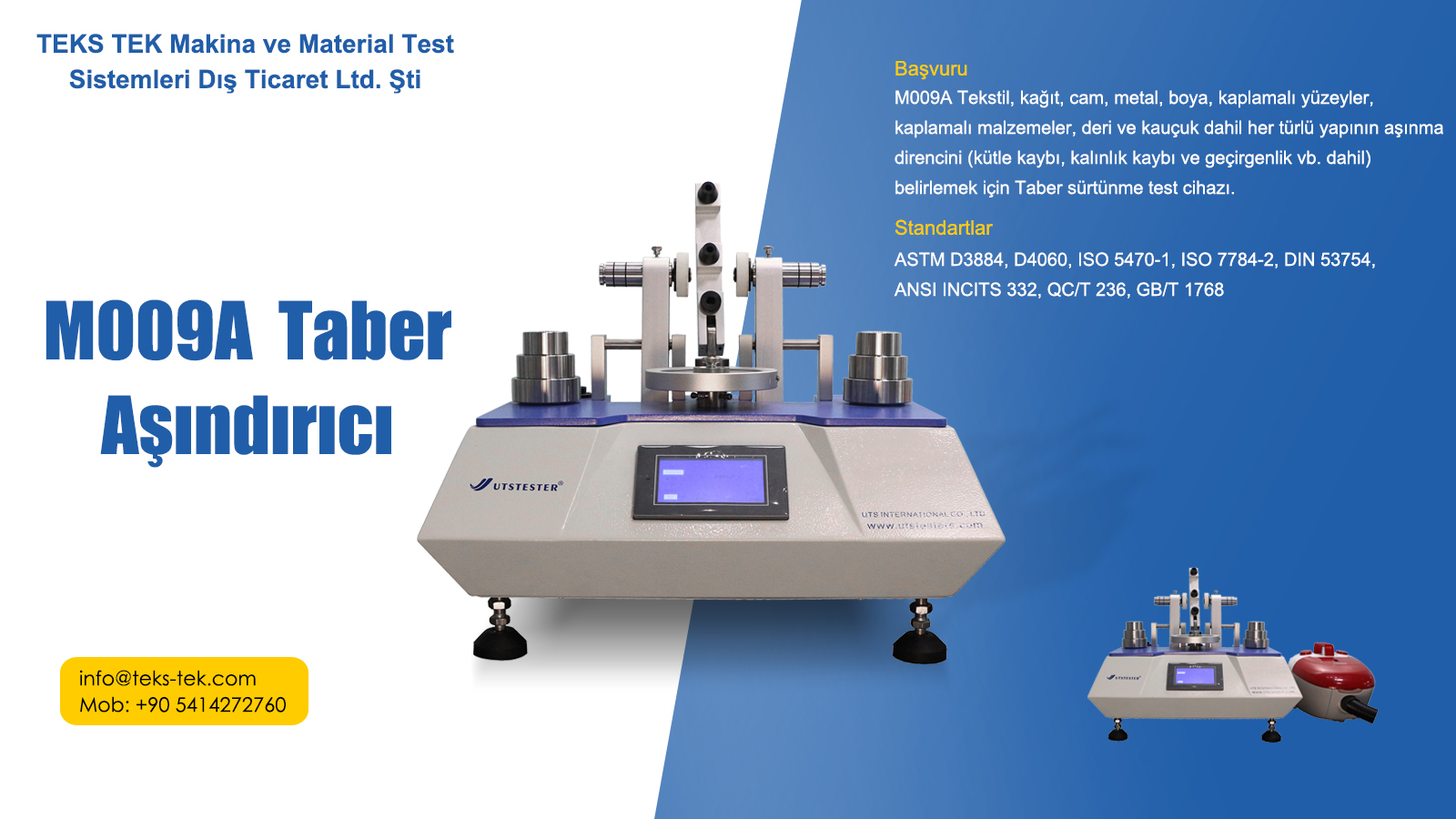
Taber Tester (Taber Abrasion Tester) is a key testing equipment widely used in the textile industry, mainly used to evaluate the abrasion resistance, pilling resistance and surface durability of fabrics. Its precise quantitative testing capability provides an important basis for textile quality control, product development and industry standard certification. The following are the main uses of Taber Tester in the textile industry:
1. Evaluate the wear resistance of fabrics
(1) Simulate real wear environment
The Taber tester simulates the wear of fabrics in daily wear, washing, friction and other environments by rotating friction.
It is suitable for all kinds of textiles, such as clothing fabrics (cotton, polyester, wool, etc.), home textiles (sheets, sofa covers), industrial fabrics (tents, canvas), etc.
(2) Quantifying the wear resistance level
The wear resistance level of the fabric is determined by calculating the mass loss (unit: mg) after a certain number of friction cycles or observing the degree of surface wear.
For example:
Highly wear-resistant fabrics (such as work clothes and military uniforms) need to withstand a higher number of cycles (such as 10,000 times) without obvious wear.
Low wear-resistant fabrics (such as silk and lace) may be significantly damaged after 1,000 friction cycles.
2. Test the anti-pilling performance
(1) Evaluate the changes in the fabric surface
During the friction process, the fabric surface may form pilling due to fiber breakage and entanglement, affecting the appearance and feel.
The Taber tester can be combined with standard ratings (such as ISO 12945-2, ASTM D4970) for anti-pilling testing.
(2) Optimize the textile process
Optimize product design by comparing the test results of different fiber compositions, weaving methods or finishing processes (such as anti-pilling additive treatment).
3. Testing the durability of special textiles
(1) Automotive interior materials
Seat fabrics, seat belts, car roofs, etc. need to withstand long-term friction. Taber testers can simulate the wear and tear after long-term use.
(2) Protective clothing and functional textiles
Fire suits, medical protective clothing, etc. need to maintain durability in extreme environments. Testing their wear resistance can ensure their service life.
(3) Carpets and decorative fabrics
Evaluate the degree of wear of carpets after long-term trampling and optimize fiber selection (such as nylon vs. polypropylene).
4. Comply with international testing standards
Taber testers are widely used in textile testing laboratories around the world and comply with many international standards, such as:
Material screening: Select the most cost-effective raw materials by comparing the wear resistance data of different fabrics.
Process improvement: such as adjusting yarn density and finishing process (such as resin treatment) to improve wear resistance.
Reduce return rate: Ensure that products meet industry standards and reduce customer complaints caused by quality problems.
Conclusion
The application of Taber tester in the textile industry covers abrasion resistance testing, anti-pilling evaluation, durability analysis of special textiles and other aspects, providing a scientific basis for product quality control, R&D optimization and industry certification. Its precise testing methods and wide standard applicability make it an indispensable equipment for textile enterprises, testing institutions and R&D centers.
With the data support of Taber tester, textile enterprises can improve product competitiveness, reduce quality risks and meet the needs of different markets.
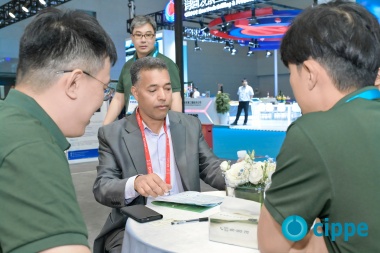
Elephant Machinery recently welcomed representatives from Sudan's energy sector and the Sudan National Petroleum Pipeline Company for a factory visit and inspection of the ordered CBW-2800 crude oil transfer pumps.
The equipment underwent rigorous testing, with all items passing acceptance in a single attempt.
Elephant Machinery is honored to receive recognition in the international petroleum equipment industry. In our pursuit of innovation in reciprocating pump applications, we remain committed to our founding principles: reliability, durability, and user-friendly operation. We listen to every customer’s feedback, integrating their needs into our designs, and crafting reciprocating pump solutions with craftsmanship—delivering convenience, reliability, efficiency, and intelligence.
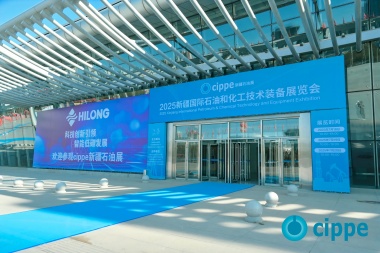
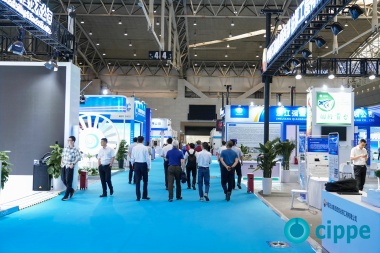
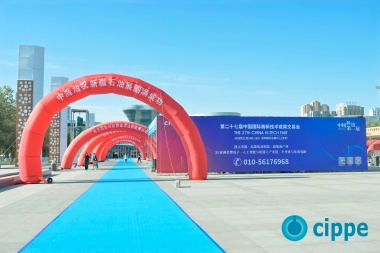
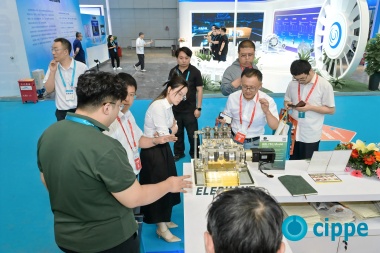
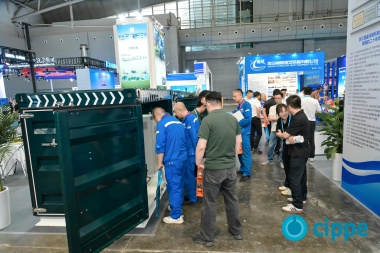
From July 18 to July 20, Elephant Machinery will be at Booth E4020 at the Urumqi Xinjiang International Petroleum and Chemical Technology and Equipment Exhibition to meet with you and discuss business opportunities.
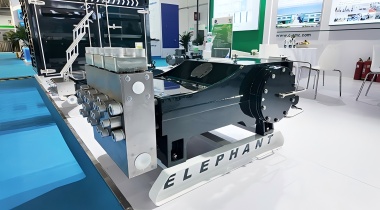
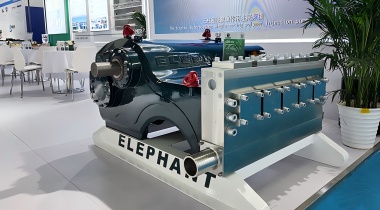
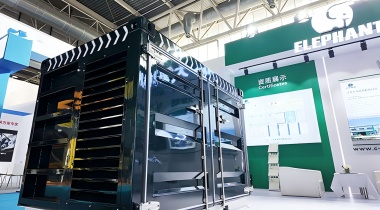
At this event, we showcased our DS200 triplex pump, DW400quintuplex pump, and DXBH-66 intelligent unmanned pump skid, and discussed cutting-edge reciprocating pump technology in the petroleum industry with attendees.
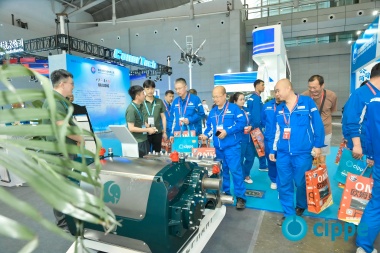
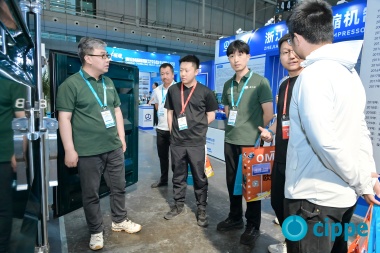
On the first day of the exhibition, a long line formed at the Elephant Machinery booth, attracting many domestic and international visitors to stop and chat.
As a key hub along the Belt and Road Initiative, Xinjiang serves as a “super transit hub” for Elephant Machinery to expand its reach into Central Asia, Eastern Europe, and North Africa.
Elephant Machinery is committed to building a world-class brand in reciprocating pumps, adhering to the principle of “product is king,” and deeply engaging in the energy infrastructure market along the Belt and Road Initiative to support the thriving development of global oil and gas exploration and production. The company continuously updates and improves its products, dedicated to providing global customers with more convenient, reliable, efficient, and intelligent reciprocating pump solutions.
The jet pump and the plunger pump are two different types of pumps, with the main differences reflected in the following aspects:
1.Working Principle
Jet Pump: It is a fluid pressurization device that primarily utilizes high-pressure working fluids (water, air, steam) to generate a high-speed jet through a nozzle, which enters a high-pressure chamber, thereby increasing the pressure to meet operational requirements. It relies entirely on the dynamic motion between fluids. It has strong self-priming capability and can handle gas-liquid mixed fluids.
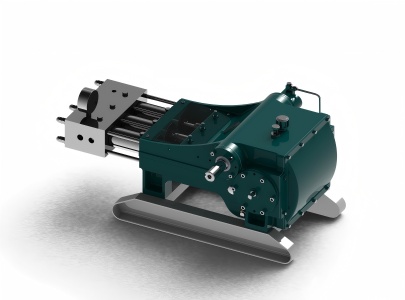
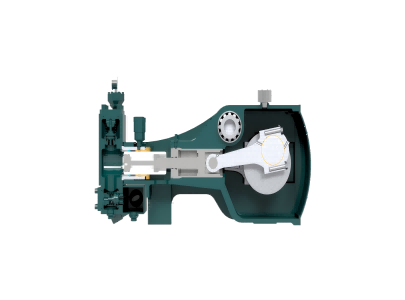
Plunger Pump: The motor drives the pump's crankshaft to rotate via large and small pulleys and a narrow belt. The crankshaft then drives the connecting rod and plunger to perform reciprocating motion. When the plunger moves backward, the inlet valve opens, allowing liquid to enter the pump body until the plunger reaches its rearmost position (180° rotation of the crankshaft), completing the suction process. The plunger then begins to move forward, compressing the liquid in the pump's valve chamber, increasing the pressure. As a result, the inlet valve closes, and the discharge valve opens, allowing the liquid to be pushed out by the plunger through the discharge valve. The flow rate can be adjusted by changing the size of the plunger.
2.Structural Differences
Jet Pump: Simple in structure, primarily generates power through fluid movement, with lower maintenance costs in the long run (no vulnerable parts) and lower sealing requirements.
Plunger Pump: Mainly generates power through the reciprocating motion of the plunger. Compared to the jet pump, it has higher long-term maintenance costs and extremely high sealing requirements to prevent plunger leakage.
3.Application Scenarios
Jet Pump: Deep well water extraction, chemical industry (capable of transporting corrosive media,etc).
Plunger Pump: High-pressure cleaning, petroleum industry (mud pump, water injection pump, etc.), water well drilling, etc.
The jet pump primarily relies on hydrodynamic force for operation, making it suitable for simple working conditions and offering corrosion resistance. On the other hand, the plunger pump operates through the reciprocating motion of a plunger, making it ideal for high-pressure, high-efficiency, and stable-flow applications. You can choose the appropriate pump based on different working conditions and requirements. Elephant Machinery offers both plunger pump and jetting pump in our product lineup. Visit our website (www.elephantmudpump.com) to select the product you need—we will be your trusted partner!
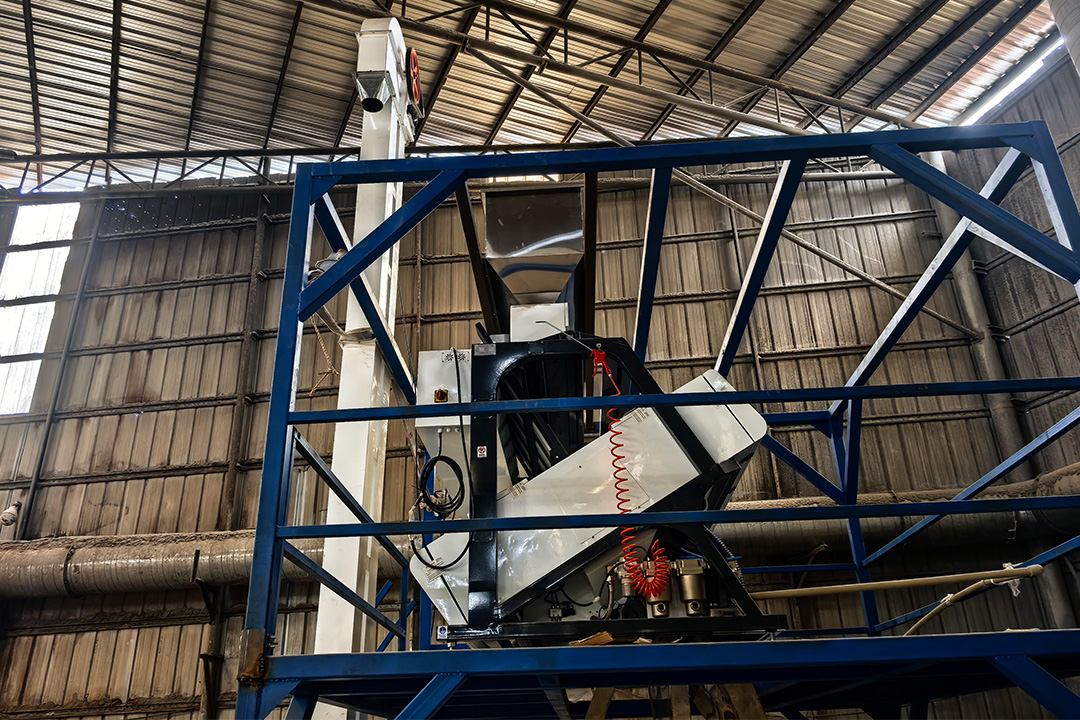
In today's era of increasing resource recycling and environmental awareness, glass color sorters, as highly efficient and intelligent sorting equipment, are being widely applied in the recycled glass recovery sector. They enhance sorting precision and efficiency, propelling the industry towards greater intelligence and sustainability.
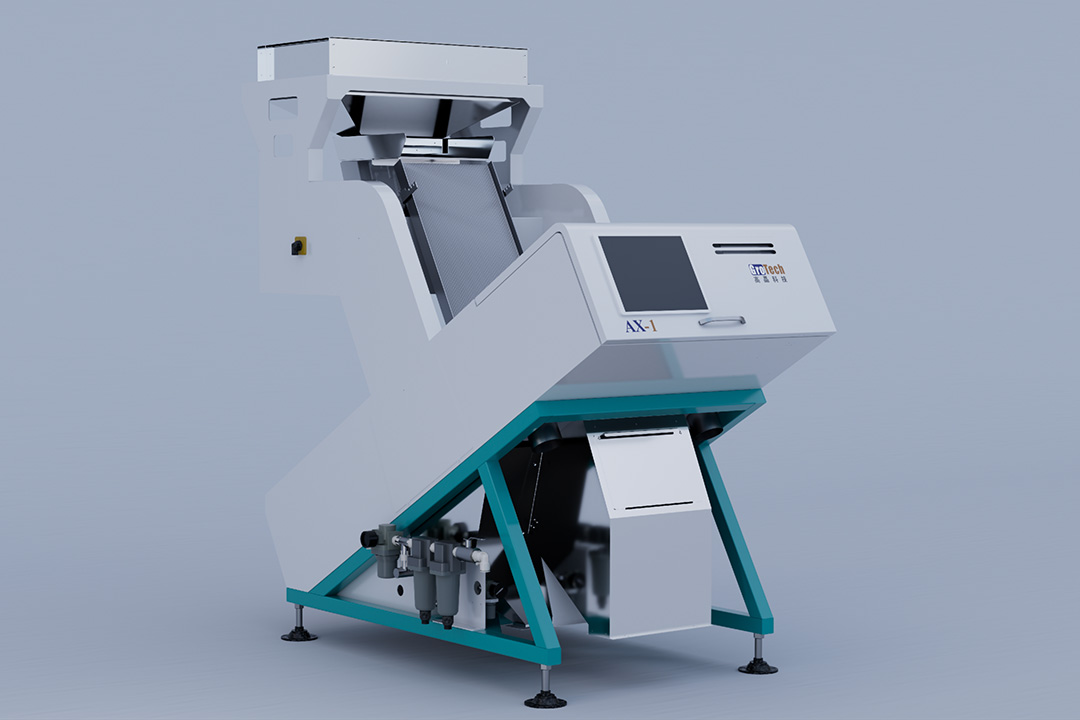
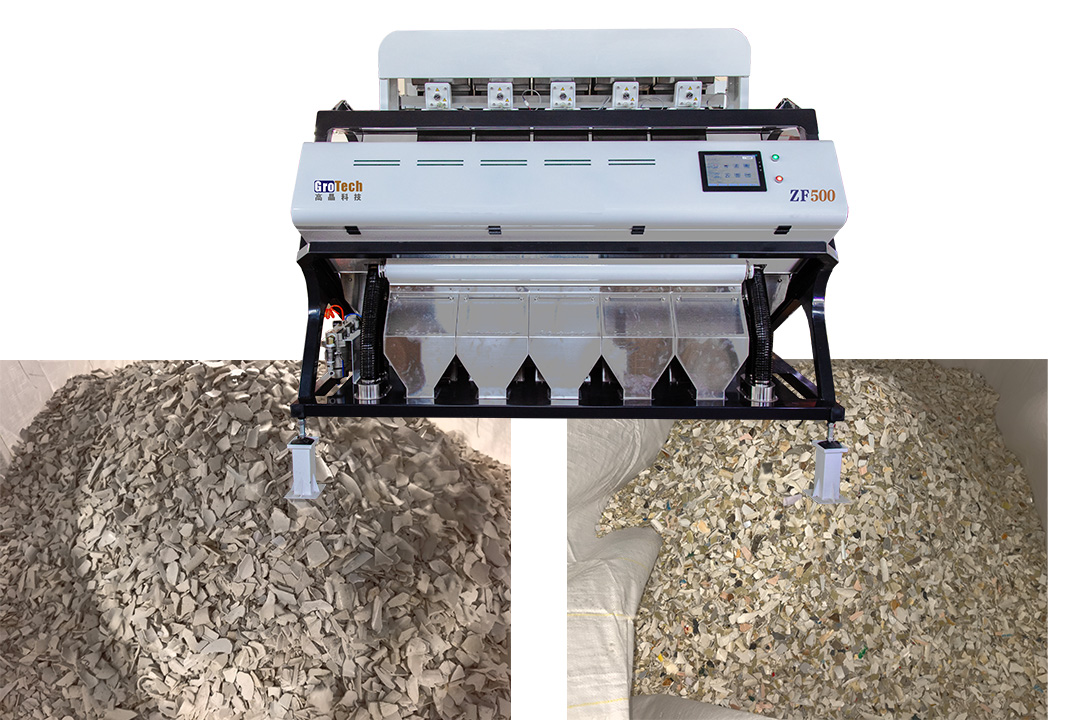
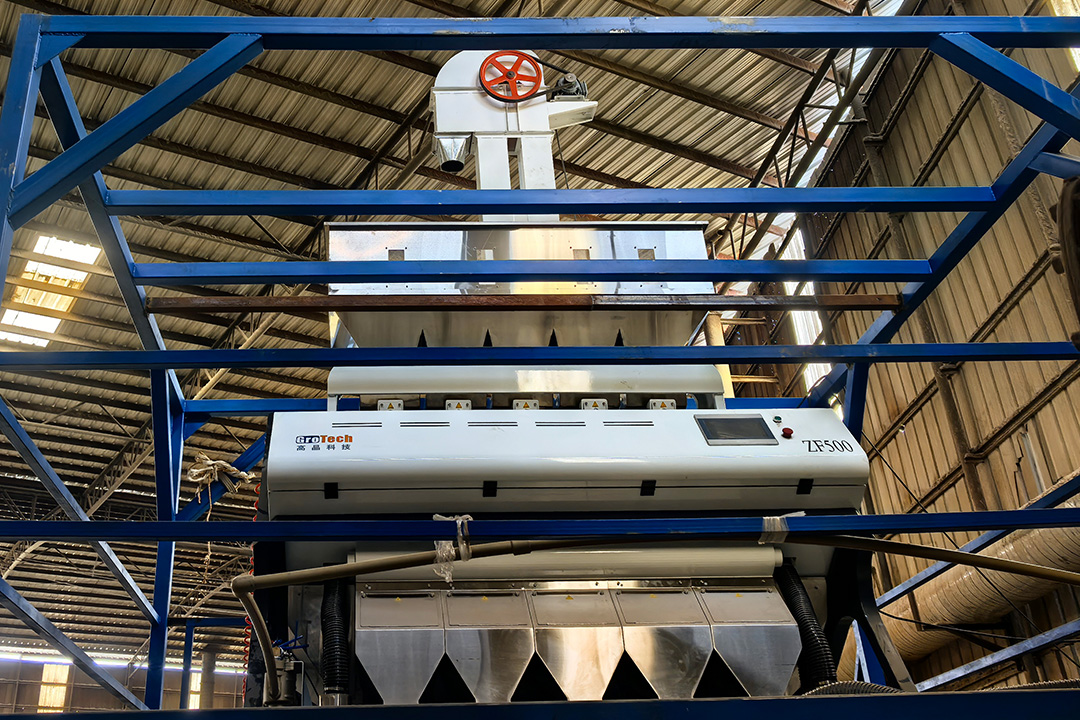
What is a Glass Color Sorter? A glass color sorter is an automated sorting device that utilizes photoelectric recognition technology to identify the color, impurities, and shape of crushed glass. It employs high-speed cameras to capture image data, combined with AI image recognition algorithms and an ejection valve system. This enables the precise removal of glass of different colors or containing impurities, ensuring product purity.
Key Functions and Advantages of Grotech Glass Color Sorters
High-Precision Recognition: Utilizes advanced CCD cameras and AI algorithms to identify various colored glasses (transparent, green, brown, etc.) with an accuracy rate exceeding 99%.
Impurity Removal: Efficiently identifies and removes non-glass impurities like ceramics, metals, plastics, and paper, significantly improving recycled glass quality.
Strong Adaptability: Suitable for processing crushed glass particles ranging from 0.2mm to 50mm in size, meeting diverse process requirements.
Intelligent & Simple Operation: Features a touchscreen control panel and user-friendly interface. Supports one-touch intelligent adjustment and an automatic cleaning system for easy maintenance.
Energy Efficient & High Output: Scientifically designed valve layout, fast air jet response, low energy consumption. Processing capacity ranges from 2 to 10 tons per hour (depending on model).
Wide Range of Applications Glass color sorters are extensively used in:
Waste glass recycling stations
Recycling resource processing plants
Beer bottle and beverage bottle crushing lines
Construction glass and automotive glass recovery systems
Through intelligent sorting, they effectively enhance the purity and economic value of recyclables, reduce labor costs, and lessen the burden on environmental processing.
Driven by carbon neutrality goals and the growth of the circular economy, the plastic recycling industry is entering a new era of transformation. One major challenge stands out: how to sort complex and diverse plastic waste with high precision, efficiency, and intelligence. GroTech, a leading technology company based in Hefei, China, has risen to this challenge with its specialized plastic color sorter, offering a revolutionary solution for plastic recycling enterprises.
Precise Identification for Multiple Materials — Maximizing Purity
GroTech’s plastic color sorter features a self-developed multi-spectral recognition system that can accurately identify and separate common plastic types such as PVC, PET, PP, PE, and ABS. With the integration of high-resolution imaging and AI-based algorithms, the sorter distinguishes not only by color, but also by material and texture — achieving intelligent sorting of same-color-different-material or same-material-different-color particles.
Whether dealing with industrial plastic scraps or post-consumer recyclables, the machine effectively detects and removes impurities, aged materials, and mixed-color particles — ensuring high purity, low loss, and high throughput.
Modular Design — Seamlessly Adapts to Diverse Production Lines
Designed with flexibility in mind, GroTech's sorter adopts a modular architecture, offering multiple channels, configurations, and capacity options. It supports both dry and wet sorting workflows, making it compatible with a wide range of production lines — with plug-and-play integration and minimal modifications required.
Intelligent System — Easy to Operate, Built for Stability
Equipped with an intuitive smart operating system and graphical interface, GroTech’s sorter allows for one-click start/stop, remote control,. Operators can be trained quickly, significantly reducing labor costs and simplifying maintenance.
The machine is built with industrial-grade components, ensuring long-term stable performance even under 24/7 high-intensity operation — making it ideal for plastic pellet factories, recycling centers, and waste sorting stations.
Proven Results Across China — Trusted by Industry Leaders
GroTech’s plastic sorting solutions have been successfully deployed across numerous provinces in China, including Jiangsu, Zhejiang, Guangdong, Sichuan, and Shandong. Clients have reported dramatic improvements in sorting efficiency and product quality, helping them stay competitive in an increasingly demanding market.
Smarter Sorting for a Greener Future
As a leading innovator in optical recognition and intelligent equipment,GroTech is committed to advancing smart sorting technologies through continuous innovation and dedicated service. Looking ahead, the company will continue to empower the plastic recycling industry with more intelligent, efficient, and eco-friendly solutions — helping to build a sustainable future, one sorted particle at a time.
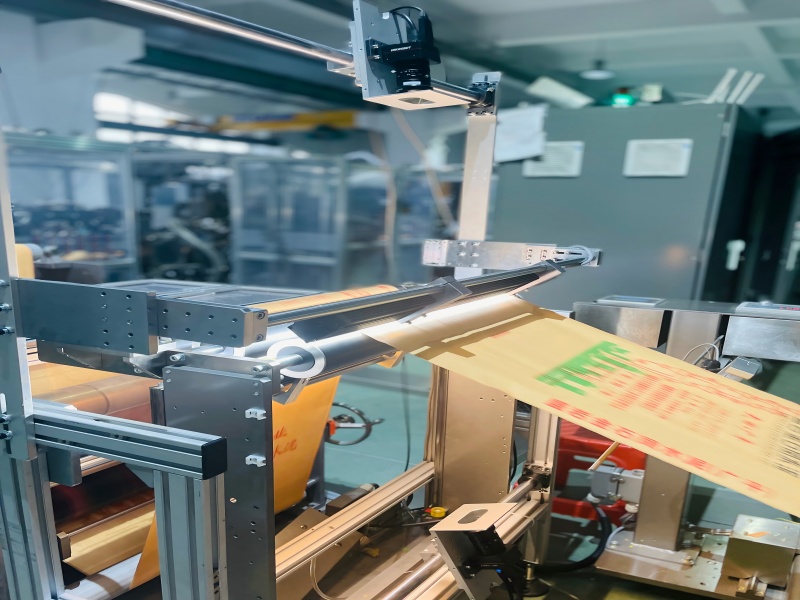
In the plastic woven valve bag production workshop, there used to be the tedious and inefficient manual bag picking - workers stared at the bags on the assembly line day after day, trying to find holes, joints or bottom sticker deviation defects from the fast-moving cloth rolls, but fatigue always led to missed inspections, and high labor costs and unstable product quality became stumbling blocks to the development of enterprises. Today, the emergence of Gachn AI visual inspection system is bringing disruptive changes to this traditional industry with its "eagle eyes and golden eyes" precision and efficiency.
Why must plastic woven valve bag companies embrace AI visual inspection?
The pain points of the traditional production model have long become an industry consensus. Raw material cloth rolls often have problems such as scratches, holes, and deviations of the warp and weft lines. Manual bag picking not only requires 4-5 workers per production line, but also is affected by emotions and fatigue, and the missed inspection rate remains high, resulting in an excessive scrap rate of finished bags. What's more difficult is that the current situation of difficulty in recruiting workers and rising labor costs year by year has put companies in a dilemma of "wanting to expand production but not being able to support workers."
The birth of the Gachn AI visual inspection system is precisely to solve these problems. As the core technological achievement of Gachn Jeenar this system realizes the full process intelligence from raw material detection to finished bag defect recognition through the combination of high-definition cameras and deep learning algorithms.
GachnAI visual inspectionsystem: more than "seeing", more about "understanding"
Understanding ordinary visual equipment,Gachn AI visual inspection system, has real "intelligent judgment" capabilities. It can accurately capture two types of key defects:
Raw material defects: including holes, joints, warp and weft offsets, abnormal scratches, etc. in the cloth roll, blocking the generation of waste from the source;
Bag making process defects: such as skewed corners of finished bags, no bottom stickers, bottom sticker folds, poor overlap, etc., to ensure zero defects in factory products. The "cleverness" of this system lies in its adaptive learning ability. When changing the production version, the equipment can automatically identify the inspection standards of the new specification bags without manual re-adjustment, which does not affect the normal production rhythm at all. The 0.05% rejection rate is far beyond the limit of manual inspection, making product quality stable at a new level.
Real benefits: money is saved and efficiency is improved
The practice of a cement valve bag enterprise in Anhui is the most convincing: after the introduction of the collection system, the number of workers on a single production line was reduced from 5 to 2, saving more than 200,000 yuan in labor costs each year; the reduction in material waste has reduced the cost of raw materials by 15%, and the scrap rate has dropped from 1% to below 0.1%, and the overall benefits have been significantly improved.
These achievements are derived from the four core advantages of the system:
Cost reduction: a single production line reduces 1-2 bag picking workers, and with the technology of single-side lamination and reduced overlap width, the annual cost savings can reach hundreds of thousands;
Efficiency improvement: a stable speed of 120-130 bags/minute, 7×24 hours of continuous operation, so that the production capacity can be easily increased by 30%;
Quality preservation: a scrap rate of less than 0.1% helps the company establish a "high quality" reputation in the fierce competition;
Intelligence: the one-key number change function realizes fast specification switching, and the electric control system with free upgrades within 3 years makes the equipment never outdated.
From detection to management: data-driven production upgrade
The value ofGachn AI visual inspection system is not limited to eliminating waste. The system automatically records all defect data, generates defect classification and proportion reports, and provides enterprises with clear quality improvement directions. For example, when the proportion of "bottom sticker offset" defects increases, managers can quickly trace back to the parameter deviation of the heat sealing process, realizing the transformation from "passive quality inspection" to "active optimization".
This digital management capability allows enterprise decision makers to gain insight into production bottlenecks through data and gradually build a "zero defect" production system. As a customer in Fujian reported: "After installing the system, we can clearly explain the distribution of defect types in each shift for the first time, and process improvement has a clear goal."
Choose GachnAI visual inspectionsystem , choose peace of mind: not only equipment, but also a long-term partner
Gachn provides customers with full life cycle protection: 1-3 days of fast installation cycle does not delay production, on-site training ensures that workers can quickly get started, and the free upgrade of the electronic control system within three years keeps the technology up to date. At present, this set of equipment has been adapted to all imported and domestic plastic woven valve bag bag making machine models, and is running stably on the production lines of customers in Anhui, Jiangxi, Fujian, Guangxi and other places. When AI visual inspection becomes the industry standard, choosing Gachn groupmeans choosing lower costs, higher efficiency and more stable quality. In the wave of intelligent transformation of the plastic woven valve bag industry, early layout can seize the market opportunity early - after all, in the competition where quality and cost determine the outcome, the difference of 0.05% missed inspection rate may be the life and death line between enterprises.
How Fast Can an Air-Cooled Scroll Chiller Cool?Air-cooled scroll chillers have become a go-to choice for commercial and industrial cooling applications thanks to their compact size, low noise, and high efficiency. But when it comes to cooling speed—how fast do they really work? The answer depends on three key factors: Unlocking Cooling Speed: How Air-Cooled Scroll Chillers Deliver Results.
1. Design Matters: Single-Stage vs. Two-Stage Cooling
Cooling speed begins with design. Air-cooled scroll chillers typically come in single-stage or two-stage configurations. Two-stage units naturally offering enhanced cooling efficiency and faster results due to better refrigerant compression dynamics. Moreover, state-of-the-art heat exchangers and optimized refrigerant circulation systems ensure seamless operation. When designed with precision, these systems achieve quicker cooling without compromising energy efficiency, making them ideal for high-demand environments.
2. Intelligent Features for Performance Boost
Modern air-cooled scroll chillers are equipped with smart control panels for precise temperature regulation and automated operations. These features: • Eliminate manual intervention errors • Enhance operational accuracy • Optimize system performance in real-time Many units also feature self-diagnosing capabilities. These systems can detect performance issues early and make automatic adjustments or issue alerts—reducing downtime and maintaining consistently fast cooling even under varying loads.
3. Maintenance: The Overlooked Performance Driver
No matter how advanced a chiller is, routine maintenance is crucial to sustaining its cooling speed. Key maintenance tasks include: • Regular cleaning or replacement of filters to ensure unobstructed airflow. • Periodic refrigerant top-ups or replacement to maintain optimal pressure. • Inspection and cleaning of heat exchanger surfaces to maximize heat transfer efficiency.
A well-maintained chiller operates at peak performance, delivering fast and reliable cooling over the long term. Neglecting these tasks, however, can lead to reduced efficiency and slower response times.
Conclusion: Precision Is the Key to Cooling Speed
The cooling speed of an air-cooled scroll chiller isn’t just about compressor power—it's the result of intelligent design, smart functionality, and responsible maintenance.
For businesses aiming to enhance their cooling systems, investing in a well-designed, feature-rich chiller and maintaining it properly can unlock faster cooling, greater energy efficiency, and long-term reliability. It’s not just about staying cool—it’s about staying ahead.